At a Glance:
ADVATx and IPL are both light-based treatments used for redness and pigmentation, but there is no universal “better” option. The right choice depends on your specific skin concern, sensitivity level, budget, and treatment goals.
Results are influenced more by proper assessment and treatment planning than by device name alone. If you are in North Vancouver and considering IPL, a consultation at Celebrity Laser & Skin Care can help determine the most appropriate option for your skin.
ADVATx Laser and IPL (Intense Pulsed Light) are both light-based technologies used to address concerns such as redness, pigmentation, acne, and uneven skin tone. While they are often compared, they are not the same type of device and do not deliver energy in the same way.
ADVATx is a dual-wavelength laser system, whereas IPL uses broad-spectrum light filtered to target specific skin concerns. Because their mechanisms differ, the most appropriate option depends on your skin condition, sensitivity, treatment goals, and medical history.
At Celebrity Laser & Skincare Clinic in North Vancouver, we offer LimeLight IPL as part of our skin rejuvenation services and regularly help patients compare IPL with other technologies such as ADVATx during consultation.
In this blog, we will explain how ADVATx and IPL work, compare their safety and downtime profiles, and clarify which may be more suitable for different skin concerns so you can make an informed decision during consultation.
ADVATx vs IPL: Side-by-Side Comparison
Although both ADVATx and IPL are used for skin rejuvenation, they differ in technology, energy delivery, and treatment experience. The comparison below outlines key distinctions in a neutral, clinical framework.
| Feature | ADVATx Laser | IPL (Intense Pulsed Light) |
| Technology Type | Dual-Wavelength Laser | Broad-Spectrum Filtered Light |
| Light Source | 589 nm + 1319 nm Wavelengths | Multiple Wavelengths (500–1200 nm Range) |
| Precision Level | Targeted Single Wavelengths | Adjustable Filtered Spectrum |
| Downtime Profile | Typically Minimal | Typically Minimal |
| Sensation During Treatment | Mild Warmth | Mild Snapping or Warmth |
| Number of Sessions Required | Series Recommended | Series Recommended |
| Common Skin Concerns Treated | Redness, Rosacea, Acne, Pigmentation | Redness, Sun Damage, Pigmentation, Vascular Lesions |
| Suitable Skin Types | Requires Clinical Assessment | Requires Clinical Assessment |
| Cost Range | Generally Positioned as Premium Laser | Varies by Device and Provider |
Technology Type
ADVATx is a laser system that emits two specific wavelengths. Each wavelength is designed to target particular chromophores in the skin.
IPL, by contrast, emits broad-spectrum light. Filters are applied to isolate portions of that spectrum depending on the condition being treated. This makes IPL adaptable to a variety of concerns.
Precision and Targeting
Because ADVATx uses fixed wavelengths, it delivers focused energy at specific absorption peaks. IPL uses adjustable filters to tailor the light spectrum to vascular or pigmented targets.
Both technologies rely on selective absorption of light energy, but they differ in how that energy is generated and controlled.
Downtime and Treatment Experience
Both treatments are generally considered to have minimal downtime when performed appropriately. Patients may experience temporary redness or mild swelling.
Comfort levels depend on device settings, treated area, and individual sensitivity. Neither treatment is typically associated with extended recovery in most cases.
Treatment Goals
ADVATx is often discussed in the context of redness and vascular conditions, while IPL has a long history of use for pigmentation, sun damage, and vascular lesions.
Determining which approach may be more appropriate depends on the specific skin concern, skin type, and treatment plan discussed during consultation.
What is ADVATx laser treatment?
ADVATx is a dual-wavelength laser system designed to target vascular and inflammatory skin concerns. Unlike broad-spectrum light devices, it emits two specific wavelengths, typically 589 nm and 1319 nm, each interacting with different structures in the skin.
Dual-Wavelength Technology
The 589 nm wavelength primarily targets hemoglobin, making it relevant for vascular concerns such as redness and visible blood vessels. The 1319 nm wavelength penetrates deeper into the dermis and is associated with collagen stimulation and dermal remodelling.
Because these wavelengths are fixed and precise, the device delivers energy at specific absorption peaks rather than using filtered broadband light.
Mechanism of Action
Like other light-based treatments, ADVATx operates on the principle of selective photothermolysis. Light energy is absorbed by targeted chromophores such as hemoglobin and converted into heat. That controlled heat affects the targeted structure while minimizing impact on surrounding tissue when used appropriately.
In vascular conditions, absorbed energy coagulates or collapses small blood vessels. In dermal treatments, thermal stimulation can encourage collagen activity over time.
Depth of Penetration
The shorter wavelength (589 nm) remains more superficial and is used for visible redness and capillaries. The longer wavelength (1319 nm) penetrates deeper, supporting dermal stimulation.
This dual-layer targeting is one reason ADVATx is often described as a multi-level laser system.
Treatment Experience and Cooling
ADVATx incorporates contact cooling to protect the epidermis and improve comfort. Most patients describe the sensation as warmth or mild heat during treatment.
Downtime is typically minimal, though response varies depending on skin condition and settings used.
While it is frequently discussed on social media, suitability for treatment still depends on individual skin characteristics and professional evaluation rather than trend status.

What is IPL (Intense Pulsed Light)?
IPL, or Intense Pulsed Light, is a light-based treatment that uses broad-spectrum light rather than a single laser wavelength. Instead of emitting one focused beam, IPL delivers multiple wavelengths within a defined range. Filters are then applied to isolate portions of that spectrum based on the skin concern being treated.
How IPL Works
IPL operates using broad-spectrum light, typically within the 500–1200 nm range. Before treatment, a specific filter is selected. That filter determines which wavelengths reach the skin, allowing the provider to target either pigment, vascular structures, or both.
When light energy is delivered to the skin, it is absorbed by chromophores such as:
- Melanin (for pigmentation)
- Hemoglobin (for redness and visible vessels)
The absorbed light converts to heat, which selectively affects the targeted structure. This process is based on the principle of selective photothermolysis.
Broad-Spectrum Light and Filters
Unlike laser systems with fixed wavelengths, IPL devices offer flexibility through interchangeable filters. This adaptability allows the same platform to address multiple concerns, including:
- Sun damage
- Uneven pigmentation
- Broken capillaries
- Rosacea
- Certain acne-related inflammation
Treatment settings are adjusted based on skin type, condition, and tolerance.
Why IPL Has Been Widely Used for Years
IPL has been used in dermatology and aesthetic medicine for decades. Its versatility, combined with advancements in device engineering, has contributed to its continued presence in clinical practice.
Modern IPL systems differ from earlier versions in several ways:
- Improved cooling mechanisms
- More precise pulse control
- Better filter technology
- Enhanced safety profiles
As with any light-based treatment, results depend significantly on proper settings and provider experience.
Is IPL outdated?
A common misconception is that IPL is outdated because newer laser systems are marketed as advanced technologies. In reality, modern IPL devices continue to evolve and remain widely used for vascular and pigment concerns.
The effectiveness of IPL depends less on whether it is “new” and more on:
- Device quality
- Proper patient selection
- Skilled parameter adjustment
- Realistic treatment planning
Keep Reading: The history of IPL
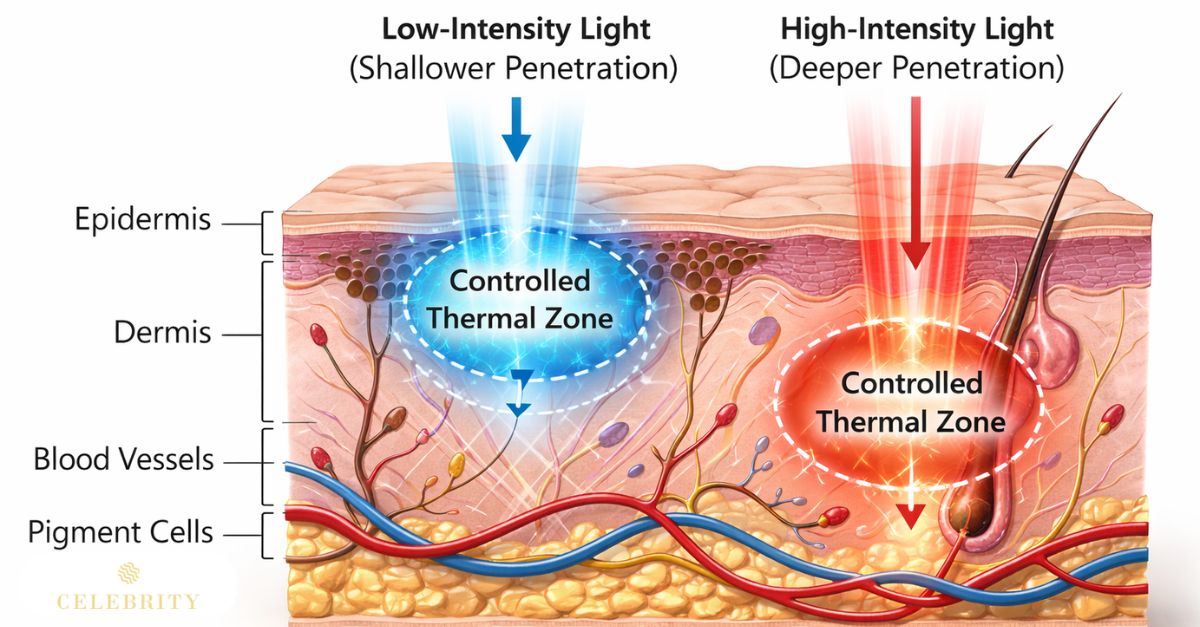
How ADVATx and IPL Actually Work on the Skin
Both ADVATx and IPL use controlled light energy to create targeted thermal effects within the skin. The outcome depends on which structures absorb that energy and how the tissue responds afterward.
When light is absorbed by specific molecules in the skin, heat is generated. That heat produces a controlled biological response that the body gradually processes.
How They Address Redness
Redness is typically related to superficial blood vessels. When light energy is absorbed by hemoglobin, localized heat affects those vessels. The body then naturally clears or reduces the visibility of the treated vessels over time.
The degree of response depends on vessel size, depth, and skin sensitivity rather than the device name alone.
How They Address Pigmentation
Pigmented spots contain concentrated melanin. When light energy interacts with melanin, it produces thermal fragmentation of pigment clusters.
Following treatment, the body gradually eliminates the disrupted pigment. In some cases, pigment may temporarily darken before fading.
Depth and density of pigment influence the treatment response.
How They Address Acne-Related Concerns
Inflammatory acne involves increased vascular activity and sebaceous gland stimulation. Light-based treatments can reduce visible redness associated with inflammation and may influence oil gland activity depending on the parameters used.
For post-acne marks, improvement is typically related to pigment clearance or gradual skin remodelling rather than immediate structural change.
How They Support Skin Renewal
Controlled thermal stimulation within the dermis can activate fibroblasts. Over time, this may support collagen production and lead to a gradual improvement in skin texture.
These regenerative changes occur progressively and depend on individual healing response and treatment settings.
Which is better for specific skin concerns?
Treatment selection should be guided by the dominant concern and how that concern responds to light-based energy, rather than by device branding alone.
Both wavelength-specific lasers and modern IPL systems operate on the principle of selective photothermolysis, meaning light energy is absorbed by specific chromophores such as hemoglobin (redness) or melanin (pigment) and converted into controlled heat.
The following outlines how different concerns are typically evaluated in clinical practice.
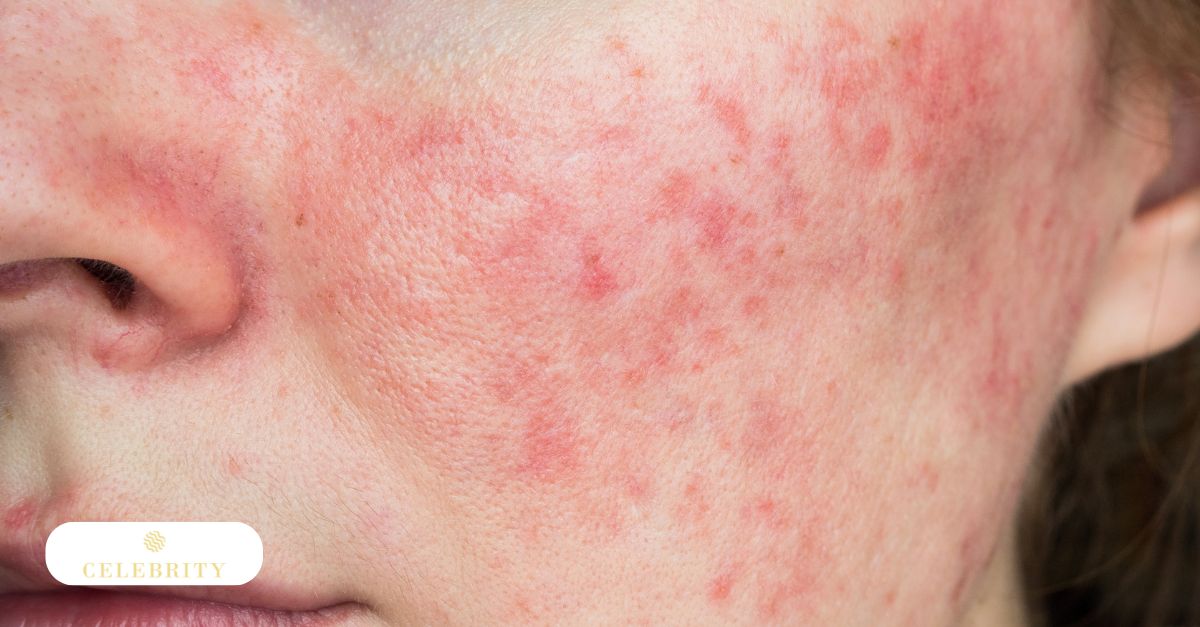
For Rosacea
Rosacea is primarily a vascular condition characterized by persistent background redness and visible superficial blood vessels. Effective rosacea treatments focus on reducing vascular visibility and calming inflammatory triggers rather than simply improving surface tone.
Wavelengths in the 585–595 nm range correspond with hemoglobin absorption peaks, which is why vascular-targeted laser systems are often evaluated when clearly defined capillaries are present.
Modern IPL devices, when configured with appropriate vascular filters, are commonly used for diffuse redness across broader facial areas. IPL’s adjustable spectrum allows coverage of widespread erythema, particularly when redness is associated with sun exposure or mild vascular dilation.
In clinical practice, stable background redness may respond well to either technology when parameters are selected carefully. Active or highly reactive rosacea requires conservative energy settings regardless of device type, along with a structured treatment plan tailored to flare history and skin sensitivity.
For Acne
Active inflammatory acne involves increased vascular activity, sebaceous gland stimulation, and bacterial proliferation within the pores. Light-based acne treatment approaches may help reduce visible redness associated with inflammation and, depending on wavelength and settings, influence sebaceous activity through controlled thermal effects.
Post-acne discolouration, including red (post-inflammatory erythema) or brown (post-inflammatory hyperpigmentation) marks, is typically addressed using vascular- or pigment-targeted settings. IPL’s broader spectrum allows treatment of both vascular and pigmented components within the same session, while specific laser wavelengths may be selected when targeted vessel treatment or deeper dermal stimulation is indicated.
The appropriate approach depends on whether the primary goal is calming active inflammation, reducing residual redness, improving pigment irregularities, or supporting gradual dermal remodelling. Treatment planning should be based on the dominant concern rather than the technology name alone.
For Sun Damage
Sun damage commonly presents as scattered hyperpigmentation and uneven tone across larger treatment areas.
Broad-spectrum IPL has a long clinical history in treating diffuse photodamage because filters can be selected to target melanin while covering broad surface areas efficiently. This makes IPL frequently considered for generalized sun-related pigmentation.
Laser systems with fixed wavelengths may be evaluated when pigment is localized or when combined vascular and dermal stimulation is part of the treatment plan.
Distribution and depth of pigmentation ultimately influence the selection.
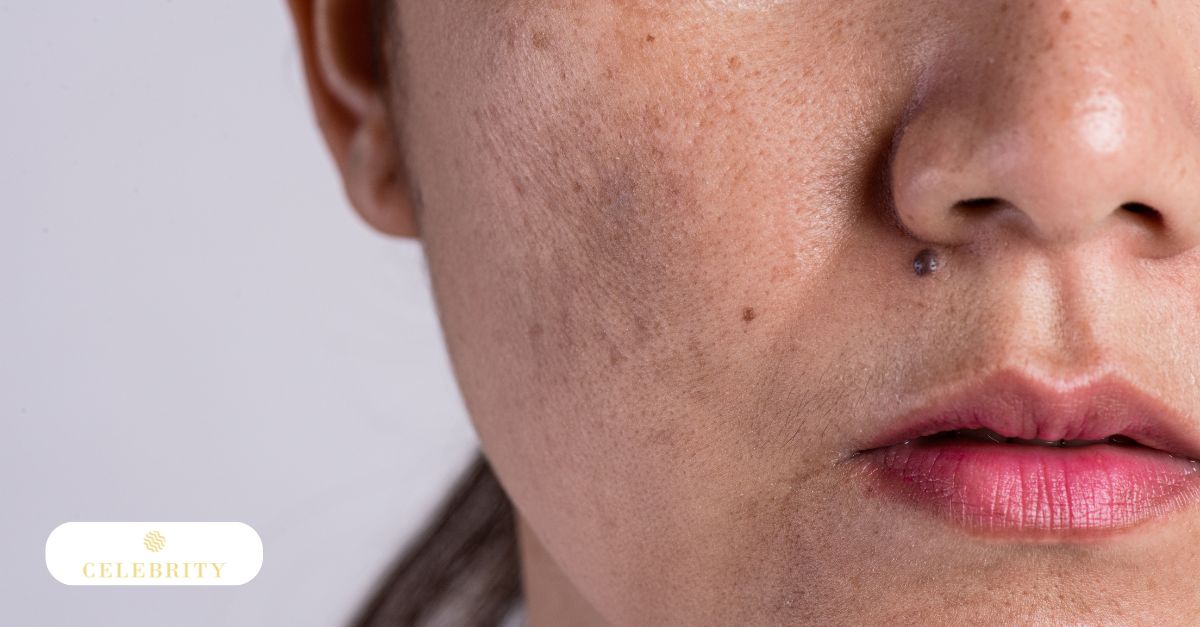
For Melasma
Melasma is heat-sensitive and can worsen with excessive thermal stimulation. Because both IPL and laser systems rely on light-to-heat conversion, caution is essential.
In many cases, conservative management and topical therapy are prioritized before light-based intervention. When devices are used, lower energy settings and careful patient selection are critical.
There is no universally superior device for melasma. Outcomes depend heavily on diagnosis accuracy, parameter selection, and post-treatment care.
For Sensitive Skin
Sensitive skin does not automatically exclude light-based treatments. However, barrier integrity, reactivity history, and Fitzpatrick skin type must be assessed carefully.
Both IPL and wavelength-specific laser systems can be adjusted conservatively. Cooling systems, pulse duration, and energy levels influence tolerance more than device branding.
Clinical assessment determines suitability and safe parameter selection.
Key Takeaway
There is no universal winner for all skin concerns.
- Clearly defined superficial vessels may be evaluated for vascular-targeted wavelengths.
- Diffuse redness and broad photodamage are commonly addressed with modern IPL.
- Pigment depth, distribution, and skin sensitivity influence planning more than technology trends.
For individuals in North Vancouver comparing ADVATx and IPL, an in-person consultation allows for evaluation of skin type, concern severity, and treatment history before selecting the most appropriate option.
Safety Comparison: Is ADVATx safer than IPL for different skin types?
When comparing safety, it is not accurate to label one device universally safer than the other. Risk profile depends on patient selection, skin type, treatment parameters, and provider expertise.
Common Side Effects
Both technologies may cause temporary effects such as:
- Mild redness
- Slight swelling
- Warmth in the treated area
These reactions are typically short-lived when treatments are performed appropriately.
Rare Risks
Although uncommon, potential risks with light-based treatments can include:
- Temporary hyperpigmentation or hypopigmentation
- Blistering if energy settings are excessive
- Prolonged redness in reactive skin
Risk increases when incorrect parameters are used or when post-treatment care is not followed.

Fitzpatrick Skin Type Considerations
Darker skin types contain higher melanin levels, which absorb light energy more readily. This increases the importance of cautious energy selection and proper wavelength choice.
Certain devices may offer more controlled targeting for specific chromophores, while others rely on filtered spectrum adjustments. Skin type alone does not determine suitability; evaluation is necessary before treatment.
Who Should Avoid Light-Based Treatments
Light-based treatments may not be appropriate for individuals with:
- Active skin infections
- Certain photosensitive conditions
- Recent use of medications that increase light sensitivity
- Uncontrolled inflammatory skin disorders
A full medical review should be completed prior to treatment.
The Role of Provider Expertise
Device type is only one part of safety. Parameter selection, pulse duration, cooling methods, and patient assessment are critical factors in minimizing risk.
At our North Vancouver clinic, IPL treatments are performed following consultation and skin evaluation to determine candidacy and appropriate settings for each individual.
Comfort, Downtime, and Number of Sessions
Beyond technical differences, patients often want to know how treatment will feel and how it fits into daily life.
Treatment Sensation
Light-based procedures typically produce a brief heat sensation as energy is delivered to the skin. Some describe it as a quick snapping feeling; others experience mild warmth.
Comfort varies depending on treatment intensity, treated area, and individual sensitivity. Cooling systems are commonly used to improve tolerance.
Recovery Expectations
Most individuals resume normal activities shortly after treatment. Temporary flushing may occur, but typically resolves without extended interruption to routine.
Visible surface peeling is uncommon. Makeup can usually be applied once initial sensitivity decreases.
Treatment Frequency
Light-based skin rejuvenation is generally performed in a series rather than as a single session. The number of sessions depends on the type and extent of the concern being addressed.
Spacing between treatments allows the skin to respond and stabilize before the next session.
Timeline for Noticeable Change
Response time varies by concern. Vascular changes and pigment adjustments may become noticeable after the skin completes its natural clearing process.
Long-term management may include periodic maintenance depending on lifestyle factors such as sun exposure.

Cost Comparison in North Vancouver: Is ADVATx more expensive than IPL?
When comparing ADVATx and IPL, cost differences are typically related to device technology, clinical setting, and treatment planning rather than the name of the platform alone. In North Vancouver, light-based treatments are commonly priced per session, though the structure may vary between clinics.
Advanced laser platforms are often positioned at a higher per-session rate compared to traditional IPL systems due to equipment design and operational costs. However, per-session pricing does not reflect the total investment.
Understanding Total Treatment Cost
The overall financial commitment depends on the treatment plan’s structure. Factors that influence total cost include:
- Number of sessions recommended
- Size of the treatment area
- Whether multiple concerns are addressed in the same visit
- Future maintenance sessions
Some patients may require fewer sessions with one technology, while others may benefit from a longer treatment series. Total cost is therefore individualized.
What influences pricing differences?
Treatment pricing is shaped by several practical considerations. These include the clinic’s equipment investment, provider training level, session duration, and treatment customization. Devices that allow for multiple wavelength adjustments or advanced energy delivery systems may carry higher operational costs.
Considering Long-Term Value
Evaluating cost should also include long-term planning. Maintenance treatments, durability of results, and overall skin improvement contribute to perceived value over time. A lower upfront fee does not always translate into lower cumulative cost.
Who should choose ADVATx?
ADVATx is generally considered in discussions about wavelength-specific laser treatments.
Patients who may be evaluated for this type of platform include:
- Individuals with persistent background redness
- Those with visible capillaries requiring targeted treatment
- Patients managing combined vascular and pigment concerns
- Individuals seeking laser-based technology rather than broadband light
Because energy delivery characteristics differ between devices, candidacy depends on individual skin assessment and treatment goals. Device selection should be based on diagnosis rather than preference alone.
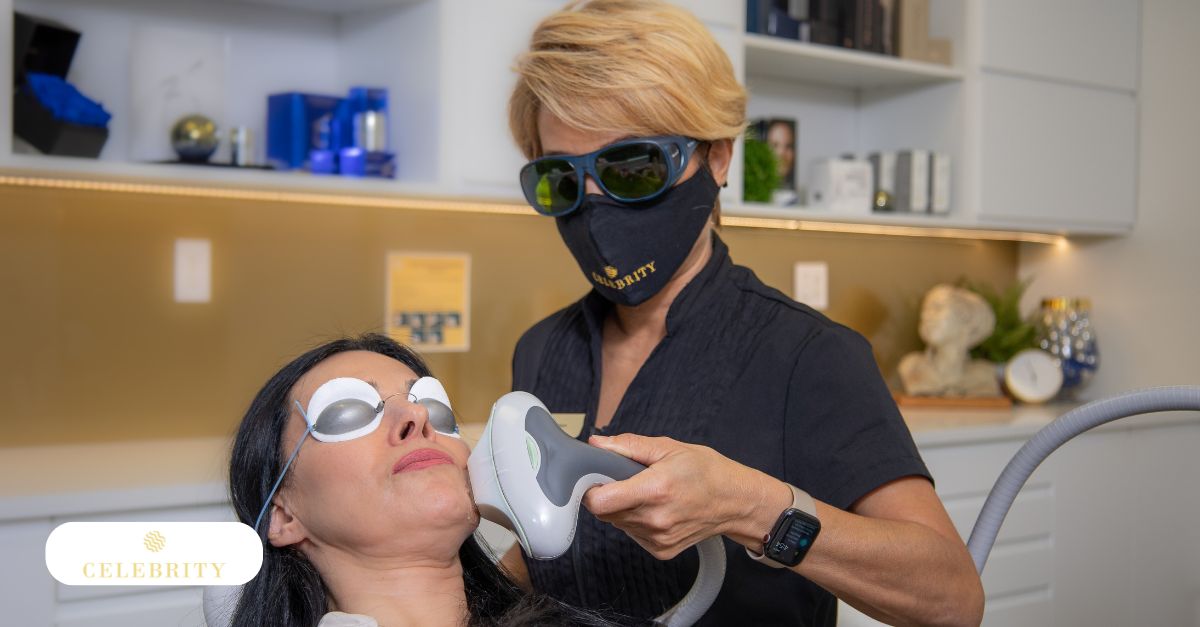
Who is a good candidate for IPL?
IPL may be appropriate for individuals seeking gradual improvement in overall skin tone irregularities.
Common profiles include:
- Patients with sun-related discolouration
- Individuals with mild to moderate diffuse redness
- Those looking for non-ablative treatment options with minimal interruption to routine
IPL is typically suited for patients who understand that improvement develops over a series of sessions rather than immediately.
Treatment suitability is determined by evaluating overall skin condition, medical history, and intended outcome.
At Celebrity Laser & Skin Care in North Vancouver, LimeLight IPL is performed after an individualized assessment to ensure alignment between the patient’s goals and the capabilities of the technology.
Why Many Clinics Still Offer IPL Instead of ADVATx
Despite newer laser platforms entering the market, IPL remains widely used in clinical practice for several practical reasons.
First, technology investment differs significantly between platforms. Advanced dual-wavelength laser systems often require higher acquisition and maintenance costs. IPL systems, having been in use for many years, are more broadly available and financially accessible for clinics.
Second, IPL is versatile. With adjustable filters and pulse settings, it can address multiple concerns, including pigment irregularities and diffuse redness, using a single platform. This flexibility allows providers to adapt treatment parameters based on individual presentation.
Intense Pulsed Light (IPL) has a long history in aesthetic dermatology, with established treatment protocols that practitioners are familiar with. The effectiveness of IPL treatments largely depends on the provider’s skill rather than just the device brand.
Key factors like assessment, energy selection, and patient choice are essential for safety and results. Therefore, many clinics continue to use IPL as a reliable and versatile option within structured treatment plans.
Final Verdict: ADVATx or IPL?
There is no universal winner between ADVATx and IPL. Each platform has strengths, and the appropriate choice depends on individual factors rather than device branding. ADVATx is not inherently superior to IPL; each technology has advantages depending on the condition being treated.
The most suitable option is influenced by:
- The specific skin condition being treated
- Budget considerations and overall treatment planning
- Skin sensitivity
- Desired outcomes and timeline
Technology alone does not determine results. Accurate diagnosis, appropriate energy selection, and structured treatment planning are central to safety and effectiveness.
For individuals in North Vancouver comparing ADVATx and IPL, the next step is a professional evaluation. A consultation allows for a detailed skin assessment and the development of a customized treatment plan based on your specific concerns.
To determine whether IPL is appropriate for your skin, schedule a consultation at Celebrity Laser & Skin Care in North Vancouver.