At a Glance:
Some skincare treatments can be appropriate during pregnancy when they’re gentle, customized, and professionally guided. Choosing pregnancy-aware care helps support skin health while avoiding unnecessary irritation or risk.
Pregnancy often brings noticeable changes to the skin. Hormonal shifts can lead to increased sensitivity, dryness, breakouts, or pigmentation concerns, even in individuals who previously had stable skin. As these changes appear, many expectant mothers begin to reconsider their skincare routines and professional treatments.
A common question during this time is whether facials are safe during pregnancy. In general, certain types of facials can be appropriate while pregnant, provided they are carefully selected and adapted to the body’s changing needs. Safety depends on factors such as the products used, the techniques involved, and the individual’s skin condition at each stage of pregnancy.
With proper precautions and professional guidance, skincare during pregnancy can remain both supportive and cautious, focused on comfort, skin health, and overall well-being rather than aggressive correction.
Can you get a facial while pregnant?
In many cases, facials can be safely performed during pregnancy, as long as appropriate precautions are taken. Pregnancy does not automatically rule out professional skincare treatments, but it does require a more thoughtful and selective approach.
The safety of a facial during pregnancy depends on several factors, including the type of facial, the products and ingredients used, and any existing skin conditions or sensitivities that may be influenced by hormonal changes. Skin that was previously tolerant may react differently during pregnancy, making gentle methods and conservative product choices especially important.
A qualified facialist should always tailor the treatment to the individual, taking pregnancy-related concerns into account. This includes adjusting product formulations, avoiding unnecessary stimulation, and focusing on comfort, hydration, and skin barrier support rather than intensive corrective techniques. When treatments are customized in this way, facials can remain a supportive part of skincare during pregnancy.
What types of facials are best during pregnancy?
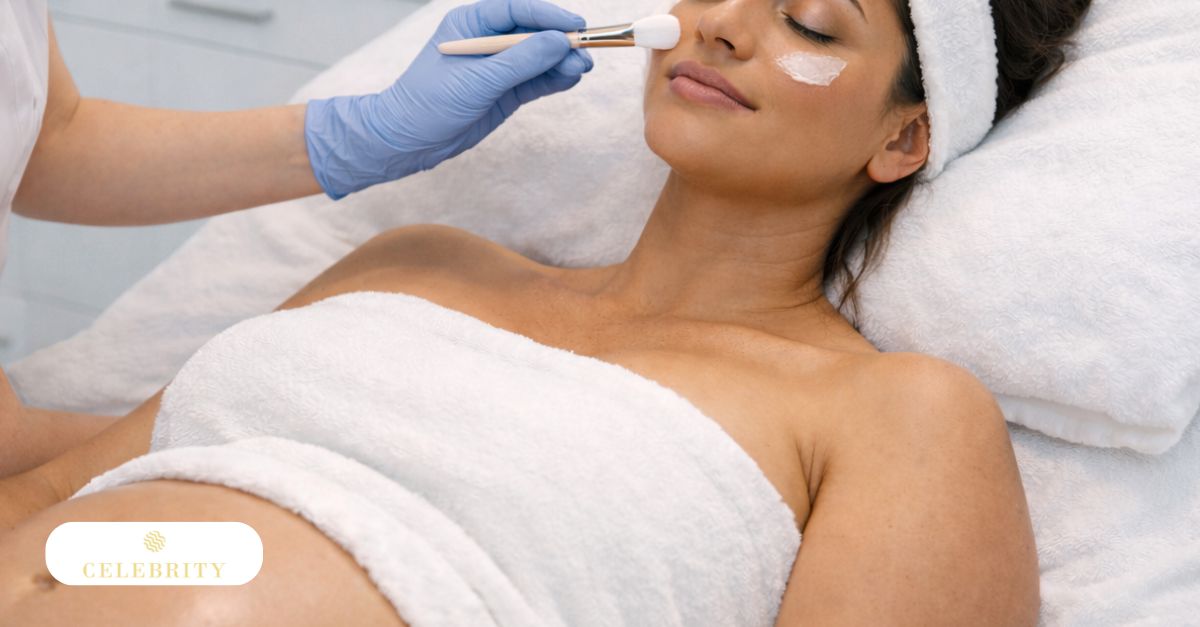
During pregnancy, the most suitable facials prioritize hydration, skin barrier support, and gentle care. As hormonal changes can make the skin more reactive, treatments should be non-invasive and focused on maintaining skin comfort rather than aggressive correction.
Hydrating and soothing facials are commonly recommended for pregnant clients, as they help address dryness, sensitivity, and uneven texture without placing unnecessary stress on the skin.
HydraFacial, when adapted appropriately, is often considered a suitable option because it emphasizes cleansing, hydration, and nourishment using controlled, non-abrasive techniques. The treatment can be adjusted to exclude ingredients or steps that may not be appropriate during pregnancy.
In general, facials that rely on calming ingredients, minimal stimulation, and conservative protocols are preferred. Treatments designed to support the skin’s natural balance rather than trigger inflammation or rapid cell turnover tend to align best with the needs of pregnant skin.
As always, professional assessment and customization remain essential to ensure the facial is appropriate for each individual and each stage of pregnancy.

Facial Treatments to Avoid During Pregnancy
During pregnancy, some facial treatments are generally avoided because they may increase the risk of skin irritation, heightened sensitivity, or exposure to ingredients not recommended during pregnancy. Hormonal changes can alter how the skin reacts, making once-tolerated treatments unpredictable.
Facial treatments that are commonly approached with caution or postponed include:
- Deep chemical exfoliation treatments: Strong acids or intensive exfoliation can compromise the skin barrier and trigger irritation or inflammation.
- Facials using harsh or highly active ingredients: Ingredients commonly avoided during pregnancy may increase the risk of skin reactions or systemic absorption.
- Energy-based or heat-stimulating facial treatments: Procedures that generate heat or intense stimulation may be uncomfortable and are often deferred as a precaution.
- Aggressive acne or pigmentation-focused facials: Treatments designed to rapidly correct breakouts or discoloration may be too strong for hormonally sensitive skin.
- Facials involving excessive pressure or prolonged treatment time: These may increase discomfort, redness, or swelling, particularly as pregnancy progresses.
Because pregnancy skin can change quickly, treatments that prioritize intensity over gentleness are typically postponed. A professional assessment helps determine which options should be avoided and when it may be appropriate to resume them after pregnancy.
What ingredients should be avoided during pregnancy?
During pregnancy, certain skincare ingredients commonly used in professional facials are generally avoided as a precaution. Hormonal changes can increase skin sensitivity, and some ingredients are not recommended due to their potential for irritation or systemic absorption.
Common ingredients that are typically avoided during pregnancy include:
Retinoids (Vitamin A Derivatives)
Often used for anti-aging or acne, these ingredients are widely avoided during pregnancy due to safety concerns.
Salicylic Acid (High Concentrations)
While low levels in some over-the-counter products may be considered acceptable, stronger professional formulations are usually avoided.
Hydroquinone
Commonly used for pigmentation correction, this ingredient is typically excluded from pregnancy skincare protocols.
Benzoyl Peroxide
Frequently used in acne treatments, it may be avoided in professional facials due to potential skin sensitivity during pregnancy.
Strong Chemical Exfoliants
High-strength acids can compromise the skin barrier and increase irritation in hormonally sensitive skin.
In addition to ingredients, certain treatment types are often postponed during pregnancy:
- Chemical peels: These rely on active acids that exfoliate deeply and may irritate sensitive pregnancy skin.
- Laser-based facial treatments: Often deferred during pregnancy as a precaution, particularly when the treatment is cosmetic rather than medically necessary.
Ingredient Safety Overview During Pregnancy
| Ingredient / Treatment Type | Common Use in Facials | Pregnancy Consideration |
| Retinoids | Anti-Aging, Acne | Avoid during Pregnancy |
| Salicylic Acid (Strong) | Exfoliation, Acne | Generally Avoided |
| Hydroquinone | Pigmentation | Avoid during Pregnancy |
| Benzoyl Peroxide | Acne Control | Often Avoided in Professional Treatments |
| Chemical Peels | Resurfacing | Typically Postponed |
| Laser Facial Treatments | Skin Correction | Usually Deferred as a Precaution |
Conservative, pregnancy-aware formulations help support skin health while minimizing unnecessary risk.
Benefits of Facials During Pregnancy
When carefully selected and professionally adapted, facials can offer several supportive benefits during pregnancy. As hormonal changes affect the skin’s balance, gentle treatments may help maintain comfort and overall skin health without unnecessary stress.
Potential benefits of appropriate facials during pregnancy include:
- Relaxation and stress relief: Pregnancy can be physically and emotionally demanding. A calm, gentle facial experience may help promote relaxation and overall well-being.
- Support for hydration and skin comfort: Many pregnant individuals experience dryness or tightness. Hydrating-focused facials can help reinforce the skin barrier and improve comfort.
- Improved skin clarity: Hormonal fluctuations may contribute to breakouts or uneven texture. Gentle cleansing and soothing treatments can help support clearer-looking skin without aggressive intervention.
- Enhanced circulation to the skin: Mild massage techniques, when used appropriately, may help improve circulation and support a healthy skin appearance.
While not all facials are suitable during pregnancy, the right treatment chosen with care and customized to the individual can provide meaningful relief from common pregnancy-related skin concerns.

Can you get a facial during each trimester?
Pregnancy affects the body and the skin differently at each stage. As a result, the suitability and comfort of facials can vary by trimester. Understanding these differences helps ensure treatments remain cautious and supportive throughout pregnancy.
First Trimester
The first trimester is often marked by heightened sensitivity, hormonal fluctuations, and physical discomfort, such as nausea or fatigue. During this stage, the skin may react unpredictably, even to gentle products.
Some individuals may prefer to postpone facials during the first trimester due to:
- Increased skin sensitivity or irritation
- Morning sickness or difficulty lying flat
- Rapid skin changes, including sudden breakouts or dryness
If a facial is considered during this time, it is typically kept very gentle, with minimal products and no active ingredients.
Second Trimester
The second trimester is commonly regarded as the most comfortable time for facials during pregnancy. For many, nausea has eased, energy levels improve, and the skin becomes more stable.
During this stage:
- The body is generally more comfortable during treatments
- Skin concerns, such as dryness or mild breakouts, can be addressed conservatively
- Gentle, hydrating facials are often well tolerated
With proper customization, facials during the second trimester can be both comfortable and supportive of skin health.
Third Trimester
In the third trimester, physical comfort becomes the primary consideration. Swelling, sensitivity, and difficulty lying in one position for extended periods are more common.
When considering a facial during this stage:
- Treatment duration may need to be shortened
- Positioning should prioritize comfort and circulation
- Very gentle techniques are preferred to avoid irritation or overheating
While facials can still be appropriate late in pregnancy, careful adjustments ensure the experience remains comfortable and aligned with the body’s changing needs.

Expert Advice on Skincare During Pregnancy
Skincare during pregnancy benefits from a thoughtful, simplified approach. Whether choosing professional facials or maintaining an at-home routine, the focus should remain on supporting skin health while minimizing unnecessary exposure or irritation.
Key guidance often includes:
Keep skincare routines gentle
Pregnancy is not the ideal time for experimentation. Mild cleansers, minimal exfoliation, and fragrance-free formulations help reduce the risk of irritation.
Choose pregnancy-aware and skin-friendly products
Products formulated without commonly avoided ingredients are generally preferred. Simple, well-tolerated formulations can be effective without overwhelming sensitive skin.
Prioritize hydration and sun protection
Hormonal changes can contribute to dryness and pigmentation. Consistent hydration supports the skin barrier, while daily sun protection helps manage uneven tone and sensitivity.
Balance professional care with at-home maintenance
Professional treatments, when appropriate, can complement a conservative home routine. At the same time, consistent daily care plays a key role in maintaining results.
Seek regular professional guidance
Skin can change quickly throughout pregnancy. Periodic check-ins with a skincare professional allow treatments and routines to be adjusted as needed, ensuring care remains aligned with each stage of pregnancy.
By focusing on simplicity, consistency, and professional oversight, skincare during pregnancy can remain supportive, effective, and well-suited to the body’s changing needs.
What to Expect During a Facial While Pregnant
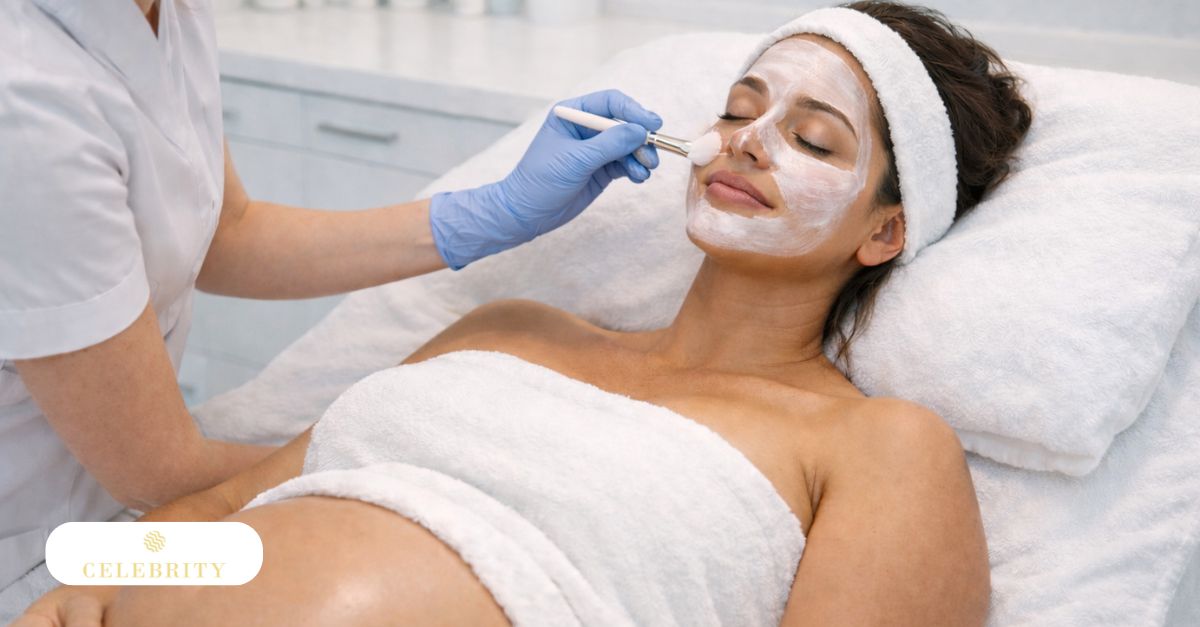
A facial during pregnancy is typically structured differently from a standard treatment. The emphasis shifts from correction or transformation to supportive care and real-time adjustment based on how the body responds that day.
Before treatment begins, the provider establishes clear treatment boundaries, which will and won’t be included, so there are no surprises. This helps ensure the facial stays within pregnancy-appropriate parameters and avoids techniques that may feel uncomfortable or unnecessary.
During the facial, treatments are delivered with a slower pace and lower intensity. Steps are often simplified, allowing the skin to respond gradually rather than being pushed through multiple active phases. Providers may pause or adjust steps if the skin shows signs of redness, pressure sensitivity, or discomfort.
Physical comfort is also a key consideration. Positioning, treatment duration, and transitions between steps are carefully managed, particularly as pregnancy progresses. The goal is to create an experience that feels steady and manageable, rather than overstimulating.
Overall, a pregnancy-safe facial is designed to be predictable, adaptable, and low-stress, supporting skin maintenance and comfort while respecting the body’s changing limits at each stage of pregnancy.
How to Choose the Right Facial During Pregnancy
Choosing a facial during pregnancy is less about the treatment name and more about how the treatment is designed and delivered. Pregnancy changes the skin’s tolerance to stimulation, making decision-making around facials more nuanced than usual.
Look for Maintenance-Focused Care, Not Correction
During pregnancy, facials are best approached as skin maintenance, not transformation. Treatments that aim to preserve hydration, calm the skin, and support barrier function are generally more appropriate than those targeting rapid correction of acne, pigmentation, or texture.
When evaluating a facial, consider whether the treatment is designed to:
- Support skin balance rather than aggressively alter it
- Be adjusted in intensity from visit to visit
- Prioritize consistency over visible short-term change
This mindset helps reduce the risk of irritation while keeping skin care aligned with pregnancy-related changes.
Evaluate How Flexible the Treatment Protocol Is
Pregnancy skin can change quickly, sometimes within weeks. A suitable facial protocol should allow for real-time adjustments, rather than following a fixed, rigid sequence.
Facials that rely on adaptable steps, where products, techniques, or timing can be modified, are better suited to pregnancy than treatments that depend on a strict formula or a preset outcome.
Choose an Environment That Encourages Ongoing Reassessment
Rather than a one-time decision, pregnancy-safe skincare is best reassessed regularly. Skin needs may differ between trimesters or even month to month.
A professional setting that encourages periodic evaluation and thoughtful adjustments helps ensure treatments remain appropriate throughout pregnancy, rather than relying on assumptions based on pre-pregnancy skin behaviour.
Ultimately, the right facial during pregnancy remains flexible, conservative, and responsive, supporting the skin as it changes rather than pushing it beyond its comfort zone.

Why Choose Celebrity Laser & Skin Care for Your Pregnancy-Safe Facial
Celebrity Laser & Skin Care offers pregnancy-aware skincare rooted in professional assessment, clinical judgment, and individualized planning. Care is guided by skin health and safety considerations rather than trends, ensuring treatments remain conservative and appropriate during pregnancy.
Skincare services are planned within the clinic’s skin rejuvenation approach, with protocols adjusted to reflect hormonal changes, increased sensitivity, and evolving skin needs throughout pregnancy. Each treatment plan is developed on an individual basis, with careful attention to product selection, treatment intensity, and overall skin tolerance.
This personalized approach allows skincare to address common pregnancy-related concerns, such as acne, dryness, and pigmentation, using gentle, non-invasive methods that support skin comfort and barrier function. The result is a refined, professional experience focused on maintaining skin health while respecting the unique considerations of pregnancy.
Conclusion: Safe and Effective Skincare for Pregnant Women
Facials during pregnancy can be appropriate when they are carefully selected and thoughtfully customized. While not every treatment is suitable, gentle, non-invasive facials that focus on hydration, comfort, and skin barrier support may help address common pregnancy-related concerns such as dryness, sensitivity, or breakouts.
The most important factor is professional guidance. Product selection, techniques, and treatment intensity should always be adapted to the individual’s skin condition and stage of pregnancy. A cautious, personalized approach helps ensure skincare remains supportive and aligned with overall well-being throughout this time.
If you’re considering professional skincare during pregnancy, you can book a consultation at Celebrity Laser & Skin Care to discuss your skin concerns and explore pregnancy-safe facial options tailored to your needs.