At a Glance:
Combining skincare treatments means using professionally planned sessions that target different layers and concerns of the skin. Single treatments may improve only one issue, while a combination approach can lead to clearer, smoother, and more balanced results in texture, tone, firmness, and overall skin quality. Professional assessment ensures treatments are safe, properly timed, and suited to your skin type. Daily at-home skincare remains essential to maintain results between sessions.
Many people notice that a single skincare treatment improves one concern, but does not fully address everything they are seeing in the mirror. Fine lines, uneven tone, acne, textural irregularities, and early skin laxity often develop at different depths of the skin and for different reasons. Because of that, one treatment alone may help partially while leaving other concerns unchanged.
Combining skincare treatments is a professional approach used in many aesthetic clinics to support better skincare treatment results. Instead of focusing on just one visible issue, combination treatment plans are designed to address multiple layers or concerns in a structured way. This article explains what combining skincare treatments means, why it can improve results, when it makes the most sense, and why professional planning matters.
What does combining skincare treatments mean?
Combining skincare treatments refers to the planned use of two or more professional treatments within a coordinated care plan. Each treatment targets a different skin concern, layer, or function, allowing results to build on one another over time.
This approach differs from trying multiple treatments at random. In a professional setting, combinations are selected carefully to ensure the skin can respond and heal properly.
Why One Skincare Treatment Is Often Not Enough
Many skin concerns have more than one cause. For example, acne may involve clogged pores, inflammation, and slow skin renewal. Aging skin may show fine lines, deeper wrinkles, volume loss, and reduced firmness at the same time.
Some treatments focus on the skin’s surface, while others work deeper within the tissue. Treating only one layer may improve part of the issue but limit overall progress. Combination approaches allow providers to address these layers together in a structured way.

Why Combining Skincare Treatments Can Improve Skincare Treatment Results
The skin is made up of several layers, each with a specific role in texture, strength, tone, and elasticity. Different technologies and treatments interact with these layers in different ways.
When treatments are combined thoughtfully:
- Surface treatments can improve tone and texture
- Energy-based treatments can support collagen and firmness
- Injectable or biologically active treatments can support structure and skin function
Addressing more than one layer often leads to clearer and more balanced results. This layered approach is one reason combination plans are commonly used for patients who feel their progress has slowed with single treatments.
When Combining Skincare Treatments Makes the Most Sense
Combining skincare treatments may be appropriate in several situations, including:
- When multiple skin concerns are present at the same time
- When results from previous single treatments have plateaued
- When early signs of aging involve both texture and laxity
- When long-term skin quality is a priority
Before combining treatments, a thorough skin assessment is essential. Factors such as skin sensitivity, healing ability, lifestyle, and medical history must be reviewed to ensure the plan is safe and effective.
This evaluation also helps determine the best timing, sequence, and type of treatments, making the approach more precise and tailored to individual skin needs.
Common Skin Concerns That Benefit from Combination Treatments
Combination approaches are often used for:
Aging skin: Wrinkles, skin thinning, and sagging often require support at different depths of the skin.
Acne and acne scarring: Active breakouts and post-acne texture changes involve inflammation, pore structure, and skin renewal.
Pigmentation and uneven tone: Discolouration may sit on the surface while underlying damage continues below.
Texture and skin quality: Roughness, enlarged pores, and dullness may improve faster when surface care is paired with collagen-supporting treatments.
The goal is not to treat everything at once, but to support the skin in stages.

Which Skincare Treatments Are Commonly Combined in Professional Clinics
At professional clinics such as Celebrity Laser & Skin Care in North Vancouver, treatments are grouped by skin concern rather than performed as isolated services.
Combination Treatments for Skin Texture and Quality
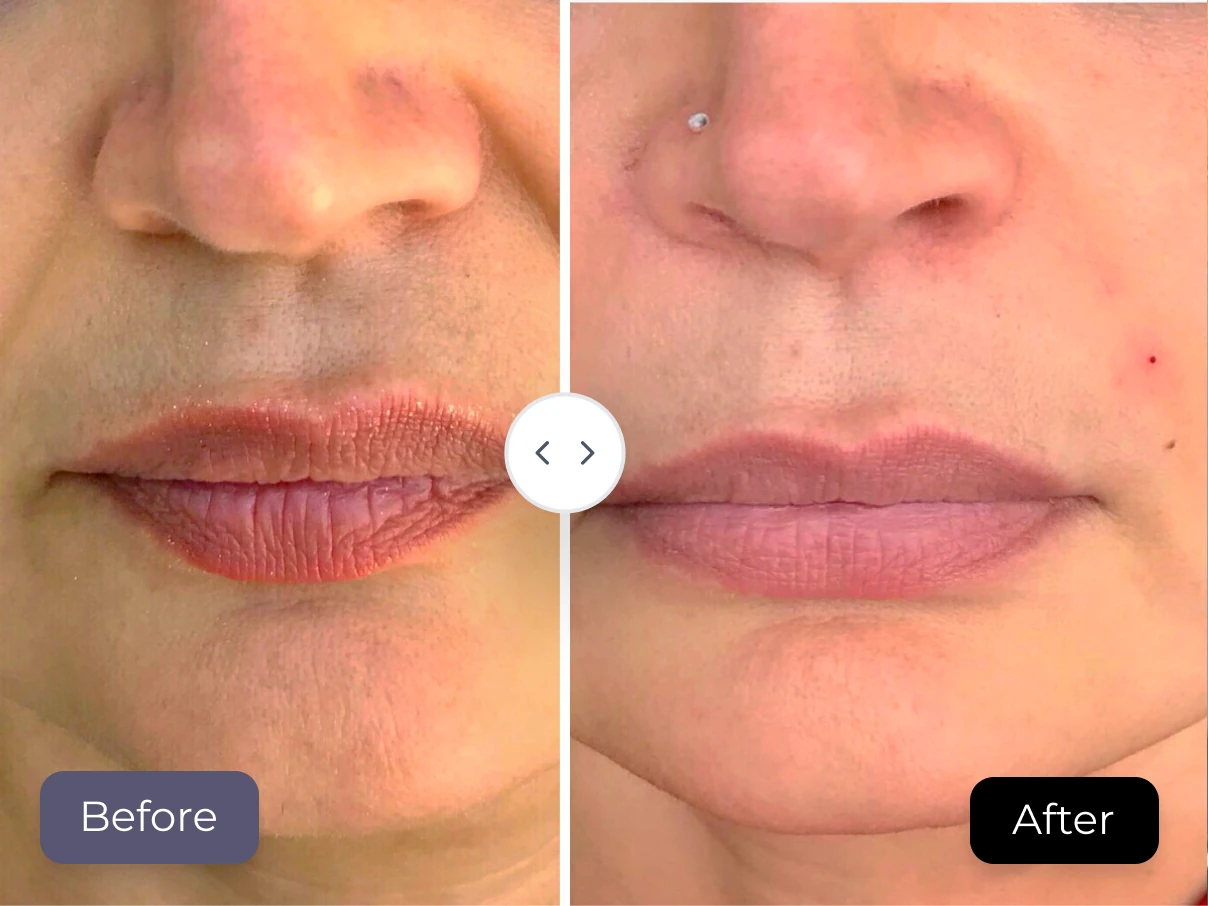
Treatments such as microneedling, Laser Genesis, and medical-grade chemical peels are often used together to support smoother texture and clearer skin. Surface exfoliation prepares the skin, while deeper stimulation encourages renewal.
These combinations are commonly used for uneven texture, enlarged pores, and early aging concerns.
Combination Treatments for Wrinkles and Fine Lines
Wrinkles and fine lines can develop for different reasons. Some are caused by repeated facial movement, some by declining skin quality, and others by volume loss that changes how the skin sits over underlying structures.
For this reason, professional clinics often combine treatments that address different aspects of aging. Neurotoxins such as Botox or Dysport may be used when facial movement is a major factor, while treatments such as microneedling or laser-based care may support skin texture and collagen renewal. In some cases, volume-related concerns are assessed separately because movement, volume, and skin quality do not respond to the same type of treatment.
This is why combining treatments can improve skincare treatment results: it allows different causes of visible aging to be addressed more completely rather than treating all wrinkles as if they develop the same way.
Combination Treatments for Skin Tightening and Sagging
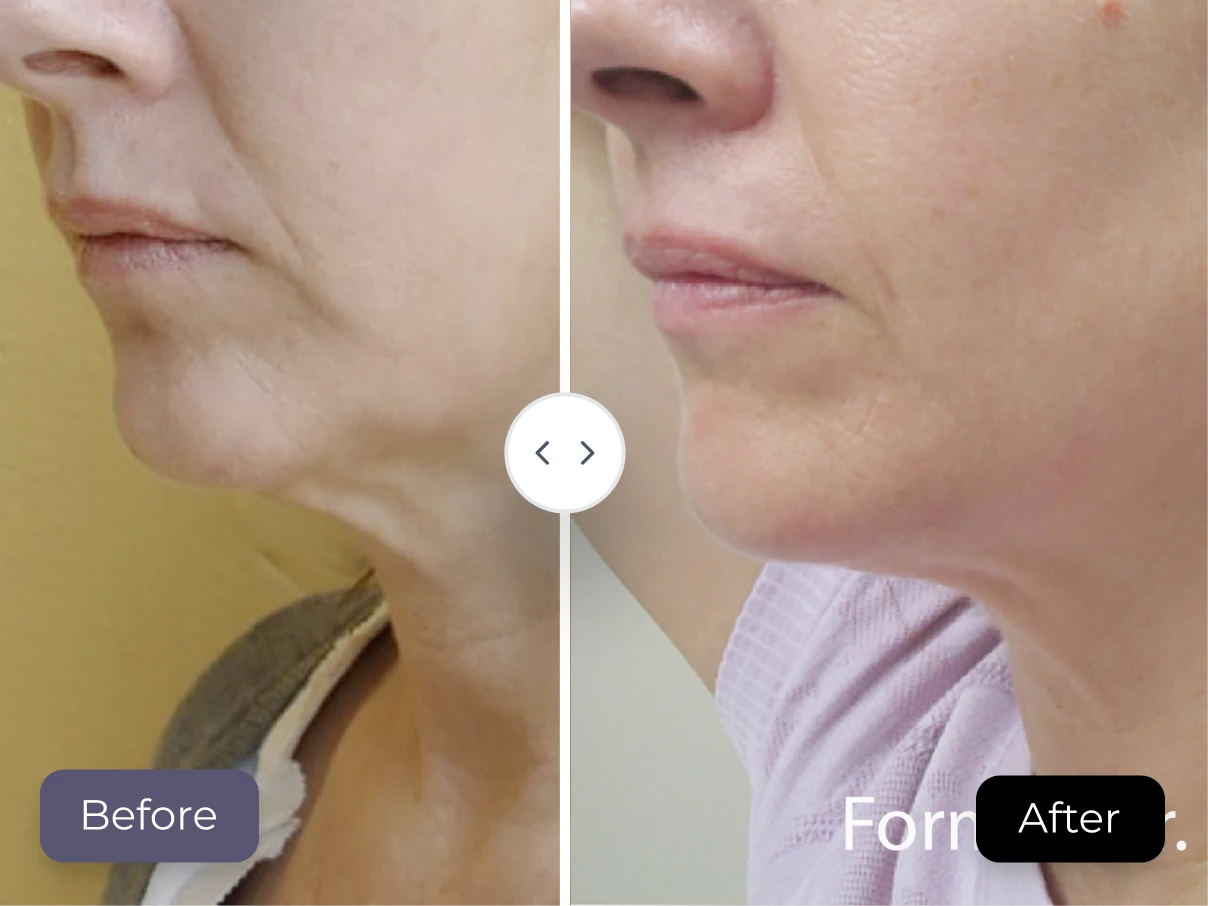
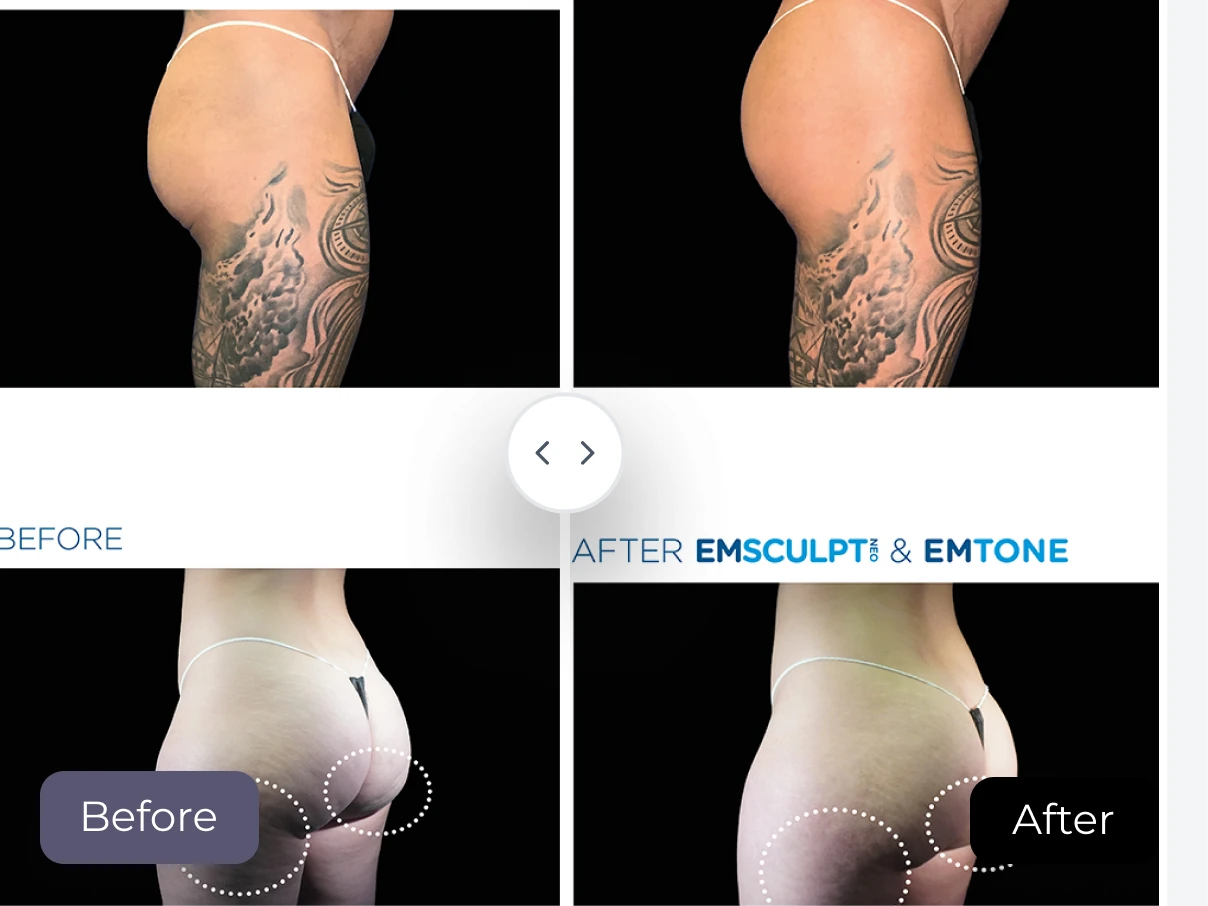
Skin laxity often requires deeper support. Radiofrequency treatments such as Forma or Morpheus8 are sometimes combined with collagen-stimulating therapies to support firmness and structure over time. This approach is commonly used for the face, neck, and body.
Why Combining Skincare Treatments Requires Professional Planning
Combining skincare treatments on your own can lead to irritation, delayed healing, or reduced results. Skin type, sensitivity, timing, and the order of treatments all influence how well the skin responds.
Professionals evaluate factors such as skin condition, medical history, previous treatments, and individual goals before creating a combination plan.
This assessment ensures that each treatment supports the others rather than causing stress or interference. Customization in planning is essential for safe, effective, and lasting results.
How Professionals Decide Which Treatments to Combine
Experts determine combination treatments by carefully assessing each patient’s skin and goals. They consider factors such as:
- Skin thickness and tone
- Sensitivity or redness
- Age and lifestyle
- Long-term goals
Even two people with similar concerns may require different approaches based on how their skin responds. Conservative planning is often preferred. Gradual, well-timed treatments allow the skin to adapt, support healing, and produce safer, more consistent, and long-lasting results.

Are combination skincare treatments safe?
Combination skincare treatments are considered safe when they are planned and performed by trained professionals. In a clinical setting, treatments are selected based on skin type, healing response, and tolerance, which helps protect the skin while improving results.
Professional combination care is very different from DIY layering. Providers understand how treatments interact, how deeply they affect the skin, and how to prevent irritation. Without guidance, combining treatments at home can overstress the skin barrier and delay healing.
Proper spacing is also essential. The skin needs time to recover between procedures, and experienced professionals schedule treatments in a way that supports repair and long-term skin health.
Can combining skincare treatments replace a good skincare routine?
Combining skincare treatments does not replace the need for daily skincare. In-clinic treatments support skin health by addressing deeper concerns, but day-to-day care is what helps maintain results and protect the skin between appointments.
At-home skincare plays an important role in supporting healing, preserving improvements, and maintaining the skin barrier. Without consistent daily care, the benefits of professional treatments may fade more quickly.
Professional treatments and skincare routines work together rather than separately. Consistency between clinic visits helps support long-term skin health and more stable results over time.
Final Thoughts – Is Combining Skincare Treatments Right for You?
Combining skincare treatments is not about doing more, but about addressing different skin concerns in a coordinated way. This approach can be helpful for individuals with multiple concerns or limited results from single treatments.
Because every skin type is different, professional assessment is important. A personalized plan helps ensure treatments are appropriate, safe, and effective over time.
If you are considering combination treatments, a professional consultation can help clarify which options may be appropriate for your skin concerns, goals, and tolerance for downtime.