At a Glance:
For most people, routine doses of common supplements do not appear to meaningfully reduce the effectiveness of laser hair removal. They do not block laser energy or reverse follicular damage once a hair follicle has been successfully treated.
The supplements most likely to influence long-term results are those that affect hormonal balance rather than basic nutritional support. The safest approach is full disclosure during consultation, so treatment timing, expectations, and recovery can be tailored to your individual health profile.
Many patients undergoing laser hair removal ask a very specific question:
Can the supplements I take affect my laser hair removal results?
Biotin, omega-3 fatty acids, and vitamin D are popular supplements in Greater Vancouver, often taken for hair health, skin support, immunity, or overall wellness. For patients undergoing laser hair removal, there is a concern that these supplements might promote hair growth or affect healing, potentially impacting treatment outcomes.
To answer this question effectively, it’s important to understand how laser hair removal and hair growth work. Laser technology targets hair follicles in a specific stage of the growth cycle. Because hair growth is influenced by hormones, genetics, and nutrition, questions about supplements are valid and warrant careful consideration.
This guide provides a clear, evidence-based explanation of:
- How laser hair removal works
- How the hair growth cycle functions
- Whether biotin, omega-3, vitamin D, and other supplements meaningfully influence outcomes
- When disclosure to your provider matters
At Celebrity Laser & Skin Care in North Vancouver, we review medications and supplements during consultation so settings and timing match your skin and hair profile.
How Laser Hair Removal Works
To understand whether vitamins influence laser hair removal results, it is essential to first understand how the treatment works at a biological level.
Laser hair removal is based on a principle called selective photothermolysis. This means that a specific wavelength of light is delivered into the skin and selectively absorbed by a target structure, in this case, melanin within the hair shaft and hair follicle.
Laser energy absorbed by melanin converts to heat, which travels down the hair shaft to damage the follicle responsible for hair regeneration. The goal is to reduce the follicle’s ability to produce new hair while protecting the surrounding skin.

Why the Anagen Phase Matters
Hair does not grow continuously. Each follicle cycles through three phases:
- Anagen (active growth phase)
- Catagen (transitional phase)
- Telogen (resting phase)
Laser hair removal works best during the anagen phase.
During anagen:
- The hair is actively growing
- The follicle is fully connected to the dermal papilla (its blood and nutrient supply)
- Melanin concentration is highest
- The hair shaft is firmly anchored inside the follicle
Because the follicle is actively producing hair and richly connected to its growth structures, heat from the laser can effectively disrupt it.
In contrast, during the catagen and telogen phases:
- The follicle is shrinking or resting
- The hair may be loosely attached
- The connection between the hair and growth structures is reduced
In these phases, laser energy is significantly less effective.
Why Multiple Sessions Are Necessary
At any given time, only a percentage of hairs are in the anagen phase. The exact percentage varies depending on the body area and individual biology.
For this reason:
- Multiple sessions are scheduled several weeks apart
- Treatments are timed to target new groups of hairs entering anagen
- Gradual reduction occurs over time
Laser hair removal does not “remove all hair at once.” Instead, it progressively reduces hair density and thickness by targeting follicles during their most vulnerable growth stage.
Biological timing is essential in evaluating hair growth supplements. If a substance affects the hair growth cycle, increases thickness, or stimulates dormant follicles, it may influence the number of hairs in the optimal treatment phase.
In the next section, we will examine the broader factors that influence laser hair removal outcomes before focusing specifically on supplements.

What factors influence laser hair removal results?
Laser hair removal results are influenced by biological and technical factors. While technology is important, individual physiology often dictates how the body responds over time. Understanding these factors is crucial before considering the impact of supplements on treatment outcomes.
1. Hormones
Hormones are one of the most significant regulators of hair growth.
Androgens (such as testosterone) influence:
- Hair thickness
- Hair density
- Growth rate
- Distribution patterns
Conditions such as polycystic ovary syndrome (PCOS), thyroid disorders, and other endocrine imbalances can stimulate increased hair growth or alter cycling patterns. When hormonal stimulation is ongoing, new follicles may continue to activate even after successful laser treatment of existing hairs.
Hormonal influence typically has a greater impact on long-term outcomes than basic nutritional supplementation.
2. Genetics
Genetic factors determine:
- Baseline hair density
- Follicle sensitivity to hormones
- Hair thickness and pigmentation
Some individuals naturally produce thicker, darker hair that responds well to laser. Others may have finer or lighter hair, which absorbs less laser energy due to lower melanin concentration.
3. Hair Colour and Thickness
Laser targets melanin. Therefore:
- Dark, coarse hair absorbs energy most effectively
- Light, fine, gray, or red hair may respond less predictably
Thicker hairs contain more melanin and conduct heat more efficiently to the follicle.
4. Skin Type
Skin type influences both safety settings and energy selection. Advanced laser systems are designed to treat a wide range of skin tones, but treatment parameters must be carefully calibrated.
Accurate assessment ensures effective follicle targeting while protecting surrounding tissue.
5. Medications
Certain medications can influence:
- Photosensitivity
- Hormonal balance
- Hair growth stimulation
For example, some hormonal therapies, steroids, and growth-promoting medications may increase hair production. Others may affect skin healing.
Full disclosure during consultation allows for safe adjustment of treatment protocols.
6. Underlying Medical Conditions
Medical conditions such as:
- PCOS
- Thyroid dysfunction
- Adrenal disorders
can stimulate new hair growth independently of laser treatment. In these cases, maintenance sessions may be required even after successful initial reduction.
7. Laser Technology and Treatment Planning
The quality of the device and the experience of the practitioner matter.
Effective treatment depends on:
- Proper wavelength selection
- Accurate energy calibration
- Skin type assessment
- Appropriate treatment intervals
Personalized planning ensures optimal targeting of follicles during the anagen phase.
The Role of Supplements
Given these variables, a logical question emerges:
If hormones, genetics, and medications can influence hair growth, could supplements that support hair or skin health also affect outcomes?
Anything that stimulates hair growth biology, even indirectly, may theoretically influence how many follicles are active or how quickly new hairs appear. However, the practical impact depends on the specific supplement and the underlying physiology of the individual.

Can supplements interfere with laser hair removal?
After learning how laser hair removal targets active hair follicles, the next question is: Can supplements change the biological environment during treatment?
Laser energy damages hair follicles that produce hair, and this process isn’t affected by vitamins in the bloodstream. Once a follicle is disrupted, supplementation cannot reverse the damage. The primary concern relates to hair growth dynamics over time.
Some supplements are marketed to support thicker hair, faster growth, or reduced shedding. Others influence inflammation, circulation, or hormonal balance. If a supplement significantly alters the number of active follicles at a given time or the thickness of emerging hairs, it could influence how treatment progresses across sessions.
The degree of impact varies significantly among individuals. For most healthy people without endocrine issues or nutrient deficiencies, standard vitamin supplements do not provide benefits greater than those from properly timed laser sessions.
Recovery is another important factor. Some supplements can influence bruising, skin sensitivity, or post-treatment inflammation, which are related to the healing process rather than hair follicle destruction.
To determine whether supplements make meaningful changes, each must be examined individually, beginning with those most commonly associated with hair growth.
Supplements That May Influence Hair Growth Biology
Hair follicles are active biological structures whose growth cycles depend on hormones, genetics, and nutrition. Nutrient deficiencies can lead to increased hair shedding or altered growth patterns. Still, normal growth can resume once these deficiencies are corrected.
For patients undergoing laser hair removal, the main question is whether specific nutrients significantly impact hair cycling behaviour, rather than whether supplements interact with the laser energy.
Some supplements are marketed for “hair growth”. In contrast, others are taken for broader health reasons but still influence skin or follicle function. The impact depends on:
- Whether a true deficiency is present
- Whether the supplement alters hormonal signalling
- Whether it changes inflammation or tissue metabolism
The degree of influence varies significantly between nutrients.
Does biotin affect laser hair removal?
Biotin, also known as vitamin B7, is a water-soluble B-vitamin involved in energy metabolism and keratin production. Keratin is a structural protein that forms the foundation of hair, skin, and nails. Because of this role, biotin is commonly included in “hair growth” supplements and beauty formulas.
It is important to clarify what biotin does and what it does not do.
Biotin deficiency is rare but can lead to hair thinning, brittle nails, and skin changes. In individuals who are deficient, supplementation can restore normal hair production. This is a correction of a deficiency, not stimulation beyond baseline biology.
In individuals with normal biotin levels, evidence does not show that additional supplementation significantly increases hair density, creates new follicles, or accelerates the hair cycle. Most clinical data supporting the use of biotin for hair growth involve individuals with deficiency states rather than healthy individuals.
From a laser hair removal perspective, several questions arise:
Does biotin increase hair thickness?
There is limited evidence that biotin supplementation in non-deficient individuals substantially thickens terminal body hair. Most reported improvements relate to brittle scalp hair associated with a deficiency.
Does biotin change the hair growth cycle?
There is no strong clinical evidence demonstrating that biotin shifts follicles into the anagen phase more frequently or alters cycle timing in a way that would interfere with laser treatment scheduling.
Does biotin increase follicle density?
Current research does not support the idea that biotin creates new follicles or increases permanent follicle numbers.
Direct research linking biotin supplementation to reduced laser hair removal efficacy is limited, and current evidence does not show a meaningful impact for most people.
Theoretical concerns sometimes arise because biotin is marketed for hair growth. However, in individuals without a deficiency, its effect appears limited to supporting normal keratin infrastructure rather than driving excessive follicular stimulation.
Should patients stop biotin before laser hair removal?
In general, biotin is considered safe to continue during laser hair removal. There is no established consensus recommending routine discontinuation. However, disclosure remains important. If a patient is taking high-dose hair growth supplements, this should be discussed during consultation so treatment timing and expectations can be appropriately reviewed.
For most patients, biotin does not negate laser treatment results. The more significant biological drivers of hair growth remain hormonal factors, genetics, and underlying medical conditions, rather than standard vitamin B7 supplementation.
Does vitamin D3 affect laser hair removal?
Vitamin D3 plays a broader biological role than many patients realize. Beyond its well-known function in bone health and immune regulation, vitamin D interacts with receptors present in hair follicles. The vitamin D receptor (VDR) is involved in normal follicle cycling and differentiation.
This has led to understandable questions: if vitamin D is linked to follicle function, could supplementation influence laser hair removal outcomes?
The key distinction again lies between deficiency correction and supplementation in individuals with normal levels.
Vitamin D deficiency is associated with certain types of hair loss, especially in autoimmune conditions such as alopecia areata. Restoring vitamin D levels in deficient individuals may help normalize hair cycling and improve the function of impaired follicles. However, it won’t create new ones.
For those with normal vitamin D levels, routine supplementation does not significantly increase body hair density or affect the hair growth cycle related to laser treatments. There is also no strong evidence that vitamin D3 supplementation causes excessive hair growth in healthy adults.
Several practical considerations are relevant:
- Correcting a deficiency may restore normal hair cycling.
- Normal supplementation does not appear to push follicles into prolonged anagen phases beyond baseline physiology.
- Direct research on vitamin D supplementation and laser hair removal efficacy is limited, and routine supplementation does not appear to meaningfully change outcomes for most people.
If a patient experiences suppressed hair growth due to a correctable deficiency, some hair follicles may return to normal growth cycles, indicating restored biological function rather than resistance to laser energy.
High-dose therapeutic vitamin D prescribed for medical reasons should be disclosed, but standard over-the-counter vitamin D supplements are generally safe for laser hair removal. Neither vitamin D nor biotin affects laser energy or reverses follicular damage; hormonal imbalances and endocrine issues are the main factors influencing hair regrowth.

Does iron affect laser hair removal?
Iron is essential for oxygen transport and cellular energy production. Because hair follicles are metabolically active structures, they are sensitive to iron levels, particularly to iron storage levels measured as ferritin.
When iron stores are low, hair shedding and cycle disruption can occur. This is one of the more common nutritional contributors to diffuse hair thinning, especially in women.
If iron deficiency is present, supplementation can restore normal follicle function. Hair that was previously shedding prematurely may return to its typical growth cycle.
The important distinction is this:
Iron supplementation corrects abnormal hair cycling caused by deficiency. It does not stimulate new follicle formation or create excessive hair growth in individuals with normal iron levels.
From a laser hair removal standpoint, several points are relevant:
- In individuals with normal iron levels, supplementation does not appear to increase hair density or thicken terminal body hair.
- There is no clinical evidence showing that iron reduces laser effectiveness.
- Laser-damaged follicles are not “reactivated” by iron supplementation.
A practical scenario can arise when someone starts iron therapy during laser treatment. Improved ferritin levels can help weakened hair follicles return to normal growth, resulting in a temporary increase in hairs entering the anagen phase.
This doesn’t indicate the laser treatment is ineffective; rather, it shows a return to normal hair cycling. Additional laser sessions may be needed to treat the newly active follicles.
Patients should inform their healthcare provider about any iron deficiency or anemia for proper expectation management and scheduling. Overall, iron supplementation does not interfere with laser energy or reverse follicular damage; it mainly restores normal growth in cases of deficiency.

Do hormone-support supplements affect laser hair removal?
Hormonal signalling plays a central role in hair growth patterns. Androgens, in particular, influence hair thickness, density, and distribution. When androgen activity increases, certain body areas may produce darker or coarser hair.
This is why endocrine conditions such as polycystic ovary syndrome (PCOS), adrenal disorders, or thyroid dysfunction can significantly affect hair growth behaviour.
Supplements marketed for “hormone balance” vary widely in their biological impact. Some provide general nutritional support. Others contain ingredients that influence endocrine pathways more directly, such as:
- DHEA
- Certain adaptogenic herbs
- Testosterone-support compounds
- Estrogen-modulating blends
- Thyroid-support formulations
The degree of hormonal effect depends on the ingredient, dosage, and individual physiology. Many over-the-counter products produce subtle changes. Others, particularly hormone precursors, may have more measurable influence.
From a treatment-planning perspective, the concern is not just supplement safety, but whether ongoing hormonal stimulation increases the number of active follicles over time.
If androgen activity remains elevated, new hair growth may continue to occur even after successful reduction of previously treated hairs. In these cases, additional sessions or periodic maintenance may be required.
Compared to standard vitamins, substances that alter hormone signalling are more likely to influence long-term hair patterns. For this reason, any supplement taken for PCOS, thyroid regulation, or hormone optimization should be disclosed during consultation.
Clear medical history allows for accurate expectation setting and personalized treatment scheduling.
Supplements That Affect Healing or Bruising
Not all supplements influence hair growth. Some affect how the body responds after treatment.
Laser hair removal creates controlled thermal injury to hair follicles while protecting the surrounding skin. This can result in mild redness, warmth, or temporary sensitivity. Recovery depends on the body’s inflammatory response and tissue repair mechanisms.
Certain dietary supplements can influence physiological processes, including mild blood-thinning effects and impacts on circulation and inflammation. While these do not alter how laser energy targets hair follicles, they may affect recovery, bruising, and skin sensitivity.
In the following sections, we will review common supplements, including omega-3 fatty acids, herbal products, and collagen, to clarify their effects on treatment safety and overall outcomes of laser treatments.
Does omega-3 affect laser hair removal?
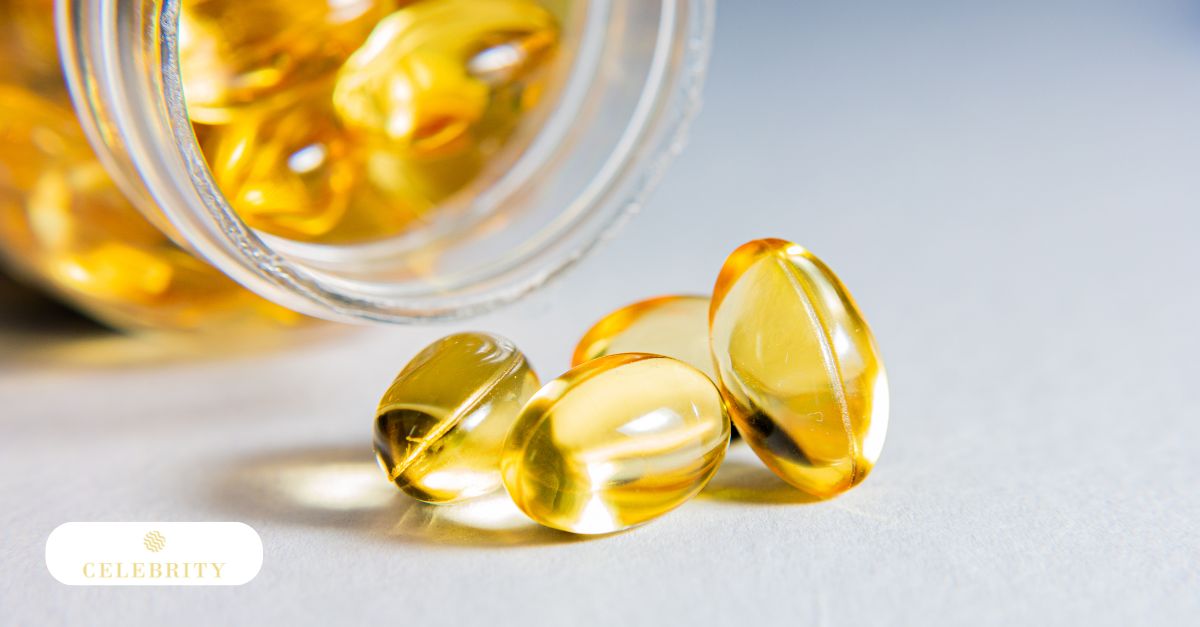
Omega-3 fatty acids are widely used for cardiovascular support, joint health, and anti-inflammatory benefits. They also contribute to skin barrier integrity and overall skin function.
Unlike hormone-modulating substances, omega-3 does not directly stimulate hair follicles or increase terminal body hair growth. Current evidence does not show that omega-3 alters the hair growth cycle in a way that would change laser treatment timing or long-term reduction patterns.
The primary consideration with omega-3 relates to circulation and clotting.
At higher doses, omega-3 can have mild blood-thinning effects. For some individuals, this may increase the likelihood of temporary bruising or prolonged redness following treatment. These responses depend on dosage, individual sensitivity, and whether other anticoagulant medications are being used.
This effect pertains to post-treatment skin response, not to the laser’s ability to target follicles.
For most individuals taking standard over-the-counter doses, omega-3 does not require discontinuation. However, patients using higher therapeutic doses or combining omega-3 with other blood-thinning agents should disclose this during consultation so recovery expectations can be appropriately discussed.
Do herbal supplements affect laser hair removal?
Herbal supplements are often perceived as mild or purely “natural,” but some have measurable physiological effects that are relevant to laser treatment planning.
Unlike standard vitamins, certain herbs can influence circulation, hormonal pathways, or skin sensitivity.
For example:
- Ginkgo biloba and ginseng may affect blood flow and have mild blood-thinning properties.
- Saw palmetto is sometimes used for its anti-androgen effects and may influence hormonal signalling.
- Ashwagandha and other adaptogens can interact with stress hormones and endocrine pathways.
The impact of these supplements varies significantly depending on formulation, dosage, and individual biology.
From a laser hair removal perspective, two factors are most relevant:
First, herbs with blood-thinning properties may increase the likelihood of temporary bruising or prolonged redness following treatment.
Second, herbs that influence hormone signalling could, in theory, affect hair growth patterns over time, particularly if they alter androgen activity.
Consider photosensitivity with herbal products, as they can increase skin sensitivity to light. While more common with certain medications, it’s important to disclose all herbal supplements before treatment to ensure proper precautions are taken.
Most herbal supplements do not directly affect laser effectiveness, but they can influence vascular responses or hormonal balance. Therefore, full disclosure during consultations is crucial for safe and personalized treatment planning.

Do collagen supplements affect laser hair removal?
Collagen supplements are widely used to support skin elasticity, joint health, and overall structural integrity. They provide amino acids that serve as building blocks for connective tissue.
Unlike biotin or hormone-support supplements, collagen does not directly regulate the hair growth cycle. It does not stimulate androgen pathways, activate dormant follicles, or increase follicle density.
Collagen supports the dermal structure, the skin’s connective framework, rather than the follicle’s growth signalling mechanisms.
From a laser hair removal perspective, two considerations are relevant:
First, collagen supplementation does not increase terminal body hair production. There is no clinical evidence linking oral collagen use to increase body hair density or regrowth after follicular damage.
Second, collagen may contribute to skin resilience and recovery. Supporting the structural components of the dermis may assist in maintaining skin integrity following procedures. This relates to overall skin quality rather than treatment effectiveness.
Collagen does not interfere with laser targeting, nor does it reverse follicular destruction. For most individuals, it can be continued during laser hair removal without concern.
As with all supplements, disclosure remains important to ensure a comprehensive understanding of a patient’s health profile.
Can supplements reduce the effectiveness of laser hair removal?
After reviewing individual supplements, the broader question becomes clearer: can vitamins or nutritional products meaningfully reduce laser hair removal results?
Laser hair removal damages active hair follicles, preventing their regeneration through nutrition or supplements.
Hormonal changes can activate new hair follicles, which may require additional treatment sessions for complete hair reduction. This doesn’t mean the treatment has failed; it reflects the dynamic nature of hair growth.
It is also important to distinguish between:
- Temporary stimulation of hair cycling
- Permanent reversal of follicular damage
There is limited evidence suggesting routine vitamin supplementation reverses successful follicle damage from laser hair removal.
In healthy individuals without endocrine disorders, common supplements like biotin, vitamin D, iron (when levels are normal), omega-3, and collagen generally do not reduce the effectiveness of laser treatments. The impact of hormone-altering substances is more related to their endocrine effects than their labels. Ultimately, factors like hormonal balance, genetics, and personalized treatment are key to long-term results.
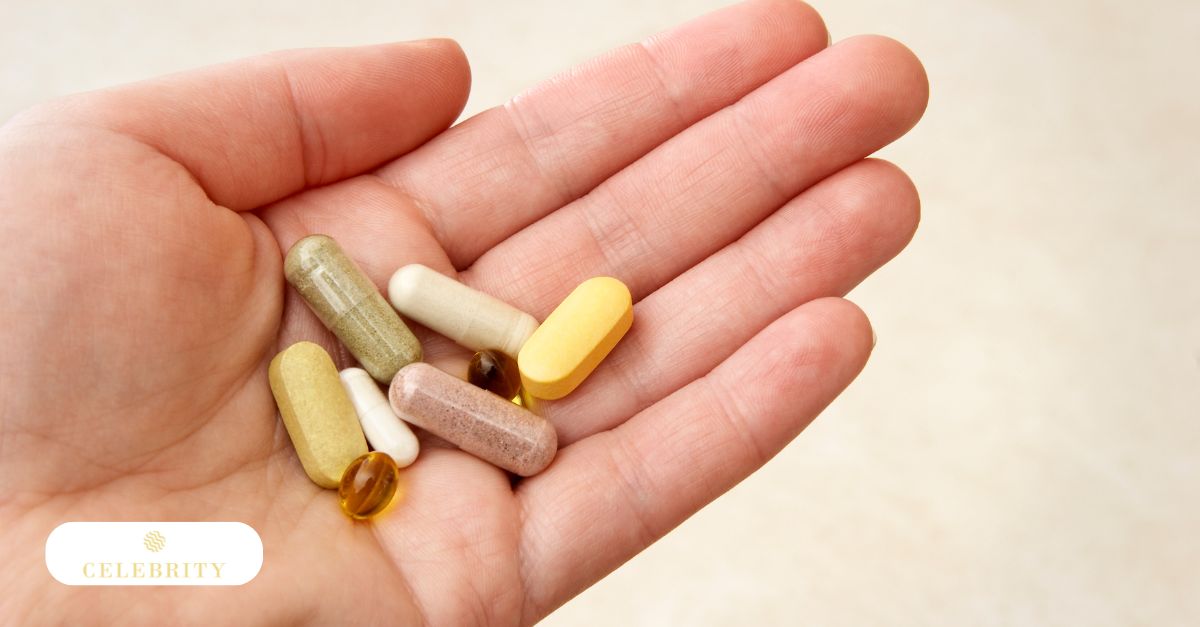
Should you stop taking vitamins before laser hair removal?
For most individuals, stopping routine vitamins before laser hair removal is not necessary. The appropriate approach depends on the type of supplement and its biological effect.
Rather than discontinuing supplements automatically, the priority is accurate reporting. A complete list of vitamins, minerals, and herbal products allows the provider to assess whether any adjustment is appropriate.
Here is how common categories are typically considered:
Biotin
Standard supplementation does not require routine discontinuation. High-dose hair growth formulas should be discussed so expectations can be aligned.
Vitamin D3
Maintaining or correcting vitamin D levels does not typically require adjustment before treatment.
Iron
If taken to correct a deficiency, iron should not be stopped without medical supervision. Treatment planning can continue while the deficiency is being managed.
Omega-3
At typical dietary doses, no change is usually required. Higher therapeutic doses may warrant individualized guidance depending on skin response history.
Hormone-related supplements
Products intended to influence androgen, thyroid, or estrogen pathways should be reviewed carefully. These may influence long-term hair patterns and require tailored planning.
Herbal products
Some herbal formulations may affect circulation or skin sensitivity. Disclosure enables informed timing decisions when needed.
Decisions about pausing supplements should always be individualized. At Celebrity Laser & Skin Care in North Vancouver, consultation includes a detailed health review to ensure treatment timing and expectations are aligned with each patient’s physiology.
Do vitamins affect healing after laser hair removal?
Laser hair removal triggers a controlled inflammatory response within treated follicles. Mild redness or warmth may occur temporarily as the skin initiates its repair process.
Skin recovery depends on several biological factors, including tissue oxygenation, collagen integrity, and inflammatory regulation. Nutritional status can influence these processes.
Certain nutrients play supportive roles in normal skin repair:
- Adequate protein intake contributes to structural rebuilding.
- Vitamin C participates in collagen synthesis.
- Zinc supports cellular turnover.
- Iron assists in oxygen delivery to tissues.
When nutritional deficiencies are present, recovery may be slower, and the skin may be more reactive. Correcting these deficiencies restores normal healing but does not enhance it.
For individuals with balanced diets, additional supplements do not significantly speed up recovery. Key factors for post-treatment healing include proper energy settings, skin assessments, and adherence to aftercare instructions.
Vitamins support skin health but do not notably change the expected healing process after laser hair removal.
Myths About Vitamins and Laser Hair Removal
Misinformation online can create unnecessary concern. Several common claims about supplements and laser hair removal are not supported by clinical evidence.
Myth 1: “Biotin cancels out laser hair removal.”
Biotin does not block laser energy or reverse follicular damage. In individuals without a deficiency, it does not significantly increase terminal body hair growth.
Myth 2: “Omega-3 makes laser treatments dangerous.”
Omega-3 may mildly influence bruising tendency at higher doses. Still, it does not make laser hair removal unsafe when properly assessed and performed.
Myth 3: “Vitamin D causes hair to grow back after laser.”
Vitamin D supports normal follicle function, particularly when deficiency exists. It does not regenerate follicles that have already been effectively treated.
Myth 4: “Hair growth supplements completely reverse laser results.”
Supplements do not recreate destroyed follicles. At most, substances that influence hormones may increase activation of untreated follicles over time, which can require additional sessions.
Myth 5: “If I take any supplement, my results will be reduced.”
Most common vitamins taken at standard doses do not meaningfully interfere with treatment progress. Long-term outcomes are more strongly influenced by hormonal balance, genetics, and appropriate treatment planning.
A clear medical evaluation is more reliable than online speculation. Understanding the difference between follicle destruction and ongoing hair biology helps patients make informed decisions without unnecessary interruption of care.
Professional Guidance Matters: Laser Hair Removal in North Vancouver
When questions arise about supplements, hormones, or healing response, individualized assessment becomes essential. General online advice cannot account for personal medical history, endocrine factors, skin type, or the specific laser technology being used.
Effective laser hair removal requires more than device selection. It involves a structured evaluation that includes:
- Review of medications and supplements
- Assessment of skin type and hair characteristics
- Consideration of hormonal or metabolic influences
- Appropriate treatment interval planning
At Celebrity Laser & Skin Care in North Vancouver, consultation includes a detailed health history to ensure that treatment timing and expectations align with each patient’s physiology. Supplements are evaluated in context, not in isolation, and guidance is based on medical reasoning rather than assumptions.
Advanced laser systems are calibrated according to individual skin tone, hair density, and treatment area. This personalized approach supports predictable outcomes while maintaining safety standards.
Conclusion
For most patients, common supplements like biotin, vitamin D3, iron (when levels are normal), omega-3, or collagen do not significantly affect laser hair removal effectiveness. They do not block laser energy or reverse follicular damage.
It’s essential to consider hormonal balance, nutritional deficiencies, and individual hair growth patterns. If you’re using hormone-modulating supplements, treatment planning may require closer evaluation.
Please don’t discontinue any supplements on your own; disclose all during your consultation for informed decisions and personalized scheduling. If you have questions about your supplements and are undergoing or planning laser hair removal, consult a professional for clarity.
At Celebrity Laser & Skin Care in North Vancouver, consultations include a detailed review of medications, supplements, and health history to support safe and individualized treatment planning.
Book a consultation to discuss your treatment goals and ensure your laser hair removal plan is aligned with your overall health profile.
Sources note: This article reflects published dermatology guidance on selective photothermolysis and hair-growth biology, plus evidence reviews on common supplements (biotin, vitamin D, iron, omega-3) and their known effects on hair cycling and bruising risk.