At a Glance:
Face yoga is a popular self-care practice that may offer subtle benefits with consistent use, but scientific evidence remains limited. Professional treatments provide more reliable, targeted solutions for addressing visible signs of aging.
For those seeking noticeable, longer-lasting results, a professional consultation can help determine which treatments are best suited to individual skin concerns and aging goals.
Face yoga has gained significant attention in recent years, particularly on social media and in wellness-focused communities. It’s often presented as a natural, non-invasive approach to anti-aging, promising facial toning, smoother skin, and a more lifted appearance through targeted facial exercises.
The appeal is easy to understand. Face yoga requires no devices, injections, or procedures, and it fits neatly into at-home self-care routines. For individuals seeking alternatives to clinical treatments, it’s frequently positioned as a low-cost, low-risk way to address concerns such as fine lines or loss of firmness.
At the same time, the growing popularity of face yoga raises an important question: Does it actually deliver meaningful anti-aging results? While anecdotal success stories are common, the effectiveness of facial exercises needs to be examined more carefully, particularly when compared with medically guided skincare and aesthetic treatments.
This blog takes a balanced look at face yoga, exploring what it claims to do, the evidence supporting it, and where it may or may not fit within a broader approach to skin aging.
What is face yoga, and how does it work?
Face yoga refers to a set of facial exercises and movements that focus on engaging the muscles of the face and neck. It is often described as a form of “exercise” for the face, based on the idea that regularly activating facial muscles may influence how the skin looks over time.
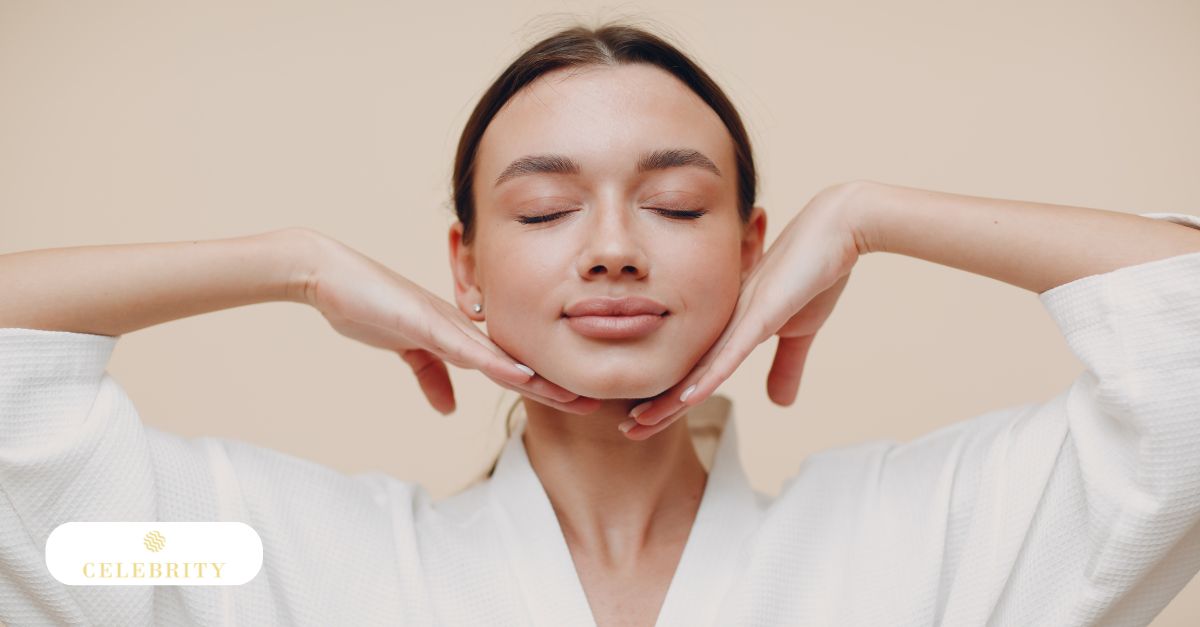
How Face Yoga Is Practiced
Face yoga typically involves repetitive movements, facial expressions, and manual techniques such as lifting, stretching, or holding specific muscle positions. Common exercises target areas like the forehead, cheeks, jawline, and around the eyes. These movements are often combined with controlled breathing or light massage and are usually performed daily at home.
Proponents claim that these exercises can:
- Improve facial muscle tone
- Reduce the appearance of fine lines
- Create a more lifted or firm look
- Improve circulation to the skin
The Theory Behind Face Yoga
The underlying theory is that the face contains many muscles, and that regularly activating or strengthening them may help counteract sagging or loss of firmness associated with aging. Supporters often compare face yoga to body exercises, suggesting that stronger muscles can improve structure and appearance.
Face yoga is also frequently linked to improved blood flow and lymphatic drainage, which some believe may temporarily enhance skin brightness or reduce puffiness.
Origins and Popularity
Face yoga draws from a combination of facial massage traditions, movement-based wellness practices, and yoga-inspired principles. While it has existed in various forms for years, it has become more widely known through digital platforms, instructional videos, and self-care routines shared online.
Today, face yoga is commonly practiced at home and incorporated into daily skincare rituals. Its popularity is largely driven by its accessibility and simplicity, allowing individuals to engage with facial movements without tools or equipment.
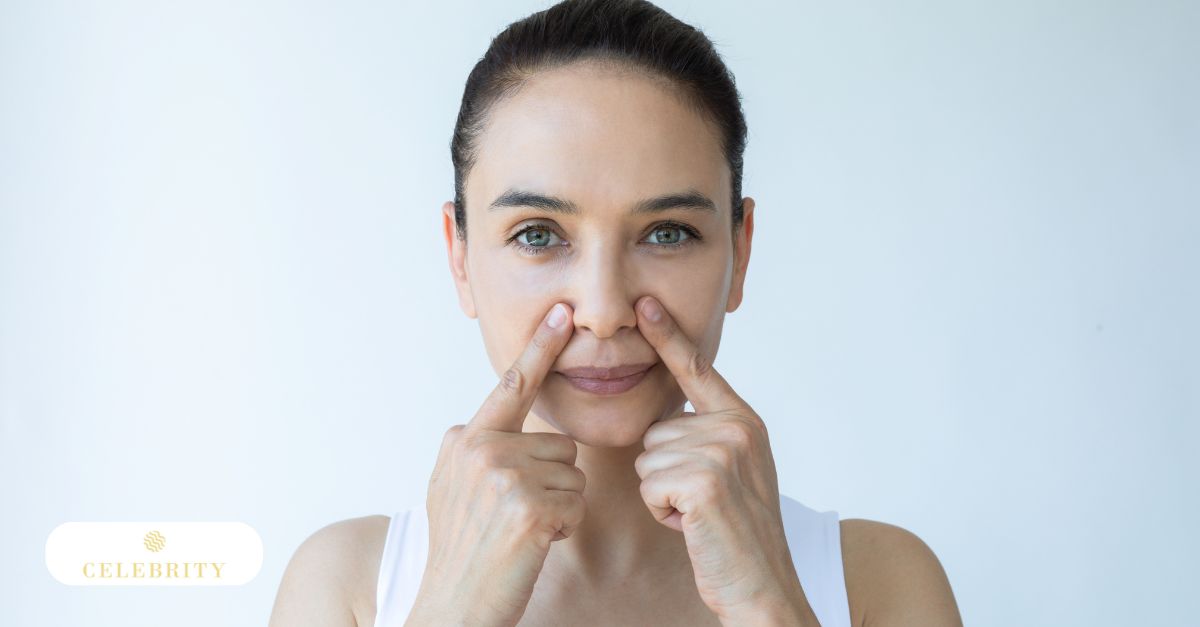
Facial Muscles and Common Face Yoga Exercises
The face contains numerous small muscles closely connected to the skin that play a role in expression and movement. Face yoga focuses on engaging these muscles through intentional, repeated movements, with the goal of improving awareness, relaxation, and muscle engagement.
Some of the most commonly practiced face yoga exercises include:
- Forehead smoothing movements, which involve gentle upward strokes or resistance-based expressions to reduce tension in the brow area
- Cheek-lifting exercises, often performed by smiling against resistance to activate the mid-face muscles
- Jaw and neck movements, designed to release tension along the jawline and lower face
- Eye-area exercises, such as controlled squinting or widening motions, aimed at engaging muscles around the eyes
These exercises are often paired with light massage or breathing techniques. They are typically performed regularly as part of a routine. While results can vary from person to person, many individuals practice face yoga for its relaxation benefits and increased awareness of facial tension patterns, rather than for dramatic structural changes.
The Benefits of Face Yoga for Anti-Aging
Face yoga is often practiced for its potential supportive effects on facial appearance and overall well-being, rather than as a targeted corrective treatment. The benefits most commonly associated with face yoga relate to changes in facial muscle engagement, perception of facial fullness, and stress reduction.
One of the primary benefits reported in clinical observations is improved cheek fullness. In small observational studies, participants who followed structured facial exercise routines over several weeks experienced visible changes in the cheek area, a region commonly associated with age-related volume loss. Participants also frequently reported a more refreshed or lifted facial appearance following consistent practice. 1
Face yoga has also been linked to changes in facial muscle behaviour. Research suggests that different muscle groups may respond differently to repeated facial exercises, with some muscles showing increased relaxation and others demonstrating improved tonus and elasticity. This variation may influence how facial features are supported and how expressions appear over time. 2
In addition to appearance-related effects, face yoga is commonly associated with relaxation and stress relief. Reviews examining facial muscle exercises have noted potential benefits related to mood, emotional well-being, and reduced stress levels. While these effects are not directly aesthetic, stress management is often considered a supportive factor in healthy skin aging. 3
Some face yoga routines also incorporate stretching and massage techniques, which have been associated with softening areas of tension and supporting skin mobility. These practices may contribute to improved comfort and awareness of facial muscle patterns rather than dramatic structural changes. 4
Overall, the benefits attributed to face yoga are generally subtle and cumulative, often tied to consistency and personal perception. How these reported benefits translate into measurable anti-aging outcomes is explored more closely in the following section.
Does face yoga really work? Examining the Scientific Evidence
Face yoga is widely practiced, but the key question is whether facial exercises reliably produce meaningful, measurable anti-aging changes. The research that exists is interesting, but it’s also limited in size and design, which affects how confidently results can be generalized.
What the Clinical Studies Suggest
The most-cited clinical study is a pilot trial published in JAMA Dermatology (2018). In that study, middle-aged women (40–65) followed a structured facial exercise program for 20 weeks, starting with daily sessions and then transitioning to every-other-day practice. Blinded physician raters reported a statistically significant improvement in upper and lower cheek fullness, and participants also reported perceived improvement in their appearance. 5
A more recent pre-experimental trial published in Medicina (2025) (very small sample size) looked at the biomechanical properties of facial muscles and reported changes in muscle tone, stiffness, and elasticity after an intensive multi-week face yoga routine.
This supports the idea that facial exercises may influence muscle characteristics, though it doesn’t automatically translate to predictable wrinkle reduction or lifting across broader populations. 6
What Other Reviews and Controlled Research Indicate
When broader evidence is reviewed, the overall picture is more cautious. A systematic review of facial exercises has noted that many studies in this area are small and often rely on subjective or non-standardized outcome measures.
There is also controlled research that did not find strong evidence to conclude that facial exercises are effective for rejuvenation. For example, a 2013 control group study concluded that effectiveness could not be established and called for more systematic research. 7

How Skincare Professionals Tend to View Face Yoga
Clinical commentary from health organizations generally frames face yoga as low-risk for many people when practiced gently, with possible modest cosmetic changes, especially in areas like the cheeks, if practiced consistently.
At the same time, professionals often emphasize that results vary, the evidence base is still developing, and technique matters (over-tensing or repeatedly creasing certain areas may not be ideal for everyone).
Bottom Line on Evidence
Based on published research, face yoga appears to have some evidence of modest, localized cosmetic changes (particularly cheek fullness) and measurable shifts in muscle properties in small studies.
However, the current evidence is not robust enough to treat it as a consistently reliable anti-aging method for everyone, and stronger research designs (larger, randomized controlled trials) are still needed to clarify who benefits, which techniques matter most, and what outcomes are realistic.
Face Yoga vs. Professional Skin Treatments
Face yoga and professional aesthetic treatments approach facial aging in very different ways. While facial exercises focus on voluntary muscle movement at the surface level, in-clinic treatments are designed to address structural, muscular, and skin-quality changes that naturally occur with aging.
Face yoga may support awareness of facial tension and provide subtle changes over time. Still, its effects are generally gradual and limited to muscle engagement. Professional treatments, by contrast, are developed to work beyond surface movement, targeting deeper layers of the skin and underlying structures that influence firmness, texture, and volume.
Face Yoga and Professional Treatment Differences at a Glance | ||
|---|---|---|
| Face Yoga | Professional Treatments | |
| Focus Area | Surface Muscles | Deep Skin Layers & Volume Loss |
| Tool Required | None | Clinical Devices / Injectables |
| Typical Outcome | Subtle Muscle Awareness | Measurable Firmness / Lift / Tone |
| Time to Results | Weeks to Months | Immediate to Gradual (1–3 Sessions) |
| Evidence Level | Limited | Robust, Peer-Reviewed |
| Best Used For | Self-care, Relaxation | Targeted Anti-Aging, Structural Support |
How Professional Treatments Differ in Their Impact
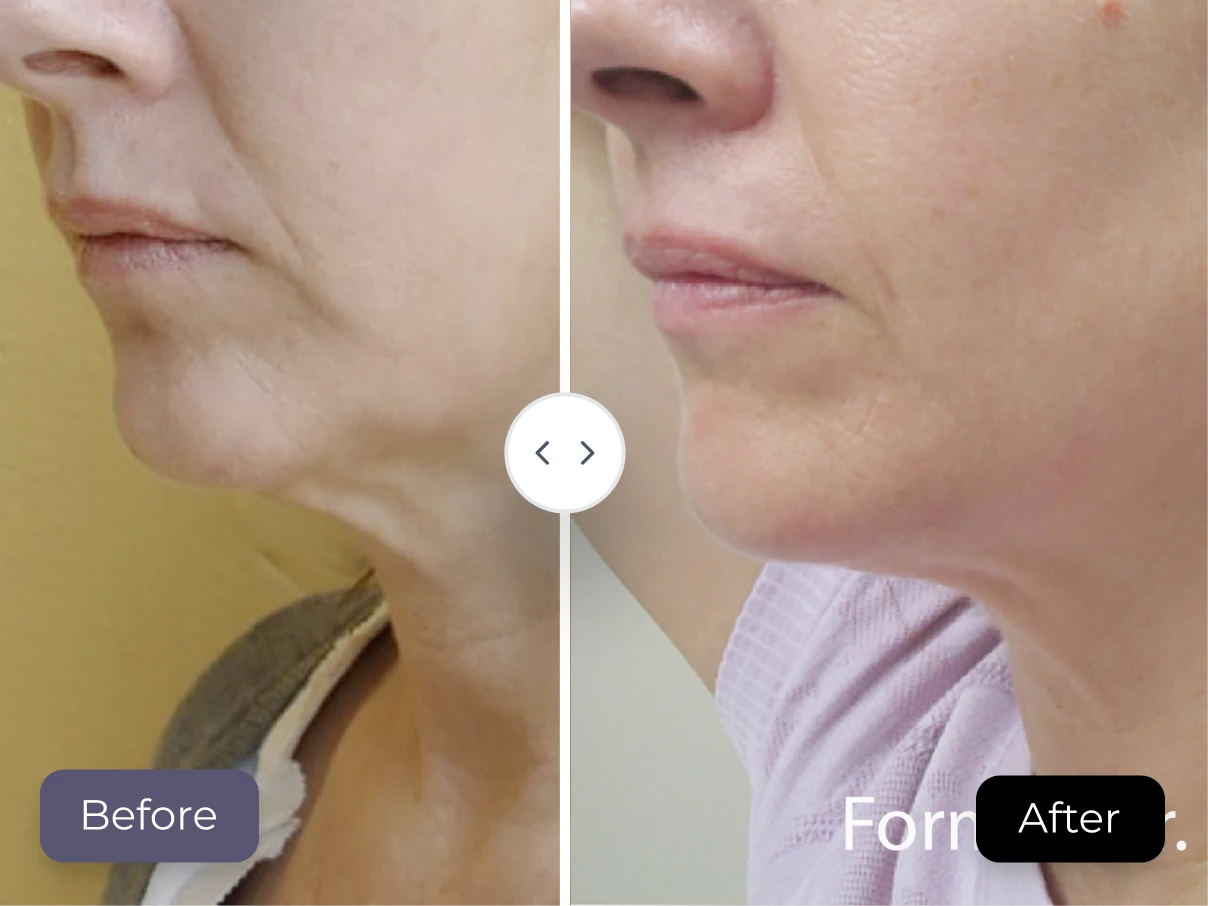
At Celebrity Laser & Skin Care, anti-aging treatments are selected based on how aging affects the face biologically, not just visually. These treatments are designed to work at specific depths and deliver controlled, measurable outcomes.
- Botox targets repetitive muscle activity that contributes to expression lines, helping soften dynamic wrinkles with predictable results.
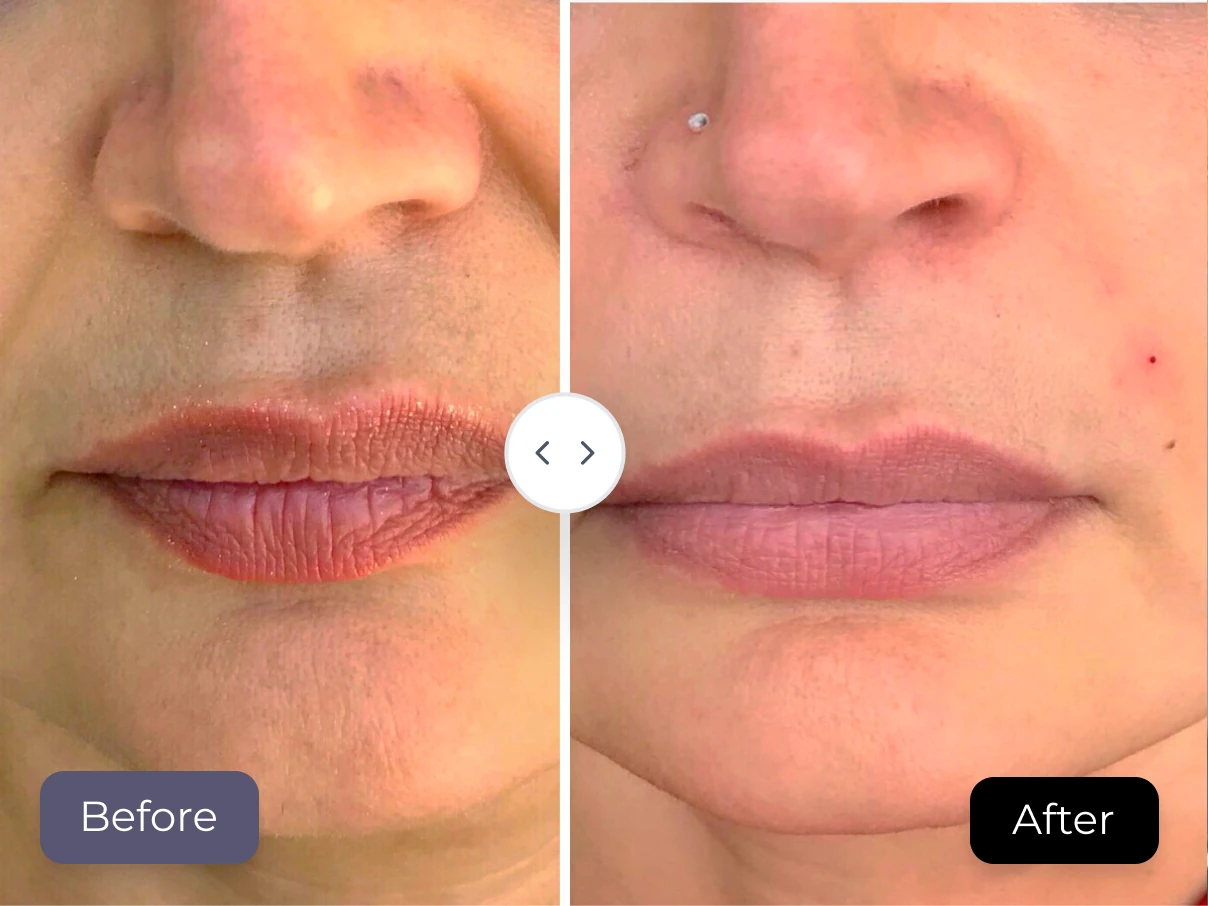
- Dermal Fillers address age-related volume loss and structural support, particularly in areas such as the cheeks or lower face.
- RF Microneedling and Microneedling stimulate collagen and elastin production within deeper layers of the skin, supporting firmness and texture over time.
- Skin Rejuvenation and Skin Tightening treatments focus on improving skin quality, tone, and laxity by activating natural repair mechanisms beneath the surface.
These approaches are guided by clinical assessment and are designed to influence the skin’s architecture, not just its appearance.
Why Professional Treatments Deliver More Noticeable Results
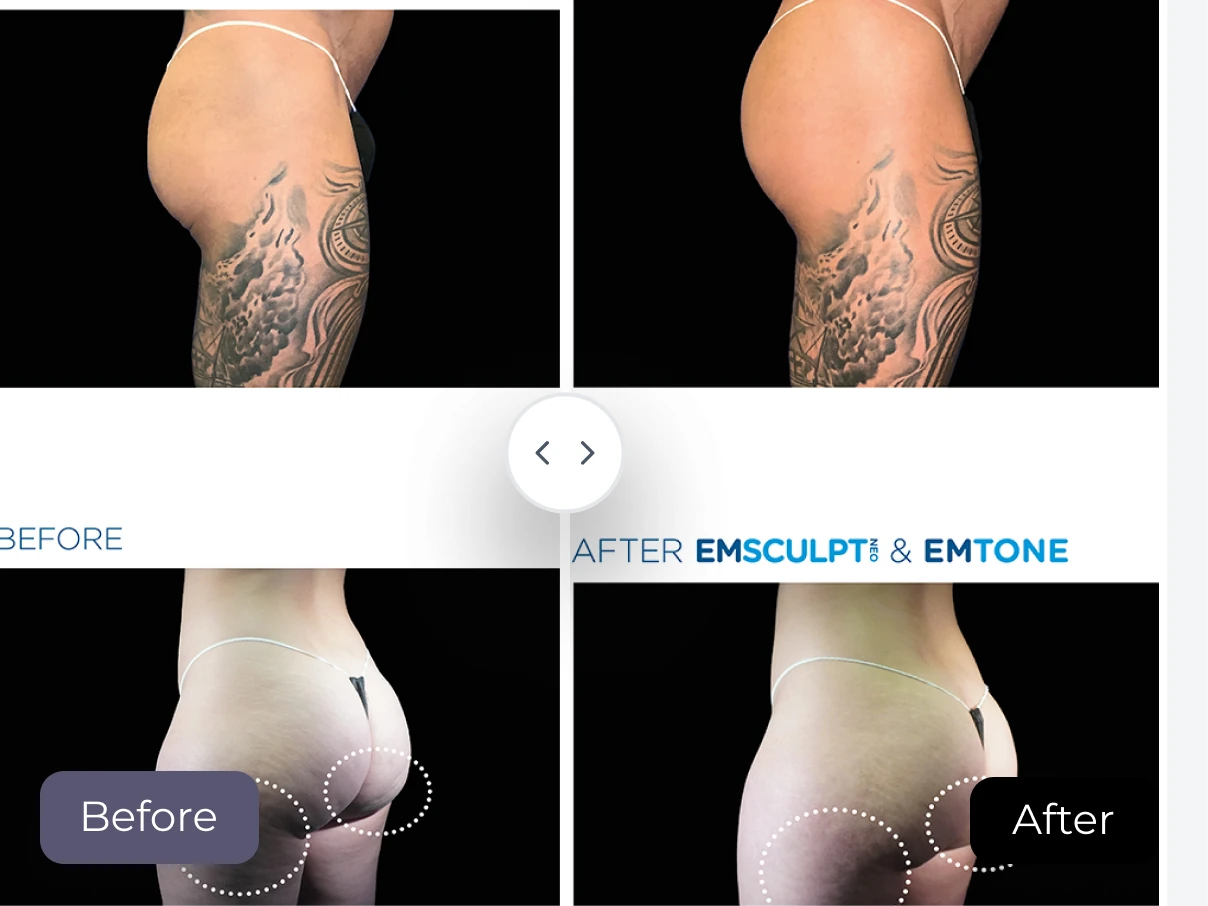
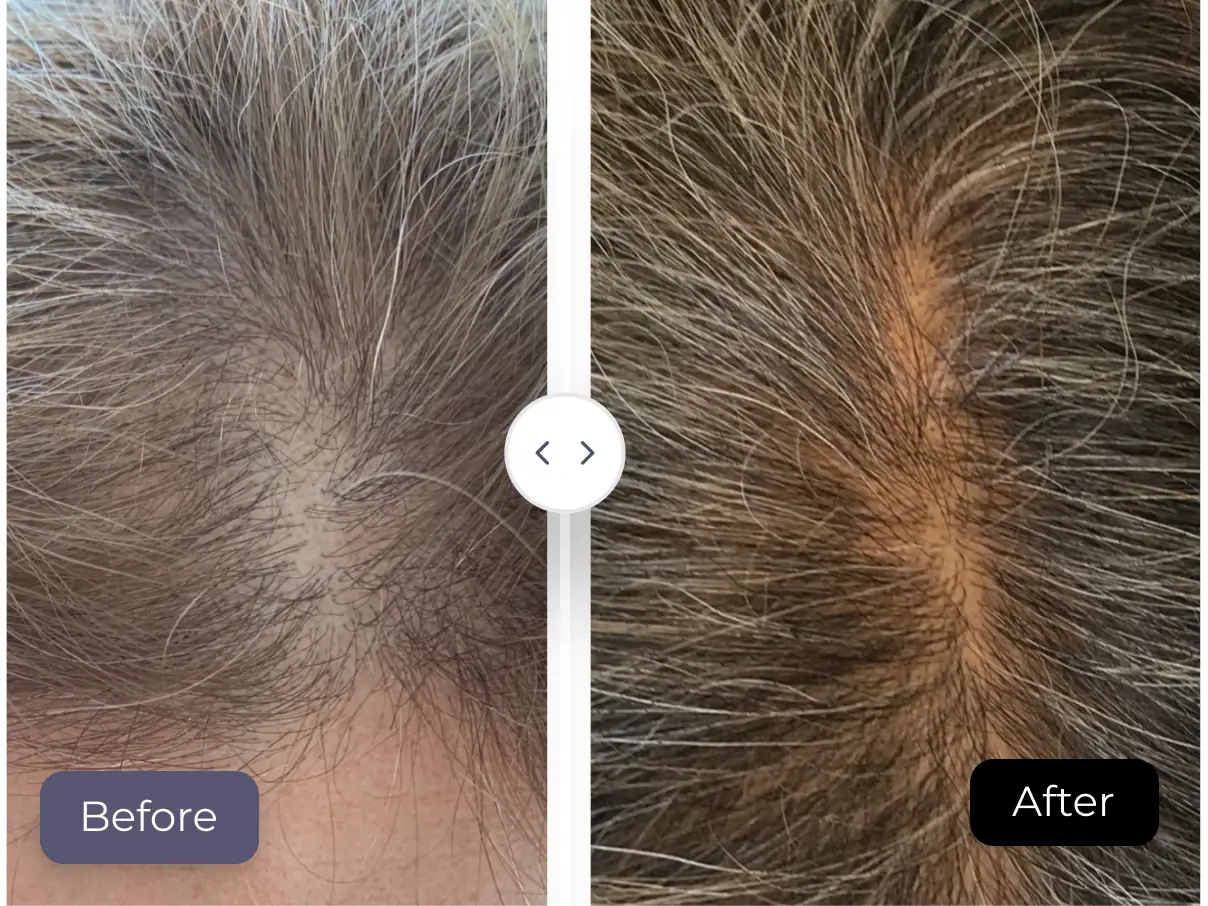
Professional treatments are performed using medical-grade techniques and technologies that allow providers to control depth, intensity, and treatment area. This precision makes it possible to address concerns such as volume loss, collagen decline, and skin laxity more directly than facial exercises can.
Because these treatments act on deeper structures, results are often more noticeable and longer-lasting, particularly when incorporated into a personalized treatment plan. While no treatment can stop aging entirely, professional care can meaningfully influence how the skin ages over time.
How Face Yoga Can Work in Parallel with a Professional Skincare Routine
Face yoga can be incorporated as a supportive habit within a broader skincare approach. Still, it is not a substitute for professionally guided treatments. When used alongside clinical care, facial exercises may complement overall skin wellness by promoting awareness of facial tension and encouraging consistent self-care.
Some individuals choose to integrate face yoga into their daily routine by practicing short exercise sessions after cleansing or while applying skincare products. Gentle movements or massage techniques may be paired with moisturizers or serums, helping reinforce mindful application and relaxation without placing stress on the skin. Used this way, face yoga becomes part of a daily ritual rather than a corrective treatment.
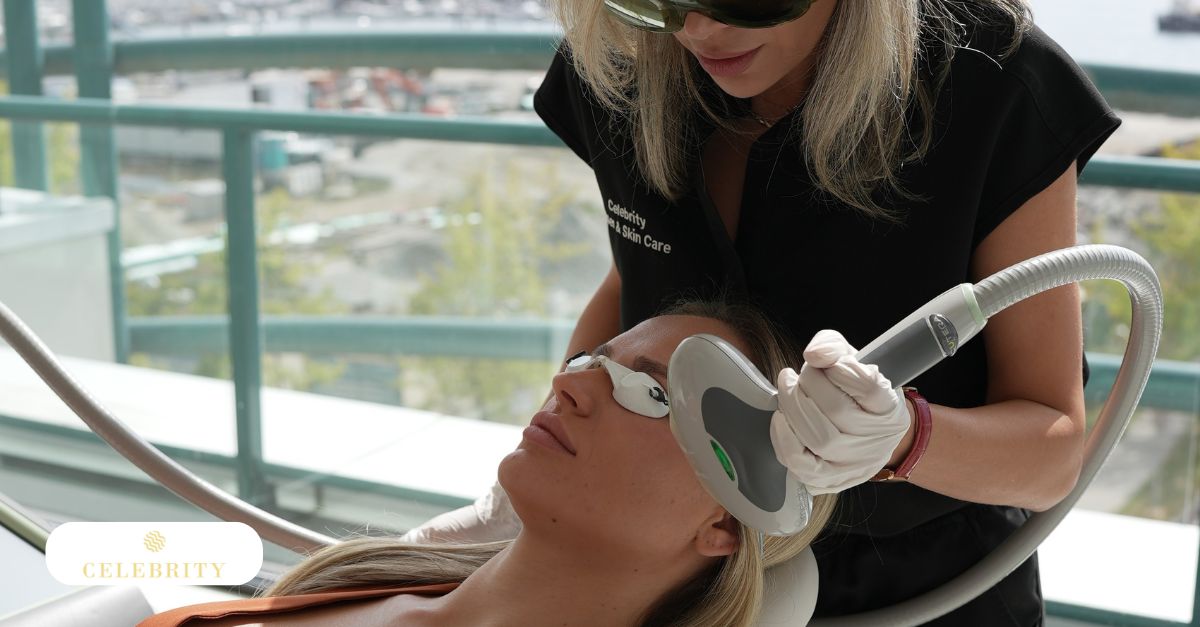
A well-structured skincare routine remains essential. Cleansing, hydration, sun protection, and the use of appropriate at-home products help maintain the skin barrier and support the results of in-clinic treatments. Professional treatments such as injectables, skin rejuvenation, or collagen-stimulating procedures like IPL therapy address deeper structural and biological factors that facial exercises cannot reach.
It’s important to approach face yoga with realistic expectations. Relying on facial exercises alone for anti-aging may limit results, particularly when concerns involve volume loss, skin laxity, or dynamic wrinkles. For these concerns, professional assessment and treatment planning are often necessary to achieve meaningful, long-term improvement.
When combined thoughtfully, daily self-care practices and professionally guided treatments can work together to support skin health while ensuring deeper aging concerns are addressed with appropriate clinical solutions.
A Complementary, Not Competing, Approach
For individuals considering how face yoga fits into their overall approach to aging skin, a professional consultation can provide clarity. Face yoga is not a service offered at our clinic, but our team at Celebrity Laser & Skin Care can assess your skin concerns, discuss your current routine, including practices like face yoga and recommend clinically guided treatments that align with your goals.
Booking a consultation allows you to explore options thoughtfully and determine whether professional care may be appropriate to support longer-term skin health and aging concerns.
Conclusion
Face yoga has gained widespread attention for its accessibility and simplicity, and small studies suggest it may offer modest, localized benefits when practiced consistently. At the same time, the available research remains limited in scope, making it difficult to rely on facial exercises alone for meaningful, long-term anti-aging results.
Professional anti-aging treatments provide a more reliable approach because they are designed to address the underlying biological changes associated with aging, such as muscle activity, volume loss, collagen decline, and skin laxity.
At Celebrity Laser & Skin Care, treatments are selected through clinical assessment and tailored planning, allowing concerns to be treated at the appropriate depth with controlled, predictable outcomes.
If you’re exploring ways to support your skin as it ages, a personalized consultation can help clarify which options align with your goals. You’re invited to book a consultation at Celebrity Laser & Skin Care to discuss your concerns, review your current routine, and explore professional treatments designed to support healthier, more resilient skin over time.