At a Glance:
During pregnancy, hormonal changes can cause increased hair growth in new areas. Still, it’s best to pause laser hair removal until after giving birth.
There’s no proven risk to mother or baby, yet experts recommend waiting because of skin sensitivity, hormonal fluctuations, and limited research data.
Gentle grooming methods like shaving or trimming are safest during pregnancy. Once your doctor clears you postpartum, Celebrity Laser & Skin Care offers safe, customized laser treatments to restore lasting smoothness with precision and care.
Pregnancy brings countless changes, some expected, others surprising. Among them, many women notice new hair growth in unexpected areas, or thicker, faster-growing hair overall. For those already enjoying smoother skin from laser hair removal, these changes can raise an important question: Is it safe to continue laser treatments during pregnancy?
At Celebrity Laser & Skin Care in North Vancouver, we understand that expecting mothers want to feel comfortable and confident throughout every stage of pregnancy. While laser hair removal is a highly effective treatment for long-term hair reduction, it’s important to consider how pregnancy affects both your skin and your body’s response to cosmetic procedures.
This guide explains what you need to know about laser hair removal during pregnancy, including safety considerations, hormone-related hair growth, safer alternatives, and the best time to resume treatments after giving birth.
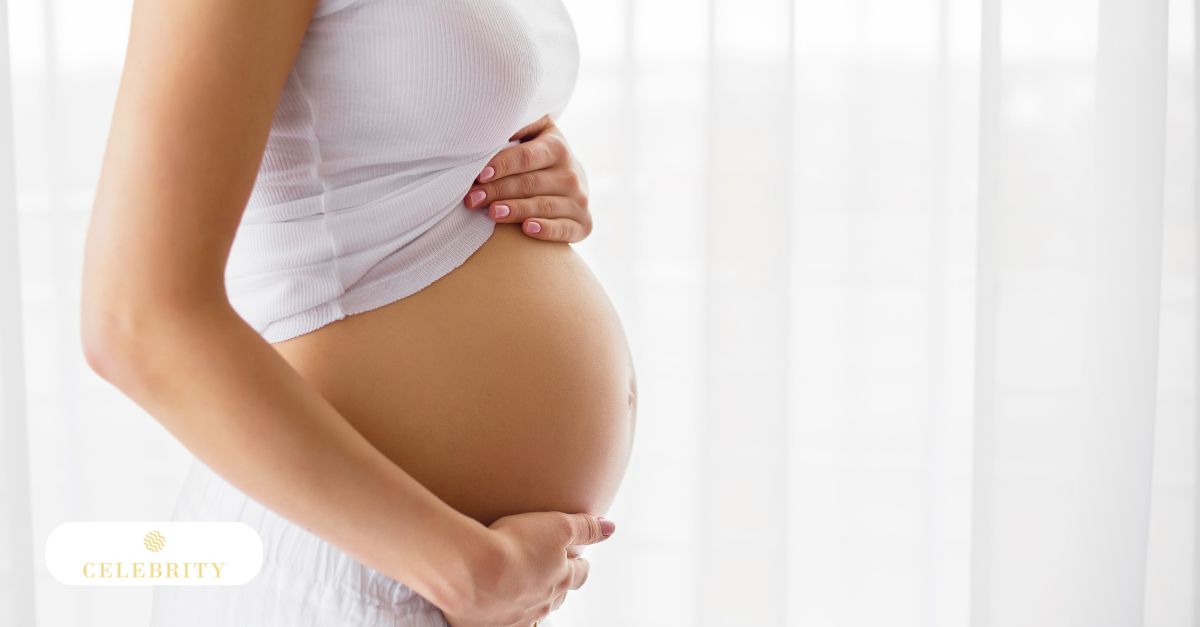
Is laser hair removal safe during pregnancy?
Although laser hair removal is a safe and well-established cosmetic treatment, most experts recommend postponingit during pregnancy.
There isn’t enough scientific research confirming how laser energy might affect pregnant women or developing babies. For this reason, dermatologists and obstetricians generally advise waiting until after childbirth before resuming laser sessions.
Laser hair removal technology works by directing light energy into hair follicles to reduce growth over time. While the light targets only the skin’s surface layers and doesn’t penetrate deeply, pregnancy brings hormonal and physiological changes that can make skin more sensitive, reactive, or prone to pigmentation shifts. These changes can affect both comfort and treatment outcomes.
At Celebrity Laser & Skin Care, safety always comes first. The clinic’s specialists recommend deferring laser treatments during pregnancy and focusing instead on temporary, gentle methods until your body and skin return to their natural balance after birth.

Why It’s Best to Postpone Laser Hair Removal During Pregnancy
Pregnancy causes changes in your body that can affect how your skin responds to treatments. It’s best to pause laser hair removal until after childbirth.
Here’s why waiting is recommended by professionals:
| Infographic: Why Professionals Recommend Waiting | |
| Layout: Vertical list with five icons and short labels | |
| Reason | Suggested Icon |
| Increased Skin Sensitivity | Body outline icon |
| Higher Pigmentation Risk | Sun icon |
| Lack of Safety Studies | document icon with caution sign |
| Hormonal Hair Growth Fluctuations | Hair strand icon |
| Comfort and Positioning | Pregnant belly icon |
Increased Skin Sensitivity
Hormonal shifts can make your skin more reactive than usual. What normally feels like mild warmth during laser treatment could feel uncomfortable or lead to redness or irritation while pregnant.
Higher Pigmentation Risk
Pregnancy can trigger melasma, also known as “the mask of pregnancy,” where skin becomes more prone to dark spots. Laser energy may increase this risk in some individuals.
Lack of Safety Studies
Because ethical medical studies aren’t conducted on pregnant women, there’s limited data confirming laser safety during pregnancy. Waiting ensures that both you and your baby stay fully protected.
Hormonal Hair Growth Fluctuations
Many women notice thicker or faster-growing hair due to pregnancy hormones. These changes are temporary, and starting laser treatments now may not yield predictable results until hormones stabilize postpartum.
Comfort and Positioning
As pregnancy progresses, lying still for extended periods or certain positions required for treatment can become uncomfortable. Waiting until after delivery allows for a more relaxed, effective session.
Potential Challenges of Laser Hair Removal When Pregnant
Pregnancy alters the body and skin’s response to cosmetic treatments, making laser hair removal less predictable and often uncomfortable. Hormonal changes, particularly increases in estrogen and progesterone, can disrupt hair growth cycles, leading to new hair in previously treated areas.
This inconsistency can reduce the effectiveness of laser treatments until hormones stabilize after childbirth.
During pregnancy, heightened skin sensitivity and circulation can cause warmth, irritation, and pigmentation changes after treatments. Factors like positioning and limited soothing products can also affect comfort and results.
Therefore, it’s best to wait until after childbirth for laser treatments to ensure the skin is calm and ready for the long-lasting smoothness that Celebrity Laser & Skin Care provides.
How Pregnancy Affects the Hair Growth Cycle
During pregnancy, hormonal changes, especially higher levels of estrogen and progesterone, affect how hair grows, sheds, and renews.
Normally, hair goes through three stages: growth (anagen), rest (catagen), and shedding (telogen). Laser hair removal is most effective during the growth phase, when hair is still connected to the follicle.
Pregnancy extends the hair growth phase, leading to thicker growth in areas like the belly, arms, and face, while fewer hairs are shed. After childbirth, hormone levels drop, causing postpartum hair loss as these extended-growth hairs shed.
Additionally, laser hair removal during pregnancy may yield inconsistent results due to hormonal fluctuations affecting hair follicle cycles.
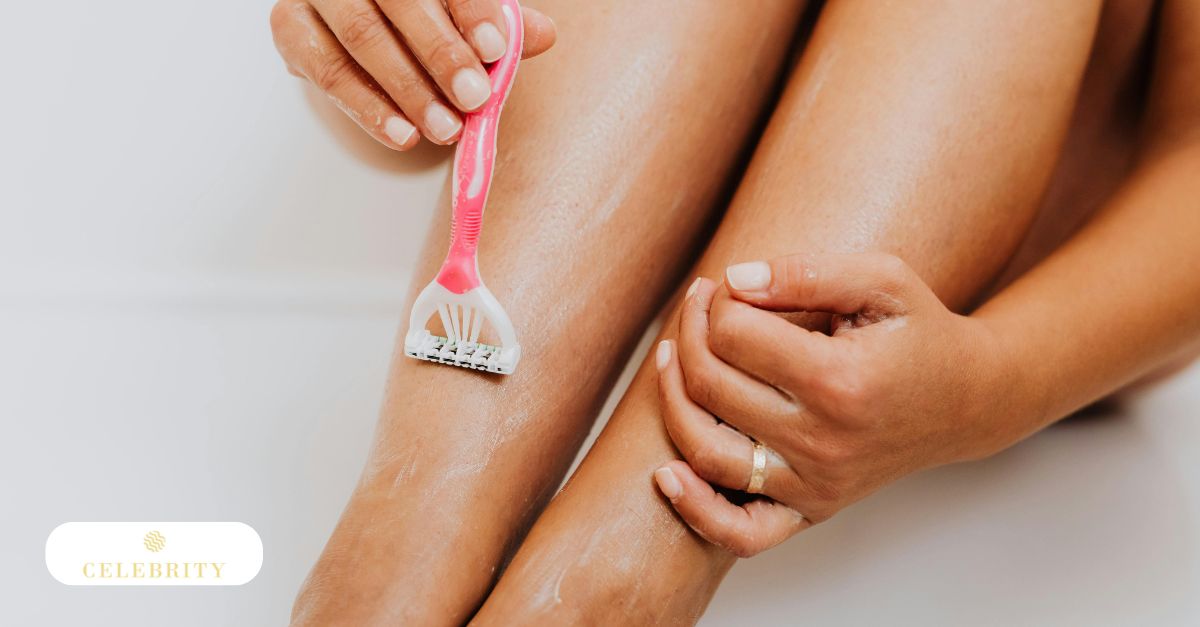
Safe Hair Removal Options During Pregnancy
While laser hair removal should wait until after pregnancy, there are several safe and temporary alternatives for managing unwanted hair in the meantime. These methods can help you feel comfortable and confident without putting stress on your skin or body.
1. Shaving
Shaving remains one of the safest and simplest ways to remove hair during pregnancy. It’s quick, inexpensive, and has no effect on your skin’s deeper layers. Always use a clean, sharp razor and gentle shaving cream to avoid irritation.
2. Waxing
Waxing can still be an option during pregnancy, but it’s best approached with caution. Hormonal changes can make your skin more sensitive, so opt for hypoallergenic formulas and avoid overly hot wax. When comparing wax vs. laser hair removal, waxing may be suitable for occasional touch-ups, especially if you prefer a temporary method or can’t comfortably reach certain areas.
3. Threading or Tweezing
For small areas like the eyebrows, chin, or upper lip, threading and tweezing are safe, non-invasive options. These methods are ideal for precise touch-ups without chemical exposure or risk to the skin.
4. Electric Trimming
Electric trimmers are a great alternative for maintaining smoothness on arms, legs, or the bikini line. They don’t pull the hair from the root, reducing irritation and keeping skin calm.
5. Avoid Chemical Depilatories
Hair removal creams may contain ingredients that aren’t well-studied for pregnancy. Always check labels and consult your healthcare provider before using chemical depilatories.
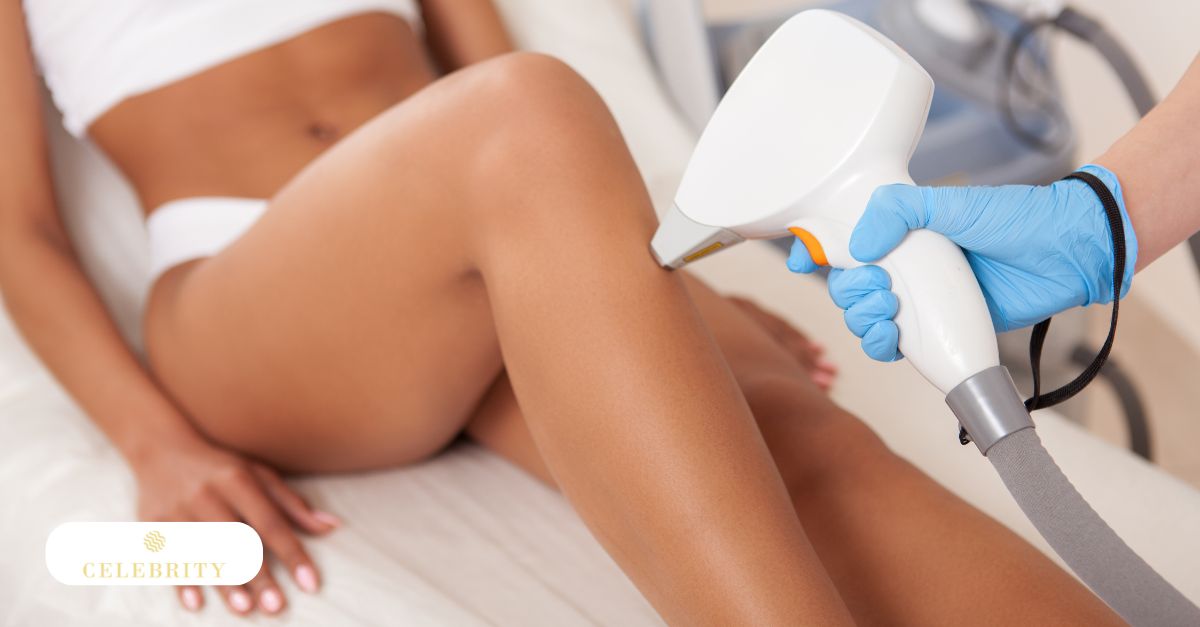
When can you get laser hair removal postpartum?
The weeks and months after childbirth are a time of healing and adjustment, both physically and hormonally. According to the American College of Obstetricians and Gynecologists (ACOG), postpartum recovery should be viewed as a long-term process, not just a single follow-up appointment.
During this period, your body’s hormone levels gradually return to balance, and your skin begins to regain its natural sensitivity and tone. Before resuming any cosmetic treatments, including laser hair removal, it’s best to speak with your obstetrician regularly.
They can help determine when your hormones have stabilized and when your skin is fully ready for laser sessions.
These discussions are especially important if you are recovering from a cesarean birth or episiotomy, as proper healing must take priority before any light-based treatment.
Conclusion
Pregnancy brings various changes in skin and hair growth. It’s best to postpone laser hair removal during this time, but don’t worry, these changes are temporary and will fade as your hormones balance after childbirth.
In the meantime, opt for gentle grooming methods to keep your skin comfortable. Once your doctor confirms your postpartum recovery, you can safely resume laser treatments for long-term smooth results.
At Celebrity Laser & Skin Care, we understand the unique needs of new and expecting mothers. Our specialists combine advanced technology with clinical expertise to ensure every treatment is safe, personalized, and performed with exceptional care.
Schedule a consultation today and let our experts guide you toward refreshed confidence and silky-smooth skin—at the right time for your body.