At a Glance:
Laser hair removal is a safe and effective method for long-term hair reduction with no cancer risk. The procedure uses non-ionizing radiation, which doesn't damage DNA or cause mutations. While mild, temporary side effects like redness or pigmentation changes can occur, they are not harmful. It is safe for people with thyroid conditions and does not affect fertility. Always seek treatment from professional clinics like Celebrity Laser & Skin Care to ensure safety and optimal results.
Laser hair removal is a popular and effective solution for long-term hair reduction. However, some still have concerns about its safety, particularly whether it might cause cancer. This article will address those concerns by providing factual information about the cancer risks and side effects associated with laser hair removal.
At Celebrity Laser, your safety is our top priority. We understand the importance of providing you with accurate information so that you can confidently make decisions regarding your skincare.
Is there a cancer risk with laser hair removal?
No, laser hair removal does not cause cancer. The procedure uses focused light beams to target hair follicles and stop future hair growth, without damaging the surrounding skin. The lasers emit minimal radiation and are specifically designed to affect hair follicles, not the deeper tissues where cancerous growths form.
Importantly, the laser technology used in hair removal operates with non-ionizing radiation, which lacks the energy to damage DNA or cause mutations. Unlike UV radiation, which is associated with cancer risk, the lasers used for hair removal are safe and don’t penetrate deeply enough to cause harm.
In fact, organizations like the Skin Cancer Foundation affirm that laser treatments, including hair removal, are safe and can even help treat precancerous lesions, lowering the risk of skin cancer.
The Science Behind Cancer Risks Associated with Laser Hair Removal
Cancer develops when cells begin to grow uncontrollably, often due to DNA damage from various sources, such as genetic factors, lifestyle choices, or environmental exposures. One of the most significant cancer risk factors is UV radiation, which can damage DNA and promote skin cancers like melanoma.
Laser hair removal uses non-ionizing radiation, which is different from UV radiation. Non-ionizing radiation lacks the energy to remove electrons from atoms or damage DNA, making it much less likely to cause mutations or cancer. The energy from the laser is absorbed selectively by hair follicles, and it does not affect deeper tissues where cancer could develop.
Scientific studies have confirmed the safety of laser hair removal, with no increased risk of skin cancer observed in patients. Unlike ultraviolet radiation (UV) or ionizing radiation (such as X-rays), the type of light used in laser hair removal does not damage cells or tissues. For most people, laser hair removal is a safe and effective treatment option for long-term hair reduction.
Understanding Hair Follicles
To understand why laser hair removal is safe, it’s essential to know how it targets the hair follicles. Hair follicles are structu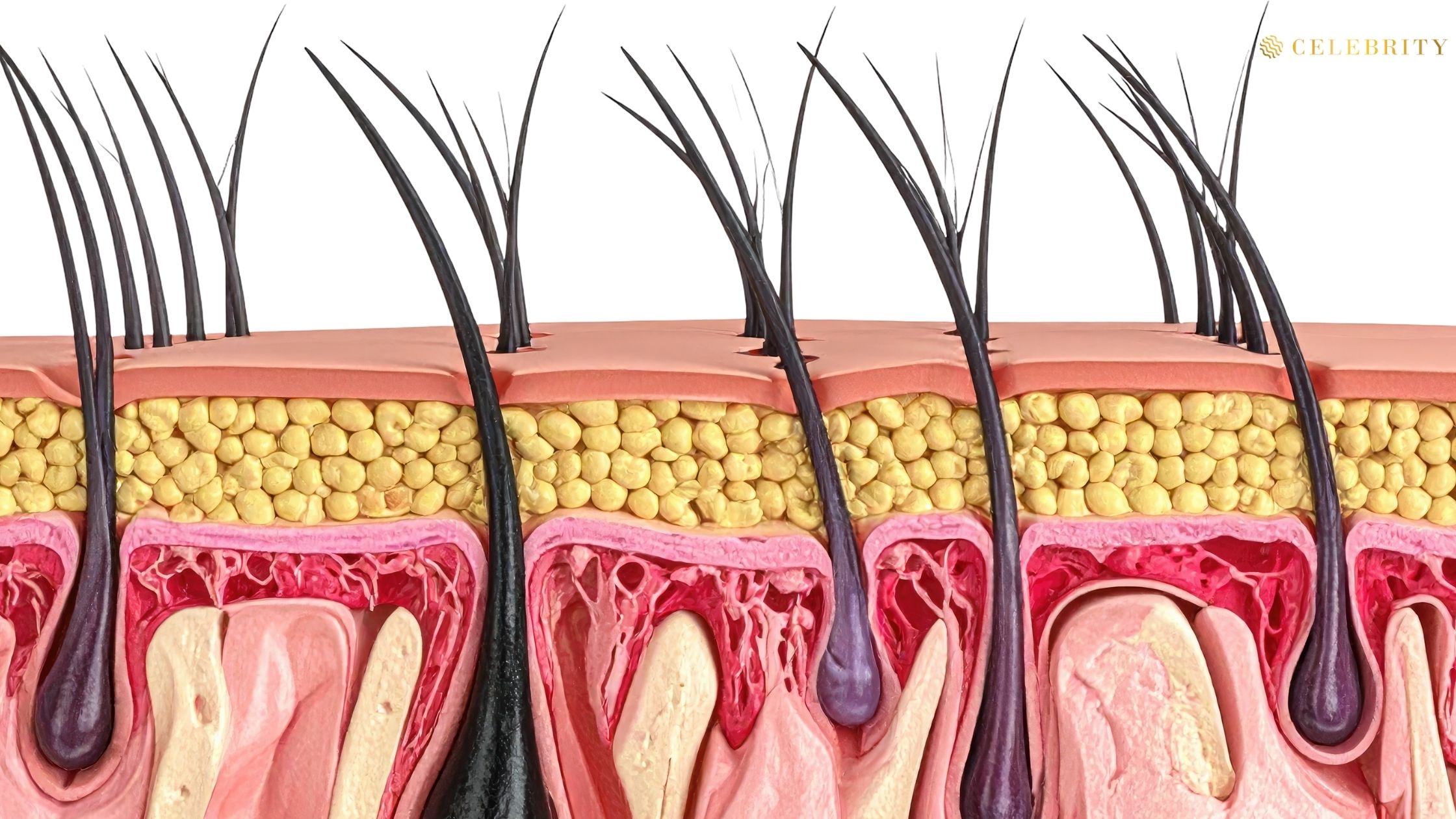 res in the skin that produce and grow hair. Laser hair removal works by emitting concentrated light energy that is absorbed by the pigment in the hair follicle. This energy heats and destroys the follicle, preventing further hair growth without harming the skin’s surface or deeper layers.
Laser Hair Removal Process
Here’s how laser hair removal typically works, customized to your unique needs and goals, ensuring an effective and personalized treatment plan that delivers optimal results tailored just for you:
1. Consultation: A trained technician assesses your skin and hair type, tailoring the treatment to your needs.
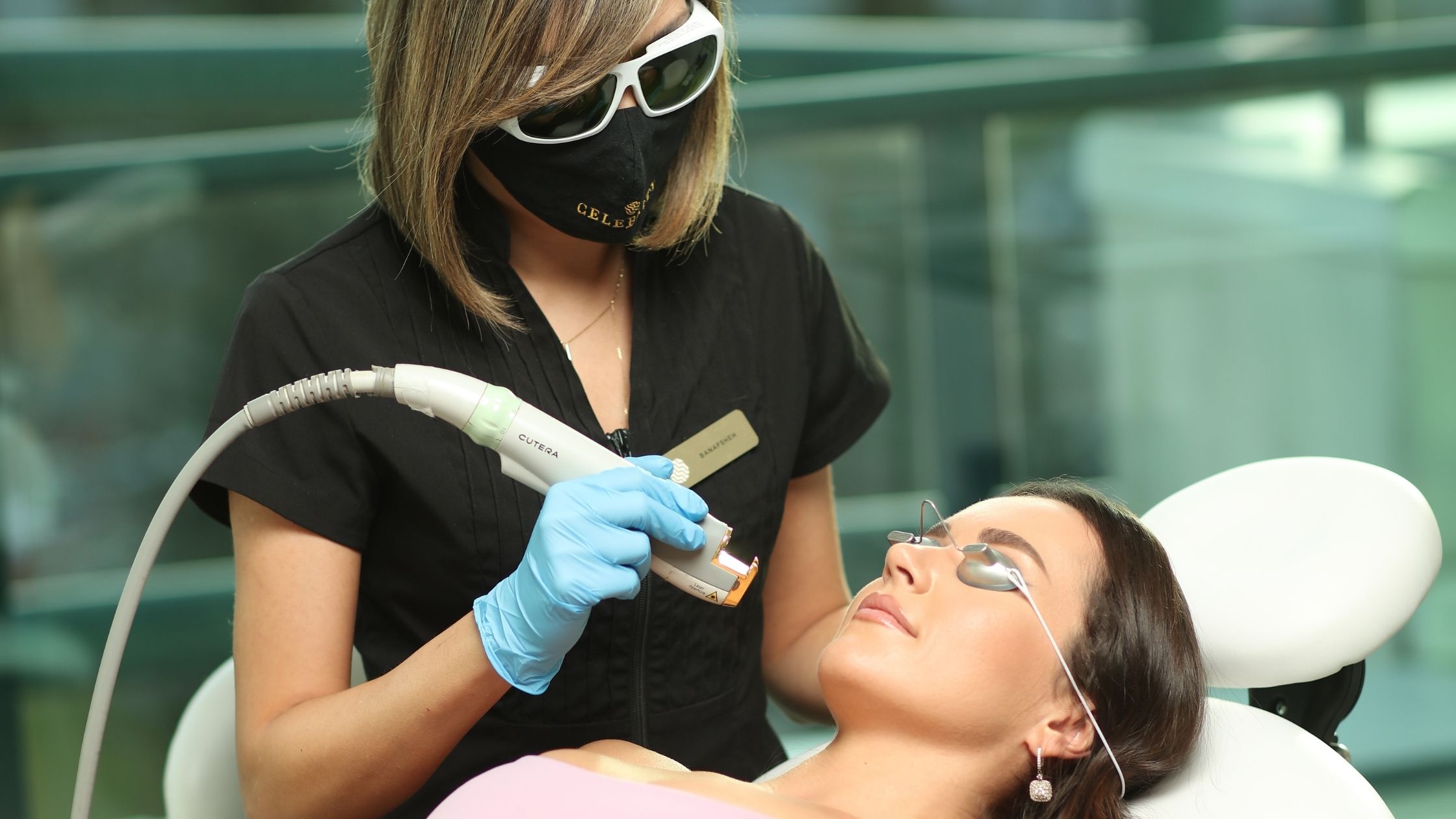
2. Treatment: During the procedure, the laser is applied to the targeted areas. You may experience some mild discomfort due to the heat.
3. Aftercare: After the session, you may notice redness or slight irritation, but this usually subsides quickly.
Laser hair removal is a straightforward procedure that doesn’t require downtime, making it a convenient option for long-term hair reduction.
Common Side Effects of Laser Hair Removal
While laser hair removal is generally safe, there are some common side effects. These are usually temporary and non-cancerous.
➤ Redness and Irritation: After treatment, mild redness and irritation in the treated area are common. These symptoms usually subside within a few hours. To reduce discomfort, your provider may apply a numbing cream before treatment. If irritation persists, consult your doctor.
➤ Pigmentation Changes: Temporary changes in skin colour may occur. Lighter skin may experience dark spots, while darker skin may develop lighter areas. These changes are usually temporary and should not be a cause for concern.
Rare but Possible Risks
Laser hair removal is generally safe when performed by trained professionals, but a small number of uncommon side effects can still occur. These reactions are typically mild, short-lived, and manageable with proper aftercare. Importantly, none of these risks are linked to cancer or long-term health concerns.
At our North Vancouver clinic, we tailor laser settings to your skin type to reduce these rare risks even further.
Scarring and Blistering
Scarring or blistering can occur when laser settings are too aggressive or when skin is highly sensitive. Blisters may develop from excess heat, and scarring can result from damage to deeper skin layers. With correct device calibration and appropriate post-treatment care, these effects are rare and usually temporary.
Crusting and Texture Changes
In some cases, the skin may develop rough patches, dry crusting, or uneven texture as it heals, especially in individuals with darker skin tones or heightened sensitivity. These effects typically fade with gentle skincare and don’t require medical treatment unless symptoms persist.
Greying of Treated Hair
Occasionally, treated hair may lose pigment and turn grey, especially in darker skin types or coarse hair. While unexpected, this change is cosmetic and poses no risk to your overall health. It does not interfere with the treatment’s safety or effectiveness.
Excessive Hair Growth or Paradoxical Hypertrichosis
A rare phenomenon known as paradoxical hypertrichosis can cause new or thicker hair to appear near the treated area, rather than reducing growth. This is more common in darker skin types and may be related to hormonal imbalances or incorrect energy settings. While unexpected, this condition is reversible and can often be corrected with adjusted treatment protocols.
Is laser hair removal safe for the thyroid?
Yes, laser hair removal is safe for people with thyroid conditions, including hypothyroidism. The laser targets only hair follicles in the outer skin layer and does not affect internal organs like the thyroid.
There is no evidence linking laser hair removal to thyroid damage or cancer. Even those on medications such as levothyroxine can safely undergo treatment, and many people with thyroid issues choose laser hair removal to manage hormone-related hair growth.
Is laser hair removal safe during pregnancy?
Due to limited research, laser hair removal is generally not recommended during pregnancy. While the procedure targets only the skin’s surface, there’s no conclusive evidence on its effects on the fetus.
As a precaution, most professionals advise postponing treatments until after childbirth. Always consult your healthcare provider before undergoing any cosmetic procedure during pregnancy.
Can laser hair removal cause infertility?
No, laser hair removal cannot cause infertility. The treatment affects only surface-level hair follicles and doesn’t reach reproductive organs.
There is no scientific evidence linking it to fertility issues. Still, if you’re actively trying to conceive, it’s wise to discuss any concerns with your doctor beforehand.
Conclusion
While temporary side effects like redness or pigmentation changes may occur, these are mild and non-cancerous. For optimal safety, always choose a reputable clinic with trained professionals.
At Celebrity Laser, we are committed to your safety and providing effective results. Now that you know the facts, you can make an informed decision about laser hair removal with confidence. Book your consultation now and take the first step towards smooth, hair-free skin!