At a Glance:
- Morpheus8 is often preferred when texture, fine lines, pores, or mild tightening are the primary concern.
- Ultherapy is typically chosen for deeper tightening and subtle lifting of the jawline and neck.
- If your main goal is surface refinement and skin quality → consider Morpheus8.
- If your main goal is structural tightening and lift → consider Ultherapy.
The right decision comes from matching the technology to your specific concern, not choosing based on trend alone.
When comparing Morpheus8 vs Ultherapy, it’s important to know that although both are popular non-surgical skin tightening treatments, Morpheus8 combines radiofrequency with microneedling, while Ultherapy uses focused ultrasound to target deeper support structures beneath the skin.
Most patients researching these treatments are noticing early to moderate jawline softening, mild jowls, or neck laxity. They want firmer skin and better definition, but are not ready for surgery. The “better” option depends on your level of laxity, age, whether your main goal is lifting or improving texture, how much downtime you can tolerate, and your budget.
Why People Compare Morpheus8 and Ultherapy for Skin Tightening
Patients often compare Morpheus8 and Ultherapy after noticing gradual changes in their appearance. They may notice a loss of jawline definition, reduced neck firmness, and fine lines where makeup settles. Subtle drooping can also become more noticeable in certain lighting or candid photos.
These concerns are related to collagen and elastin loss, which begins in our 30s. The body produces less collagen each year, and elastin fibres weaken, leading to surface changes and mild sagging in the lower face and neck.
Dermal fillers are often considered for specific concerns. Still, they primarily restore volume and enhance contour rather than tighten loose skin. If skin laxity is the main issue, adding volume alone may not provide the desired lift.
Many patients hesitate to undergo surgical facelifts due to concerns about recovery time, downtime, cost, and the fear of looking unnatural. Consequently, they often explore non-surgical facelift options such as Morpheus8 and Ultherapy, which offer different ways to address skin laxity without surgery.
Morpheus8 vs Ultherapy: What’s the main difference?
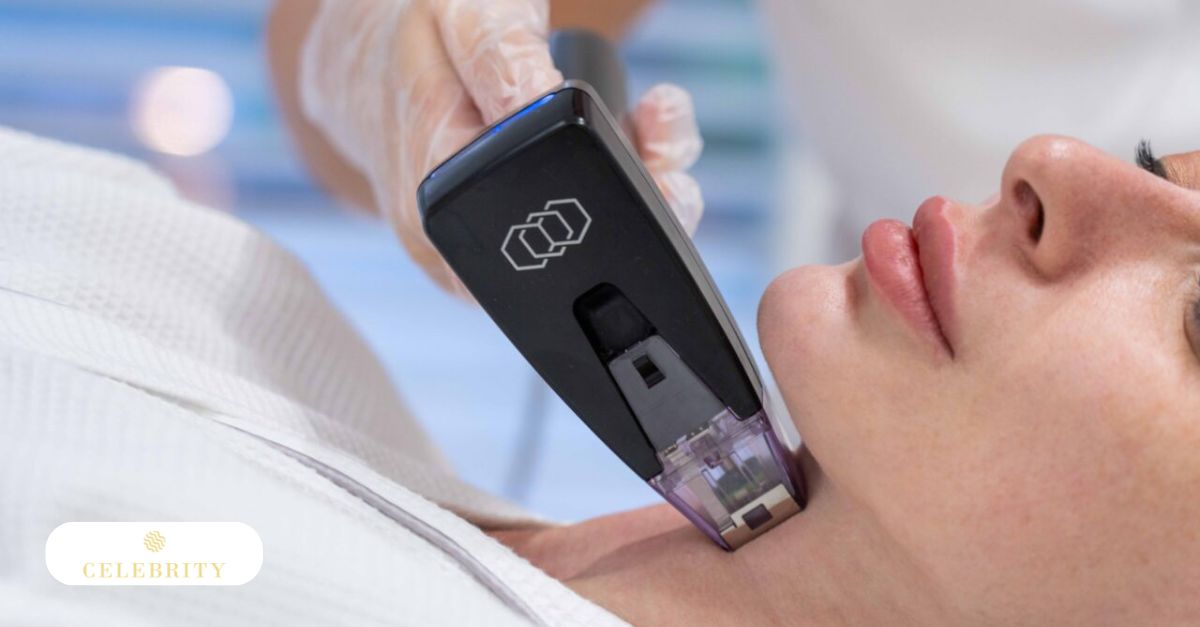
The primary difference between Morpheus8 and Ultherapy lies in how each treatment delivers energy and which tissue layers it affects. While both aim to stimulate collagen and improve firmness, they do so through distinct mechanisms.
Morpheus8 combines microneedling with radiofrequency energy to treat the dermal layers of the skin, supporting remodelling and texture improvement. Ultherapy uses focused ultrasound to target deeper support structures beneath the skin without penetrating the surface.
Because they act at different depths and through different delivery methods, the treatments vary in recovery experience, session planning, and the type of visible improvement patients can expect. Understanding these distinctions helps clarify which approach may better align with your specific concerns.
In the following sections, we’ll examine the technology, treatment depth, session requirements, downtime, and longevity of results in more detail.
Morpheus8 vs Ultherapy Technology Type
Morpheus8 and Ultherapy differ fundamentally in how they deliver energy into the skin.
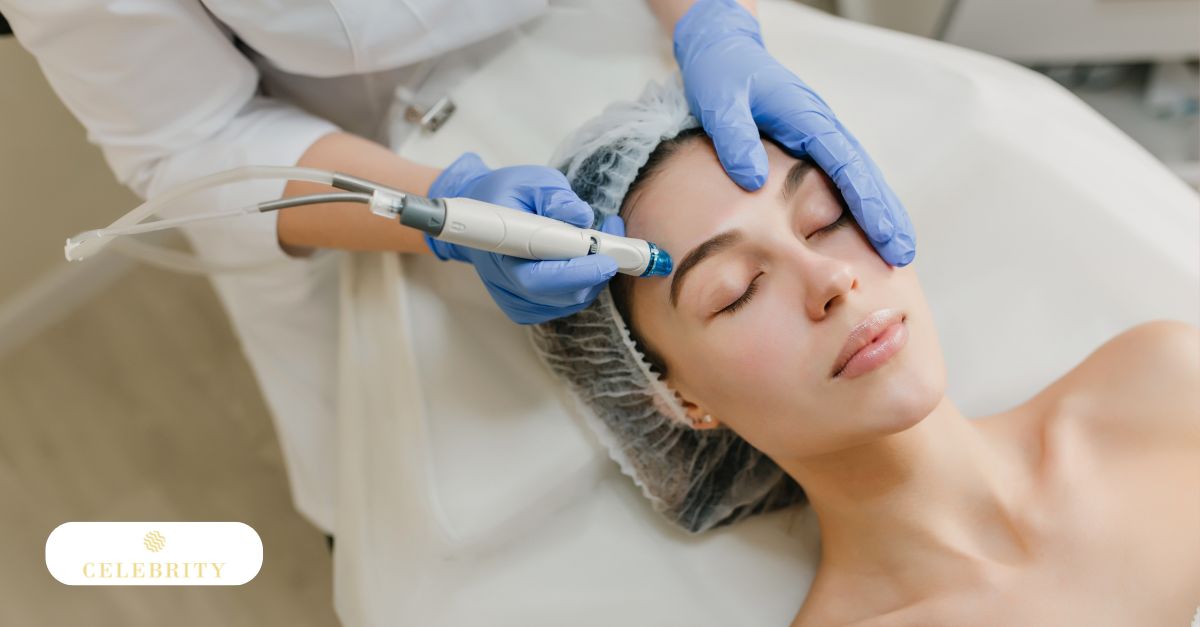
Morpheus8 uses radiofrequency (RF) microneedling. Very fine needles penetrate the skin at controlled depths, and radiofrequency energy is delivered through those needles into the dermis. The RF energy generates heat within the tissue, stimulating collagen remodelling and tightening while also affecting surface texture.
Ultherapy, in contrast, uses focused ultrasound energy. Instead of needles, it delivers concentrated sound waves beneath the skin without breaking the surface. These ultrasound waves create precise thermal points at targeted depths, triggering collagen stimulation in deeper structural layers.
The delivery method matters. Because Morpheus8 physically enters the skin with microneedles, it can directly remodel the dermal layer and influence texture, pores, and superficial laxity.
Ultherapy does not penetrate the skin surface. The energy passes through intact skin and concentrates at deeper levels. As a result, there is typically less visible surface downtime, but it does not significantly improve skin texture or scarring.
In short:
- Needles + RF (Morpheus8) → surface and mid-depth remodeling
- Focused ultrasound (Ultherapy) → deeper structural stimulation without surface disruption
Depth of Treatment: Dermis vs SMAS Layer
To understand the difference in results, it helps to understand treatment depth.
The dermis is the middle layer of the skin. It contains collagen, elastin, and supportive connective tissue that influence firmness, texture, and pore appearance. Morpheus8 primarily targets this dermal layer, stimulating collagen remodelling and tightening at controlled depths.
The SMAS layer (Superficial Musculoaponeurotic System) is a deeper structural layer that supports facial tissues. It sits below the dermis and plays a role in lifting and structural support. Ultherapy is designed to reach this deeper SMAS layer using focused ultrasound energy.
Depth influences outcome:
- Treating the dermis improves texture, fine lines, and mild tightening.
- Targeting the SMAS layer can contribute to subtle lifting and contour improvement.
However, deeper is not automatically better. If the primary concern is crepey texture, pores, or acne scarring, treating the dermis may be more appropriate. If the concern is early jawline sagging or neck laxity, deeper structural stimulation may be more relevant.
The severity of laxity helps guide depth choice. Mild surface changes may respond well to dermal remodelling. More noticeable structural softening may benefit from deeper support stimulation. The correct approach depends on matching treatment depth to the underlying issue.
How many sessions are needed for Morpheus8 vs Ultherapy?
Session planning is one of the most important differences between Morpheus8 and Ultherapy.
Morpheus8 is typically performed as a series of treatments. Many patients undergo 3 sessions spaced 4 weeks apart to build cumulative collagen remodelling.1 This staged approach allows gradual improvement in tightening and texture.
Ultherapy is often performed as a single treatment session, particularly for mild to moderate laxity. Some patients may choose maintenance treatments annually, but it is commonly marketed as a one-time procedure with results that develop over several months.
Rather than focusing only on session count, ask clinics:
- How many sessions are realistically recommended for my level of laxity?
- What results should I expect after one session vs a full series?
- Is maintenance required, and how often?
- Are follow-up photos used to track progress?
Morpheus8 vs Ultherapy Cost Comparison: What affects the price?
Cost differences between Morpheus8 and Ultherapy are based on how each treatment is structured. Morpheus8 is typically priced per session, with total costs depending on whether one or two to three sessions are recommended. In contrast, Ultherapy is priced by treatment area, often resulting in a higher upfront cost.
When assessing overall value, it’s better to consider the entire treatment plan rather than just the cost of a single session. Multiple Morpheus8 sessions may equal the cost of one Ultherapy session.
Before deciding, it is reasonable to ask: What is the total expected investment for my recommended plan, and how long do results typically last for someone with my level of laxity?
A clear explanation of total cost, expected duration, and maintenance planning provides a more meaningful comparison than per-session pricing alone.
Which treatment is more painful: Morpheus8 or Ultherapy?
Pain perception varies, but Morpheus8 and Ultherapy feel different because of how they deliver energy.
During Morpheus8 treatment, patients often feel a mix of needle sensations and internal warmth due to radiofrequency energy delivered through microneedles. A topical numbing cream is applied beforehand to reduce discomfort. Some areas, especially the jawline, may feel more intense. Post-procedure discomfort is generally mild, similar to a sunburn or tightness, lasting 24 to 72 hours. 2
Ultherapy is a non-invasive treatment that uses focused ultrasound energy, often described by patients as a deep sensation. Discomfort may occur as brief bursts of heat or pressure during the procedure. To enhance comfort, some providers offer pain relief options or use vibration techniques. After treatment, tenderness along the jawline or neck may last a few days, but the skin’s surface usually remains unaffected.
Neither treatment is considered painless. Morpheus8 involves surface disruption and controlled dermal heating, while Ultherapy delivers deeper thermal energy without visible surface injury. Individual tolerance, treatment area, and energy settings all influence the experience.
Downtime and Recovery: What You Can Do the Next Day
Downtime differs significantly between Morpheus8 and Ultherapy, largely because of surface involvement.
After Morpheus8 treatment, you may experience redness, swelling, or mild bruising for a few days, along with tight or rough skin. It’s best to avoid makeup for 24 hours, limit sun exposure, and postpone intense workouts and heat-related activities. This period is known as “social downtime.”3
In contrast, Ultherapy usually leaves the skin intact with minimal redness, allowing many to resume daily activities the same day. Some tenderness may last from a few days to weeks.
In summary, Morpheus8 involves short-term visible recovery, while Ultherapy has minimal surface changes but may cause deeper tenderness. Your tolerance for downtime should influence your choice between the two treatments.
Results Timeline: When You See Changes and When It Peaks
With Morpheus8, there may be temporary tightening immediately after treatment due to tissue response and mild swelling. However, the true improvement occurs progressively as new collagen forms and tissue remodelling takes place. Changes tend to develop gradually rather than overnight.
With Ultherapy, visible changes also take time. The treatment stimulates deeper structural layers, and lifting appears as collagen production increases over the following months. Because the skin surface is not disrupted, early visual change may be subtle.
Some patients feel disappointed in the early stages because results are not dramatic immediately after treatment. Understanding that these technologies work by stimulating natural biological processes helps set appropriate expectations.
Event Planning Guidance
If you are preparing for a wedding or important event, it is wise to plan treatment well in advance. This allows sufficient time for collagen remodelling to develop and ensures any temporary visible effects have fully resolved before your event.
How long do Morpheus8 and Ultherapy results last?
Neither Morpheus8 nor Ultherapy produces permanent results, as the aging process continues. However, both can provide sustained improvement when appropriately selected and maintained.
Longevity varies depending on:
- Age and baseline collagen quality
- Skin thickness and elasticity
- Lifestyle factors such as sun exposure
- Degree of laxity at the start
A structured maintenance plan helps preserve results as collagen naturally declines over time.
Below is a simplified comparison for clarity:
| Feature | Morpheus8 | Ultherapy |
| Technology | RF Microneedling | Focused Ultrasound |
| Primary Target | Dermal Layers | Deeper Structural Layers |
| Sessions | Typically Multiple | Often Single Session |
| Visible Downtime | Short-Term Surface Redness/Swelling | Minimal Surface Change |
| Texture Improvement | Yes | Limited |
| Lifting Effect | Mild tightening | Subtle Structural Lift |
| Maintenance | Periodic Treatments | Maintenance as Needed |
Morpheus8 vs Ultherapy for Specific Concerns
When choosing between Morpheus8 and Ultherapy, focus on your specific aesthetic goals. Matching the treatment to your primary issue, surface texture, or structural support is key to achieving effective results.
Below, we will compare how Morpheus8 and Ultherapy address common lower face and neck concerns.
Morpheus8 vs Ultherapy for Jawline and Neck Tightening
Jawline laxity gradually occurs as collagen decreases and deeper support structures weaken, resulting in a softer angle between the jaw and neck. Mild jowling may be noticeable in certain lighting or side-profile photos.
The neck has its own challenges, as its thinner skin often shows crepey texture and laxity. Some patients experience sagging from deeper structural descent, while others may have more noticeable surface thinning and texture changes.
Because of these differences, depth of treatment matters.
- For mild jawline softening, Ultherapy may be considered when structural support is the primary concern, as it targets deeper layers associated with lifting.
- For moderate laxity, candidacy depends on severity. Some patients benefit from deeper stimulation, while others may require a combination approach.
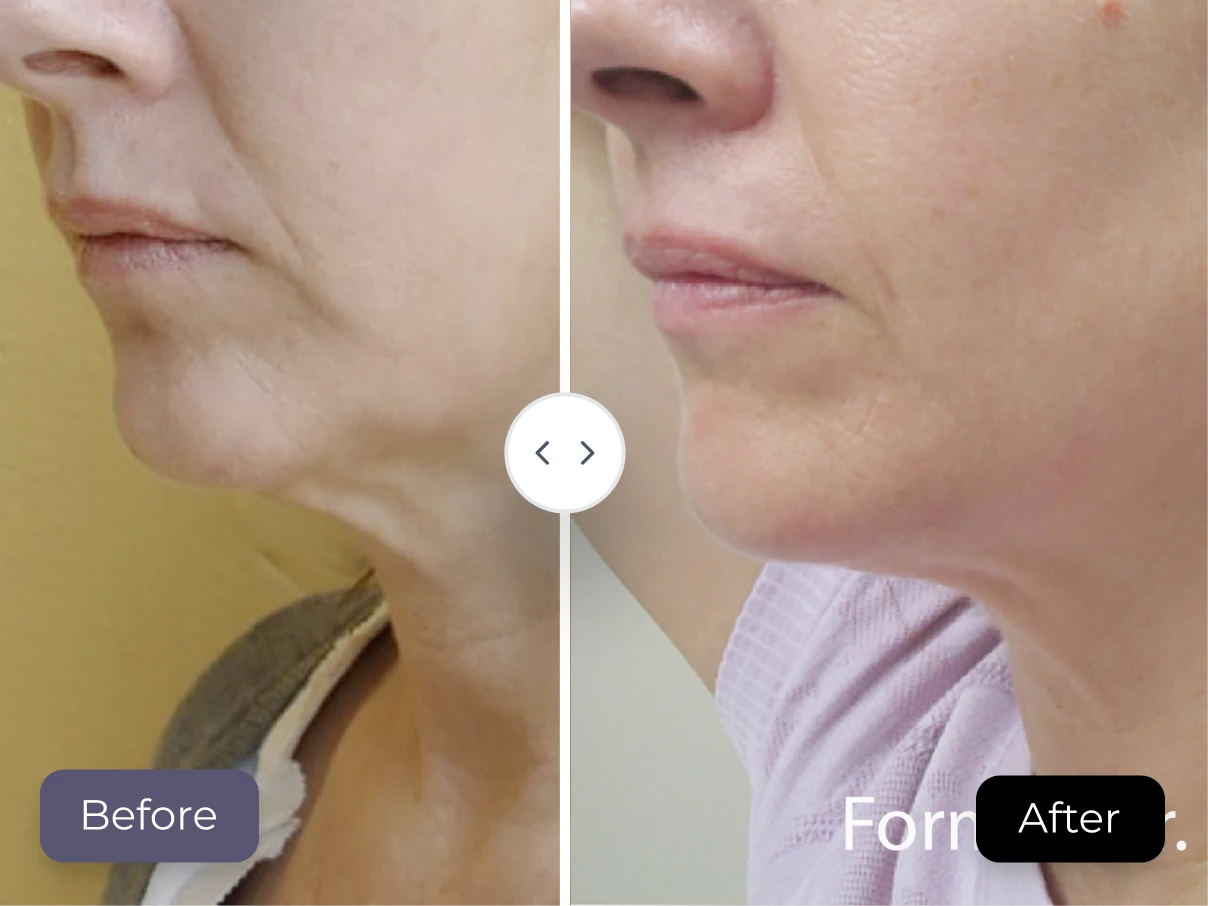
- For neck crepey skin, Morpheus8 is often considered when surface remodelling and dermal tightening are priorities, since it addresses texture in addition to firmness.
When laxity is advanced or excess skin is pronounced, surgical intervention may be more appropriate. A proper assessment helps determine whether non-surgical tightening can provide meaningful improvement or whether structural repositioning is required.
Morpheus8 vs Ultherapy for Fine Lines, Pores, and Skin Texture
When fine lines, visible pores, or crepey texture are the main concern, the difference between Morpheus8 and Ultherapy becomes more clinically relevant.
If texture and surface quality are the primary concerns, Morpheus8 typically aligns better with those goals because it directly treats the layer where those changes occur. Ultherapy is more appropriate when structural tightening is the main objective.
Improvements in fine lines and pores are gradual and modest. These treatments enhance skin quality but do not replace resurfacing procedures or surgical intervention.
Skin Texture & Acne Scars: Which improves surface quality?
Acne scars are primarily a dermal issue caused by uneven collagen formation during healing. Depressed scars, such as atrophic or rolling scars, reflect areas where structural support is reduced.
Radiofrequency microneedling is often used in acne scar management because it stimulates new collagen formation within scarred tissue. By encouraging controlled remodelling beneath the surface, the skin may appear more even over time. The degree of improvement depends on scar depth, type, and baseline skin quality.
Ultherapy is not intended for acne scar treatment. Because its energy targets deeper structural layers rather than the dermis where scars form, it does not significantly improve surface irregularities.
Patients with mild to moderate atrophic or rolling scars may see gradual improvement with RF microneedling. However, deeply tethered or severe scars may require alternative or combination therapies. Expectations should remain realistic; these treatments can improve scar appearance, but do not eliminate scars.
Keep Reading: Morpheus8 for Acne
Lifting vs Skin Tightening: Which does more?
In aesthetic medicine, “tightening” and “lifting” describe different mechanisms.
Skin tightening treatments stimulate collagen in the dermis, resulting in firmer and smoother skin that may reduce mild laxity and looseness, but it does not change facial structure.
Lifting involves elevating deeper support layers. Surgical procedures physically reposition tissues, while non-surgical devices can’t replicate this but may offer modest contour enhancement through tissue contraction and collagen stimulation.
Ultherapy targets deeper layers for subtle contouring in early laxity, while Morpheus8 improves dermal firmness and surface quality. Both treatments enhance appearance, but neither achieves the same elevation as surgery.
The key distinction is this: tightening improves skin firmness; lifting implies structural elevation. In non-surgical treatments, visible “lift” is generally conservative and natural-looking rather than dramatic.
What does a “Non-surgical lift” really mean? Setting Realistic Expectations
A non-surgical lift refers to a gradual improvement in firmness and contour without incisions. It does not remove excess skin or reposition facial structures.
Results develop progressively and are best suited to mild or moderate sagging.
Non-surgical treatments cannot:
- Eliminate significant skin redundancy
- Reposition deeper facial tissues
- Create the same magnitude of change as surgery
| Feature | Morpheus8 / Ultherapy | Surgical Facelift |
| Incisions | None | Yes |
| Tissue Repositioning | No | Yes |
| Skin Removal | No | Yes |
| Result Intensity | Conservative | Significant |
| Recovery | Minimal to Moderate | Extended |
Setting expectations around the scale of change helps patients choose the appropriate path based on severity rather than marketing language.
Which treatment is better for your age and skin type?
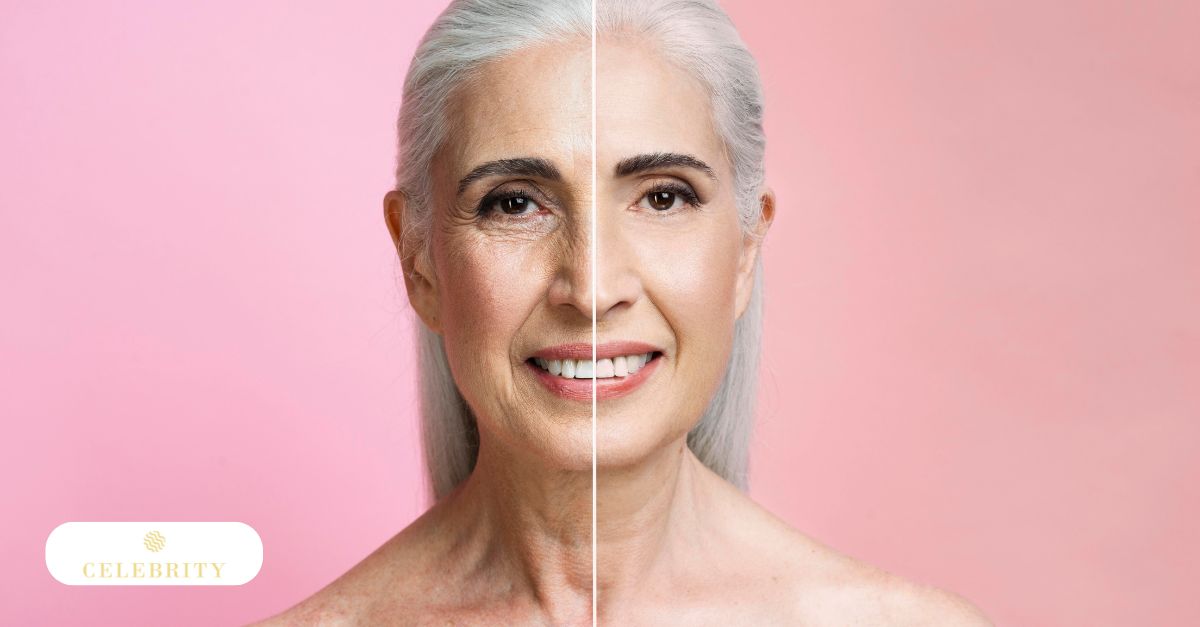
Age is just one factor in choosing between Morpheus8 and Ultherapy. The categories below can help you identify your starting point.
Best for Early 30s–40s (Mild Laxity)
In the early stages of aging, skin changes are subtle, including slight softening of the jawline, loosening of the neck, and more visible fine lines. At this stage, collagen stimulation treatments can be effective.
If you have mild laxity and issues such as enlarged pores or uneven texture, Morpheus8 may be a good option for dermal remodelling. Conversely, if your focus is on preventative structural tightening and texture isn’t a concern, Ultherapy might be better for deeper tissue stimulation.
Ultimately, your choice depends on whether you prioritize surface quality or early contour support.
Best for 40s–50s (Moderate Laxity)
As collagen loss progresses, sagging along the jawline and under the chin becomes more noticeable, with deeper structural changes contributing to laxity.
Ultherapy is a good option for restoring contour and jawline definition, while Morpheus8 is suitable for addressing skin thinning, crepey texture, and surface aging.
Patients may benefit from a combination of treatments if both skin quality and deeper support need attention.
When Skin Texture Is Also a Concern
If enlarged pores, acne scarring, uneven tone, or fine lines are prominent, Morpheus8 typically aligns better with those goals. Its energy delivery directly affects the dermal layer where texture changes occur.
Ultherapy does not significantly influence surface irregularities, as its energy bypasses the superficial skin.
When texture improvement is central to your goals, dermal remodelling generally becomes the priority over deeper structural stimulation.
When Deeper Lifting Is the Priority
If your main concern is contour softening rather than surface quality, focus on deeper structural support. Ultherapy delivers focused ultrasound energy at multiple depths, including the deeper structural layers associated with tissue support. In appropriate candidates, this may contribute to modest contour improvement over time.
Clearly identifying whether your issue is surface-based or structural will help you make a more informed choice.
Can Morpheus8 or Ultherapy replace a facelift?
Morpheus8 and Ultherapy are non-surgical lifting treatments that improve collagen and skin firmness but do not remove loose skin or reposition facial tissues as a facelift does. They are best for mild to moderate skin laxity, such as early jawline softening or subtle neck looseness.
Surgical options are typically needed for pronounced sagging, excess skin, or significant descent of the lower face. Morpheus8 enhances dermal thickness and provides mild tightening, while Ultherapy targets deeper layers for subtle contour refinement.
These treatments yield gradual and moderate improvements and do not offer the dramatic results seen with surgery. For those in early aging stages, they can maintain firmness and delay the need for surgical intervention.
It’s crucial to align treatment expectations with the severity of the condition. Non-surgical options may be suitable for subtle tightening, but advanced laxity usually requires a surgical evaluation. A thorough assessment can help clarify which option is best for you and manage expectations.
Can you combine Morpheus8 and Ultherapy for better results?
Because Morpheus8 and Ultherapy act at different tissue depths, some patients benefit from using them in a staged plan. Ultherapy primarily targets deeper support structures, while Morpheus8 focuses on dermal remodelling and surface refinement. When both contour firmness and skin quality are concerns, addressing multiple layers may create a more balanced outcome.
Combination treatment is typically considered for individuals showing both early descent and visible texture changes. The treatments are usually spaced apart to allow tissue response and collagen remodelling before layering another modality. The sequencing and timing should always be personalized after a clinical assessment.
If your concern is limited to one layer, either structural contour or surface quality, a single modality may be sufficient.
Who is a good candidate for Morpheus8?
Morpheus8 is most appropriate for patients whose goals include improving skin texture along with tightening. It is commonly selected by individuals concerned about pores, fine lines, crepey skin, or acne scarring in addition to early firmness changes.
It may not be ideal for individuals who require no visible recovery time or who prefer entirely needle-free procedures. It is also less suited for those seeking pronounced structural lifting rather than gradual tightening and texture refinement.
Who is a good candidate for Ultherapy?
Ultherapy is typically chosen by patients focused primarily on deeper contour improvement without the need for surface resurfacing. It appeals to those who prefer a non-needle treatment and minimal visible skin disruption.
Since it does not significantly change texture, it is better aligned with patients who are satisfied with their skin surface but want improved firmness beneath it.
How to Choose Between Morpheus8 and Ultherapy in North Vancouver
Choosing between Morpheus8 and Ultherapy should not be based on marketing claims alone. A proper decision requires a clinical assessment of your skin quality, laxity level, and treatment goals.
In North Vancouver, look for providers who demonstrate:
- Formal training and hands-on experience with energy-based devices
- A thorough in-person skin and laxity assessment
- Standardized before-and-after photography for tracking progress
- Clear explanation of expected results and limitations
- Transparent discussion of discomfort and downtime
- A personalized plan rather than a one-size-fits-all recommendation
A reputable clinic should also explain why one treatment is more appropriate than the other for your specific anatomy. If a consultation skips assessment or overpromises dramatic lifting, that is a red flag.
The goal is alignment between your expectations, your degree of laxity, and the technology being used.
Morpheus8 at Celebrity Laser & Skin Care in North Vancouver
At Celebrity Laser & Skin Care in North Vancouver, Morpheus8 treatments begin with a detailed consultation to evaluate skin laxity, texture concerns, and overall facial structure.
Treatment plans are individualized rather than standardized. Depending on your goals, Morpheus8 may be used alone or as part of a combination strategy when appropriate.
The clinic utilizes advanced technology and follows structured safety protocols designed for controlled energy delivery and consistent outcomes. Clear communication about recovery, expected results, and maintenance planning is part of the consultation process.
If you are considering Morpheus8 in North Vancouver, a professional assessment helps determine whether it aligns with your skin condition and long-term goals. To receive a personalized evaluation and discuss appropriate treatment options, schedule a consultation at Celebrity Laser & Skin Care.