At a Glance:
To prevent peeling after a sunburn, hydrate well, use sunscreen, and apply gentle, moisturizing skincare. Aloe vera and cold compresses can soothe and speed up healing. Avoid picking at peeling skin, as it can cause irritation and scarring. Let your skin naturally shed for smoother, healthier recovery, and protect it from future sunburns.
Sunburn peeling is a common issue caused by excessive sun exposure. While it’s a natural response to skin damage, it can be prevented with the right steps. Desquamation, or peeling, occurs during the renewal of skin cells, with sunburns amplifying this effect. This causes larger numbers of dead skin cells to shed, much like a snake shedding its skin.
While sunburns are the most common cause of peeling, allergic reactions, and conditions like psoriasis can also contribute. With proper care, peeling can be minimized, and healing can be more effective.
Why does skin peel after a sunburn?
Sunburn occurs when your skin is exposed to harmful ultraviolet (UV) rays, which damage the skin cells. The skin reacts to this damage by shedding the outer layer of cells, resulting in peeling. This process is part of the body’s natural healing mechanism.
At the cellular level, the UV radiation causes skin cells to die. As the body works to repair the damage, the damaged skin cells are pushed off, leading to the visible peeling. Understanding this damage is key to preventing it in the future.
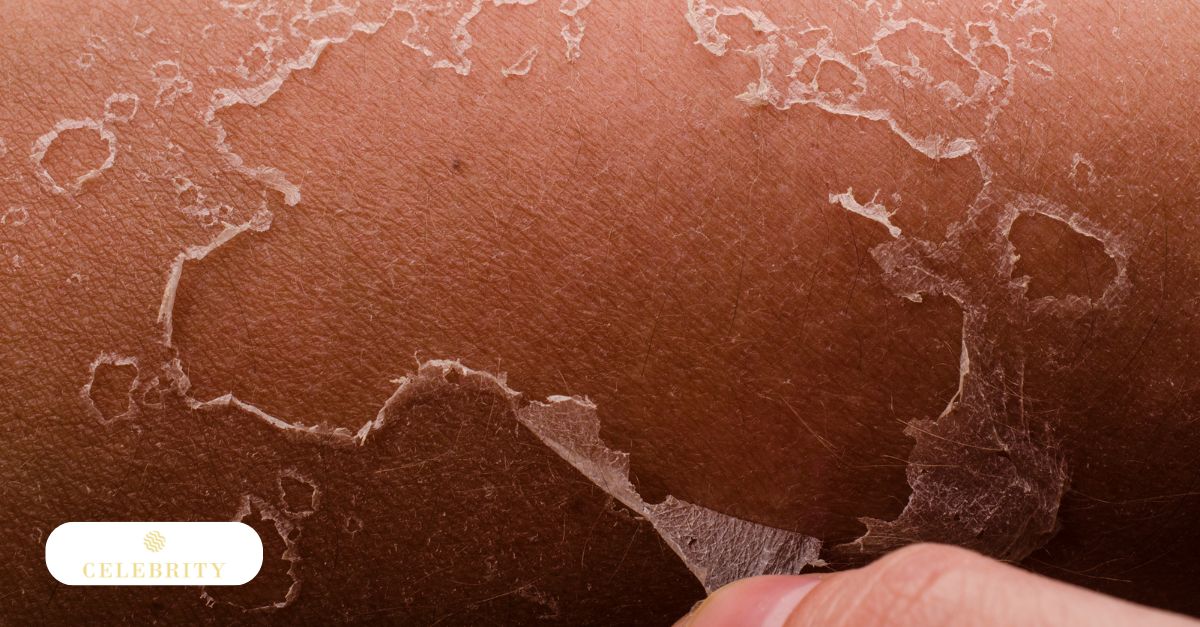
The Common Reasons for Skin Peeling
Peeling can be a result of several lifestyle factors that contribute to skin damage. These include:
Not Hydrating: Dehydrated skin is more prone to peeling after sun exposure. When the skin lacks sufficient moisture, it becomes dry and cracked, making it more likely to shed. Staying well-hydrated by drinking plenty of water and using hydrating skincare products can help maintain skin elasticity and prevent excessive peeling.
Not Using Sunscreen: Sunburn occurs when sunscreen isn’t applied properly or at all, leading to skin damage from UV rays. Without adequate protection, your skin becomes more vulnerable to burning and peeling. Always use a broad-spectrum sunscreen with SPF 30 or higher to protect your skin from harmful UV radiation and prevent peeling.
Harsh Skincare Products: Using skincare products that are too strong for your skin after sun exposure can worsen irritation and increase the risk of peeling. Ingredients like alcohol, retinoids, or exfoliating agents can strip the skin of its natural barrier, causing it to become more sensitive. Choose gentle, hydrating products to support healing and prevent further damage.
While sunburn is the most common cause of peeling, other conditions can also contribute to skin shedding. These include immune system dysfunction, viral, bacterial, or fungal infections, dry skin from frequent hand-washing friction, and skin sensitivities to products such as retinol or vitamin C.
Certain rare skin conditions, like exfoliative keratolysis (which causes peeling on the palms or soles) and acral peeling skin disease, may also lead to widespread peeling. Additionally, cancer and its treatments can cause skin changes that result in peeling.
What are the symptoms of sunburn?
Before peeling begins, it’s essential to recognize the early signs of sunburn:
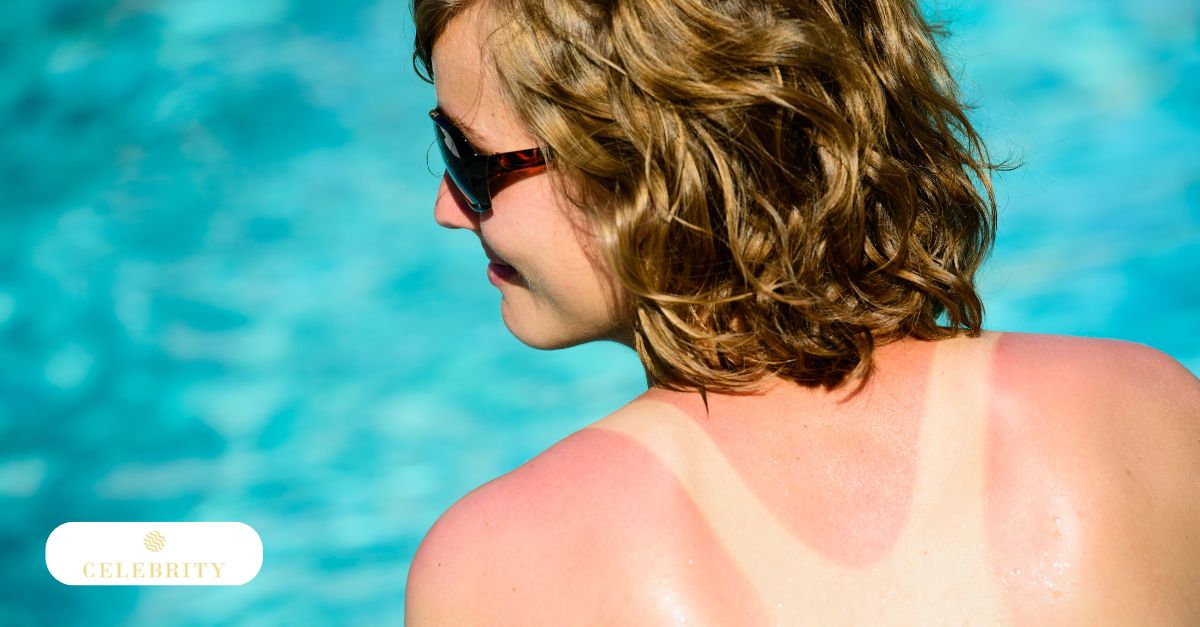
- Redness: Skin becomes red and inflamed, indicating damage from UV exposure. This redness is a sign that your skin is reacting to the sunburn and is in the process of inflammation.
- Swelling and Heat: Affected skin may feel warm to the touch and appear swollen. This is a natural inflammatory response, as blood flow increases to the area in an effort to repair the damage caused by sun exposure.
- Pain or Sensitivity: Sunburned skin often feels tender or painful when touched. This sensitivity results from inflammation and irritation as the skin begins to heal from the UV damage.
These symptoms can help you identify the severity of the sunburn, which will influence your care routine.
How to Prevent Skin from Peeling After Sunburn
Preventing skin from peeling begins with proper sunburn care. Here are some practical tips to help minimize peeling:
Use a Moisturizing Lotion or Cream
Moisturizing is essential for maintaining hydration and preventing further dryness in sunburned skin. Apply a fragrance-free, non-oil-based moisturizer immediately after sun exposure to help soothe, repair, and lock in moisture, aiding in the skin’s recovery and reducing the likelihood of peeling.
Apply Aloe Vera Gel on Sunburned Areas
Aloe vera is renowned for its cooling and anti-inflammatory properties, making it an ideal remedy for soothing sunburned skin. It helps reduce inflammation, alleviate redness, and calm irritation, promoting faster healing and providing relief from the discomfort caused by sunburn.
Let Your Skin Peel Naturally
Resist the temptation to pick or rub the peeling skin, as this can cause further irritation, delay healing, and lead to scarring. Allow the skin to naturally shed as part of its healing process, which will help maintain the skin’s integrity and promote a smoother recovery.
Use a Cold Compress to Cool Your Skin
To reduce discomfort and ease the burning sensation, apply a cold compress to the sunburned area. The cold temperature helps to soothe inflammation, reduce redness, and provide immediate relief. Taking cold showers or baths can also help calm your skin and prevent it from becoming overly irritated.
Stay Indoors and Avoid Touching the Burn
After a sunburn, it’s crucial to avoid further sun exposure to prevent additional skin damage. Stay indoors to let your skin recover, and refrain from touching, scratching, or rubbing the affected area, as this can increase irritation and raise the risk of infection or further complications.
Wear Loose Clothing
Tight clothing can rub against sunburned skin, exacerbating irritation and discomfort. Go for loose, breathable, and comfortable clothing that doesn’t press on or rub against the burn, allowing the skin to heal without additional friction or irritation.
How long does sunburn take to heal?
The healing time for sunburn depends on its severity and the extent of skin damage. Mild sunburns typically heal within a few days to a week, with symptoms like redness and tenderness subsiding in that time. Proper care during this period, such as moisturizing and staying hydrated, can speed up recovery.
However, more severe burns, which involve deeper skin layers, may take up to two weeks to heal completely. In these cases, the skin may also appear swollen, blistered, and more sensitive.
If the burn is accompanied by blisters, intense pain, or signs of infection, it’s essential to consult a healthcare provider for proper treatment and to prevent further complications. Delaying medical attention can lead to long-term skin damage or disease.
What is the best lotion for peeling skin after a sunburn?
When selecting a lotion for peeling skin, it’s important to choose products that are:
- Non-comedogenic: These lotions are formulated to prevent pore blockages, helping to avoid breakouts and irritation on sunburned skin.
- Fragrance-free: Products without added fragrances are less likely to cause irritation or allergic reactions, which is crucial for sensitive, sunburned skin.
- Moisturizing: Look for lotions that contain hydrating ingredients such as glycerin or hyaluronic acid, which help to replenish moisture and support the skin’s healing process.
Avoid lotions that contain alcohol or other harsh chemicals, as these can dry out your skin further, worsening peeling and irritation.
Short-Term and Long-Term Effects of Excessive Sun Exposure
Excessive sun exposure has both short-term and long-term effects. In the short term, sunburn can cause discomfort and peeling. Over time, repeated sunburns can lead to:
- Pigmentation Issues: Prolonged sun exposure can cause dark spots, uneven skin tone, and hyperpigmentation due to increased melanin production.
- Premature Aging: UV rays break down collagen and elastin in the skin, leading to wrinkles, fine lines, and sagging over time.
- Skin Cancer Risk: Continuous exposure to harmful UV rays can damage skin cells, increasing the likelihood of developing skin cancer, including melanoma.
Protecting your skin today can prevent these long-term issues.
Conclusion
Taking care of your skin after sunburn is crucial to prevent peeling and promote faster healing. Follow the tips outlined above to reduce the likelihood of peeling, and always prioritize sun protection to prevent future sunburns. The earlier you care for your skin, the better the results will be in maintaining healthy skin.
Prevention starts with proper hydration, sunscreen use, and gentle skincare products. If peeling does occur, allow the skin to naturally shed, avoid harsh treatments, and use soothing remedies like aloe vera and moisturizers to help your skin recover. By incorporating these practices, you can help your skin heal effectively and avoid long-term damage.
If you’re struggling with sunburn or skin peeling, book a consultation with our skincare experts today. Get personalized advice and treatments to help your skin heal and stay healthy. Don’t wait, as your skin deserves the best care!