Resveratrol in Skincare: How It Protects, Soothes, and Rejuvenates Skin
At a Glance:
Resveratrol is a potent antioxidant that helps protect skin from aging, boosts collagen production, and reduces inflammation. It’s ideal for sensitive, aging, and acne-prone skin. You can incorporate it into your routine through serums, creams, or supplements. Whether you’re targeting wrinkles, redness, or dryness, resveratrol can be a powerful addition to your skincare regimen.
Resveratrol, a naturally occurring polyphenol found in grapes, berries, and red wine, has become a popular ingredient in skincare due to its powerful antioxidant properties. This compound has been studied extensively for its ability to protect the skin from aging, promote collagen production, and combat oxidative stress.
As research continues to unfold, resveratrol benefits for skin are becoming more recognized, helping to maintain youthful, radiant skin. In this blog post, we will cover the science behind resveratrol, its benefits for skin health, and how to incorporate it into your skincare routine.
We will also compare resveratrol for skin to other popular skincare ingredients, explore its potential side effects, and answer frequently asked questions.
What does resveratrol do for skin?
Resveratrol is a polyphenolic antioxidant that neutralizes free radicals and reduces oxidative stress within the skin cells. This action helps prevent premature aging, skin damage, and conditions such as pigmentation.
How Resveratrol Works for the Skin:
➤ Protection from Oxidative Damage: By neutralizing free radicals, resveratrol helps to reduce oxidative stress on skin cells, which can lead to aging and damage.
➤ Collagen Synthesis: Resveratrol promotes the synthesis of collagen, a vital protein responsible for skin structure and elasticity. This can help improve skin firmness and reduce the appearance of fine lines.
➤ Anti-inflammatory Action: Resveratrol has anti-inflammatory effects, which can help reduce skin redness and irritation.
➤ Protection from Sun Exposure: Certain studies suggest that resveratrol can offer some protection against UV-induced damage, including pigmentation and collagen breakdown.
What is resveratrol?
Resveratrol is a type of polyphenol found in several plants, especially in the skin of grapes, red wine, and various other foods. As a powerful antioxidant, it helps combat oxidative stress caused by free radicals and provides anti-inflammatory benefits to the skin.
Sources of Resveratrol:
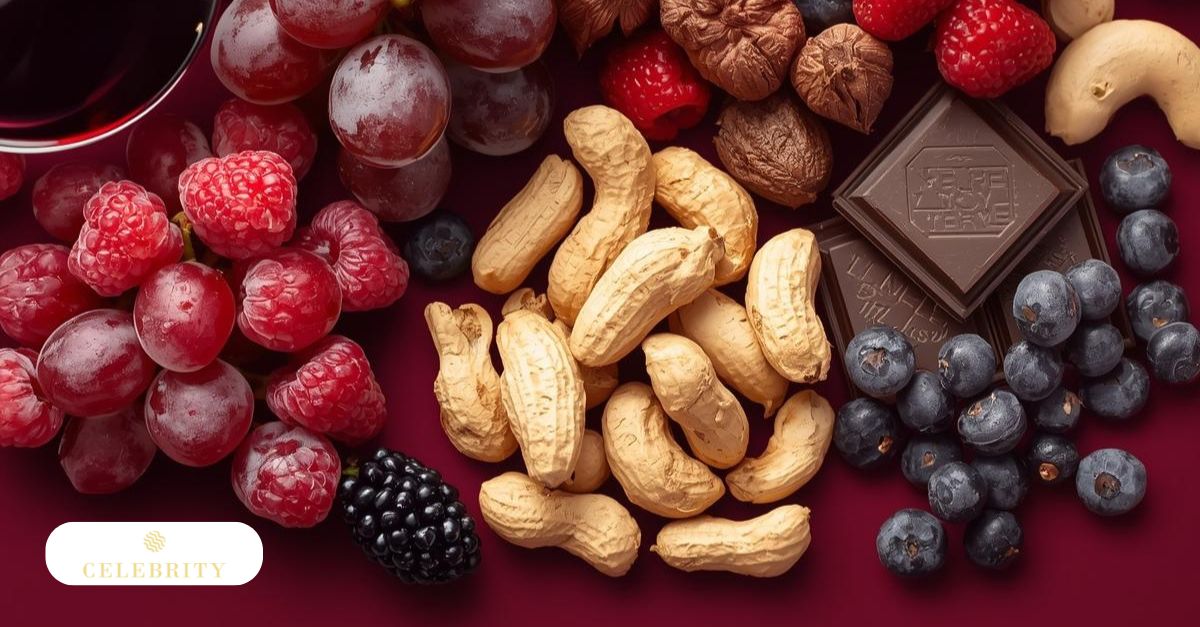
- Grapes: The skin of red grapes is the richest source of resveratrol.
- Red Wine: Red wine is widely known for its resveratrol content, although it should be consumed in moderation to avoid alcohol-related health risks.
- Berries: Blueberries, raspberries, and cranberries contain moderate levels of resveratrol.
- Peanuts and Dark Chocolate: Both peanuts and dark chocolate (with a higher cocoa percentage) are also sources of resveratrol.
While resveratrol can be obtained from dietary sources, it is also available in topical skincare products and supplements. Always consult a healthcare provider regarding proper dosages of supplements and potential interactions with medications.
Resveratrol Skin Benefits
Resveratrol offers numerous benefits for skin health, primarily due to its antioxidant and anti-inflammatory properties.
Reduces Signs of Aging
Resveratrol helps stimulate collagen production, which is essential for improving skin structure and elasticity. By preventing collagen breakdown, it supports a firmer, smoother complexion and can effectively reduce the appearance of fine lines and wrinkles, helping maintain youthful-looking skin.
Soothes Redness & Inflammation
Thanks to its powerful anti-inflammatory properties, resveratrol is highly effective in calming irritated skin. It helps to reduce redness and inflammation, making it beneficial for conditions like rosacea, eczema, or other forms of sensitive or reactive skin, offering soothing relief and balance.
Boosts Hydration in Dry Skin
When applied topically, resveratrol helps the skin retain moisture, making it especially useful for dry and dehydrated skin types. This moisture retention not only improves the overall texture but also leaves the skin feeling smoother, plumper, and more hydrated, with a healthier glow.
Protects Against Environmental Stressors
Resveratrol acts as a protective shield against environmental aggressors like pollution and UV radiation, both of which contribute to premature aging. It also plays a key role in repairing damage caused by these stressors, reducing the long-term effects on the skin’s health and appearance.
What are the uses of resveratrol?
Resveratrol can be used both topically in skincare products and as a dietary supplement. While the effects of topical resveratrol are more immediate, nutritional sources provide long-term health benefits.
Topical Skincare Products
Serums and creams formulated with resveratrol are designed to directly target and address specific skin issues, such as wrinkles, redness, and uneven skin tone, providing more immediate visible improvements with regular use.
Dietary Supplements
Resveratrol supplements support skin health from within by increasing antioxidant levels and promoting overall skin function. However, they tend to work more gradually compared to topical treatments and require longer use to show noticeable results.
Functional Foods
Consuming foods rich in resveratrol, like grapes, berries, and dark chocolate, offers additional skin benefits. These foods provide a natural source of antioxidants that help protect the skin and maintain its health over time.
Who can benefit from resveratrol in skincare?
Resveratrol is beneficial for a wide range of skin types and concerns. It is beneficial for:
Aging Skin
Resveratrol’s ability to stimulate collagen production helps improve skin elasticity and firmness, making it ideal for reducing fine lines, wrinkles, and sagging and promoting a smoother, more youthful complexion over time.
Sensitive Skin
Thanks to its powerful anti-inflammatory properties, resveratrol helps soothe and calm irritated skin, reducing redness, inflammation, and discomfort, making it particularly beneficial for those with sensitive or reactive skin conditions.
Acne-Prone Skin
While resveratrol is not a primary acne treatment, its anti-inflammatory effects can help calm the inflammation and reduce redness that often accompany breakouts, supporting overall skin health and improving the appearance of acne-prone skin.
Is resveratrol more effective than retinol?
Resveratrol and retinol are both highly effective skincare ingredients, but they work differently.
Resveratrol is an antioxidant that protects the skin from free radical damage, boosts collagen production, and helps prevent inflammation. It’s ideal for sensitive skin and for individuals concerned about sun damage. Retinol, a form of Vitamin A, is known for its ability to promote cell turnover, smooth fine lines, and improve skin texture. However, it can irritate sensitive skin.
Which should you choose?
If you have sensitive skin or are concerned about sun damage, resveratrol may be the better choice due to its gentle, anti-inflammatory properties. However, if you’re targeting fine lines, wrinkles, and texture issues, retinol could be more effective, though it may irritate some individuals, especially those with sensitive skin.
Resveratrol Compatibility with Other Ingredients
Resveratrol works well when combined with other popular skincare ingredients, including:
- Vitamin C: Both resveratrol and Vitamin C are antioxidants, and together they can provide powerful protection against oxidative damage.
- Retinol: Resveratrol can complement retinol by soothing any irritation caused by retinol’s exfoliating action.
- Niacinamide: This combination helps improve skin texture and minimize the appearance of pores.
- Hyaluronic Acid: Resveratrol pairs well with hyaluronic acid to keep the skin hydrated and plump.
What is the best form of resveratrol?
Resveratrol is available in various forms, including:
Serums
These are concentrated formulas designed for targeted application. They deliver resveratrol directly to specific areas of concern, providing quick, visible results, especially for fine lines or uneven skin tone.
Creams and Moisturizers
These are ideal for daily hydration and protection. Creams and moisturizers containing resveratrol help nourish and lock in moisture while continuously providing antioxidant protection throughout the day or night.
Supplements
Oral resveratrol supplements support skin health from the inside by boosting antioxidant levels and improving overall skin function. While supplements can be beneficial for long-term skin health, topical application tends to yield faster, more noticeable results.
The best form depends on your skin’s needs. If you want fast, targeted results, a serum is ideal. For daily use, consider a cream or moisturizer with resveratrol. Supplements are good for long-term support.
How to Use Resveratrol in Your Skincare Routine
Incorporating resveratrol into your skincare routine is straightforward and can be easily done with the right products. Here’s how to do it:
Step 1. Cleanse First: Start with a gentle cleanser to remove dirt, oil, and impurities.
Step 2. Apply Resveratrol Serum or Cream: After cleansing and toning, apply a serum or cream with resveratrol.
Step 3. Follow with Moisturizer: Seal in the benefits with a moisturizer to lock in hydration.
Step 4. Use Sun Protection: Always apply sunscreen with at least SPF 30 during the day, as resveratrol helps protect against sun-induced damage.
Step 5. Consider Weekly Masks: For added benefits, use a resveratrol mask once a week to give your skin an intensive treatment.
When using products containing this ingredient, remember to patch-test on a small area of your skin for allergic reactions.
Resveratrol Side Effects
While resveratrol is generally well-tolerated, some individuals may experience mild side effects, including:
Skin Irritation
Some users may experience mild skin irritation or redness when applying resveratrol, especially those with sensitive skin. This reaction is typically temporary, but if irritation persists, it is recommended to discontinue use and consult a dermatologist at Celebrity Laser & Skin Care.
Digestive Issues
Oral resveratrol supplements can occasionally cause mild digestive discomfort, such as diarrhea, bloating, or an upset stomach. If you experience prolonged or severe digestive issues, consider reducing the dosage or speaking with your healthcare provider for guidance.
Drug Interactions
Resveratrol may interact with certain medications, including blood thinners, antidepressants, and medicines for high blood pressure. If you are currently taking any prescription medications or have underlying medical conditions, it is essential to consult with a healthcare provider before starting resveratrol supplementation to avoid potential interactions.
Conclusion
Resveratrol is a potent ingredient that offers a range of skin benefits, from reducing signs of aging to soothing irritation and improving hydration. Whether you’re targeting fine lines, boosting collagen, or protecting against environmental stressors, resveratrol is an excellent addition to any skincare routine.
With its powerful antioxidant properties, it helps maintain youthful, radiant skin while promoting overall skin health. Ready to experience the benefits of resveratrol firsthand?
Book a consultation at Celebrity Laser & Skin Care today to explore how resveratrol and other advanced treatments can rejuvenate your skin.