At a Glance:
Wrinkles and sagging skin appear due to collagen and elastin loss, sun exposure, repeated facial movements, lifestyle habits, and genetics. Maintaining early care, consistent skincare routines, healthy nutrition, hydration, stress management, and professional guidance can significantly slow visible signs of aging and help preserve firmer, smoother skin over time.
Wrinkles and sagging skin are among the most common signs of skin aging, yet they are often misunderstood. Many people assume these changes happen suddenly or are caused by one single factor, but the reality is more complex. Skin aging develops slowly as internal changes and external influences work together over time.
Understanding what causes wrinkles and sagging skin requires looking at how multiple biological and environmental factors interact over time. Aging, sun exposure, facial movement, lifestyle habits, gravity, and genetics each influence the skin differently, leading to changes in texture, firmness, and structure. This explanation is intended to provide clear, factual insight without overstating concerns.
Why does aging cause wrinkles and sagging skin?
Skin is supported by a layered structure that changes gradually with age. In youth, collagen, elastin, and natural oils keep skin smooth, firm, and flexible. Over time, the skin’s ability to produce and maintain these components slows down.
Structural changes that occur with age:
- Collagen levels decline, reducing skin strength
- Elastin fibres weaken, limiting skin’s ability to snap back
- Skin becomes thinner, making lines more visible
- Cell turnover slows, affecting texture and tone
Wrinkles tend to form at the surface as the skin loses smoothness, while sagging develops deeper, when the skin no longer has enough support to hold its shape. These changes are natural and expected, but their timing and severity vary widely.

Wrinkles vs Sagging Skin: What’s the Difference?
Wrinkles and sagging skin are related, but they are not the same process.
| Feature | Wrinkles | Sagging Skin |
| Primary Cause | Loss of Skin Smoothness | Loss of Structural Support |
| Skin Layer Affected | Surface and Upper Dermis | Deeper Dermis, Fat, and Connective Tissue |
| Appearance | Lines, Creases, Folds | Drooping or Heaviness |
| Common Areas | Forehead, Eyes, Mouth | Jawline, Cheeks, Neck |
| Can Appear Alone | Yes | Yes |
Some people notice wrinkles years before sagging appears. Others experience facial sagging with relatively few surface lines. Understanding the difference helps explain why certain treatments target movement, while others address volume or skin depth.
Loss of Collagen and Elastin: A Major Cause of Wrinkles and Sagging
Collagen and elastin play a central role in keeping skin smooth, firm, and well supported. Collagen provides strength and structure, helping the skin resist folding, while elastin allows the skin to stretch and return to its original shape after movement. Together, they form the internal framework that supports youthful-looking skin.
As collagen and elastin production slows with age, the skin becomes less firm and less able to maintain its shape. Facial volume loss adds to this change. When underlying fat pads gradually shrink or shift, the skin loses structural support, making wrinkles more visible and sagging more pronounced.
The effects of this loss are seen in several ways. Fine lines deepen into wrinkles, skin feels less firm to the touch, facial contours soften, and sagging becomes more noticeable over time. These changes often begin earlier than expected, even though visible signs may not appear until later.
How does sun damage cause wrinkles and sagging skin over time?
Sun exposure is one of the most significant external causes of skin aging. Ultraviolet (UV) rays penetrate the skin and break down collagen and elastin more quickly than natural aging alone. Over time, this weakens the skin’s structural support, making it less firm and less able to maintain a smooth surface.
Unlike natural aging, which happens gradually from within, sun damage accumulates quietly. The skin may appear unchanged for years, even as internal damage progresses. This delayed effect is why many people feel that wrinkles or sagging appear suddenly, even though the process began much earlier.
Long-term sun exposure contributes to:
- Earlier formation of wrinkles
- Increased skin laxity and sagging
- Uneven texture and tone
- Thinning of the skin
Environmental stressors such as air pollution and climate exposure further strain the skin barrier. When combined with UV damage, these factors increase the rate of premature aging and make structural changes more visible over time.
Do facial expressions and repeated movements cause wrinkles?
Facial movement plays a clear role in wrinkle formation. When the skin is young, it folds during expressions and returns to smoothness. As collagen and elastin decrease, those folds stop fully bouncing back.
Common expression-related areas:
- Forehead lines
- Frown lines between the brows
- Crow’s feet
- Smile lines
These wrinkles begin as dynamic lines (visible only with movement) and can become static wrinkles (visible at rest). Facial expressions do not cause sagging, but they can make wrinkles appear earlier.

What lifestyle habits cause wrinkles and sagging skin?
Daily habits influence how well skin repairs itself.
Key contributors:
- Smoking reduces oxygen and collagen supply
- Poor diet limits nutrients needed for skin repair
- Lack of sleep interferes with overnight renewal
- Chronic stress increases inflammation
- Dehydration affects skin thickness and elasticity
- Harsh skincare habits weaken the skin barrier
These factors work cumulatively. One poor habit does not age skin overnight, but long-term patterns can accelerate visible changes.
How Gravity and Facial Volume Loss Cause Skin to Sag
Gravity affects skin gradually, pulling tissues downward over time. This process is compounded by changes in the underlying facial structure, including shifts in fat pads and decreases in bone density. Even with careful skincare, sagging can still occur because topical products cannot reach the deeper layers that provide structural support.
Key factors in sagging include:
- Shrinking or shifting of facial fat pads
- Loss of bone density in the face
- Reduced anchoring strength of the skin
- Constant downward pull from gravity
These changes are most noticeable along the jawline, cheeks, and neck, where skin has less natural support to resist sagging.
Genetics and Skin Type: Why Aging Looks Different for Everyone
Genetics play a major role in determining how skin ages, setting the baseline for factors such as thickness, collagen density, elasticity, and wrinkle patterns. These inherited traits influence how quickly wrinkles form, how firm the skin remains, and where sagging is most noticeable.
For example, some individuals have naturally thicker skin that resists fine lines but may be more prone to sagging. Others develop fine lines earlier but retain firmness for longer.
While genetics shape these underlying characteristics, lifestyle and environmental factors, such as sun exposure, diet, and skincare habits, determine how these traits are expressed over time. This explains why people with similar routines can still age in very different ways.
Why Wrinkles and Sagging Often Appear Together
Skin aging usually results from a combination of factors rather than a single cause. Collagen loss, sun damage, gravity, repeated facial movements, and lifestyle habits all interact over time. Because these influences overlap, wrinkles and sagging often develop alongside each other, even though they start in different layers of the skin.
Recognizing how these factors connect helps explain why treatments differ and why professional assessments focus on identifying the primary causes rather than addressing only visible symptoms.
When do wrinkles and sagging skin usually start?
Signs of skin aging appear gradually over time and can start subtly in early adulthood. Early changes often include fine lines, slight loss of firmness, or minor variations in texture.
As the skin continues to age, deeper wrinkles, more noticeable sagging, and changes in facial contours become more apparent. Recognizing these early signs helps guide better daily care, including sun protection, hydration, and healthy lifestyle habits, which can slow the progression of visible aging.
Can you prevent or slow what causes wrinkles and sagging skin?
Aging cannot be stopped, but its visible effects can often be slowed. While wrinkles and sagging are natural over time, certain habits and care routines can help delay their appearance.
General Prevention Concepts
Key principles include consistent sun protection, supportive skincare habits, maintaining healthy nutrition and hydration, managing stress and getting adequate sleep, and seeking early professional guidance. These steps work together to preserve skin health and resilience.
For example, daily broad-spectrum SPF, retinoids, vitamin C serums, and peptide-based products may support collagen maintenance over time.
The Importance of Consistency and Early Care
Starting preventive habits early and maintaining them consistently is crucial. Skin responds best to ongoing care rather than occasional or reactive measures, making early attention far more effective in slowing visible aging.
Why Understanding Causes Matters
Knowing what drives wrinkles and sagging, such as sun exposure, lifestyle factors, and natural changes in skin structure, helps people make informed choices. This proactive understanding allows for smarter decisions before changes become advanced, rather than merely reacting to them later.
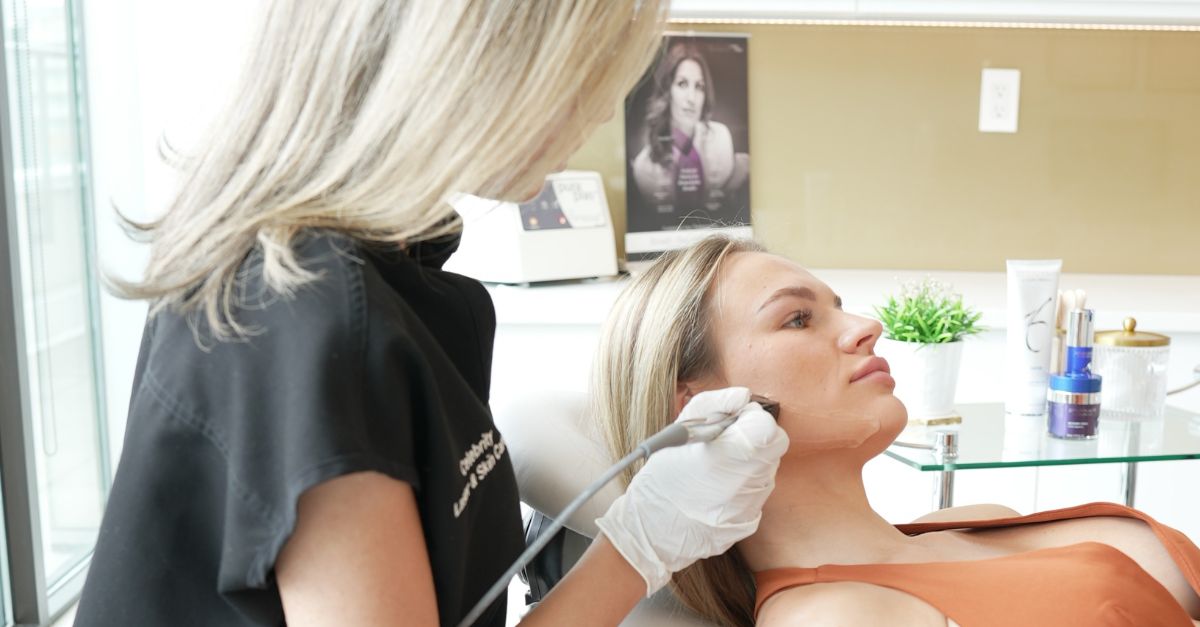
Which Treatments Help Wrinkles and Sagging Skin and How to Know If They’re Right for You
Understanding the causes of wrinkles and sagging helps explain why different treatments exist, but treatment decisions should always be based on individual assessment rather than assumption.
Wrinkles and sagging skin develop for different reasons, which is why a variety of treatments exist. No single option is suitable for everyone. Understanding your skin and goals, along with professional assessment, is essential to select the most effective approach.
Treatments Commonly Used for Wrinkles
Wrinkle treatments target different factors such as muscle movement, volume loss, or skin quality. Common options include:
| Treatment | Targets | Best For | Not Ideal For |
| Botox | Muscle Movement | Expression Wrinkles | Skin Laxity |
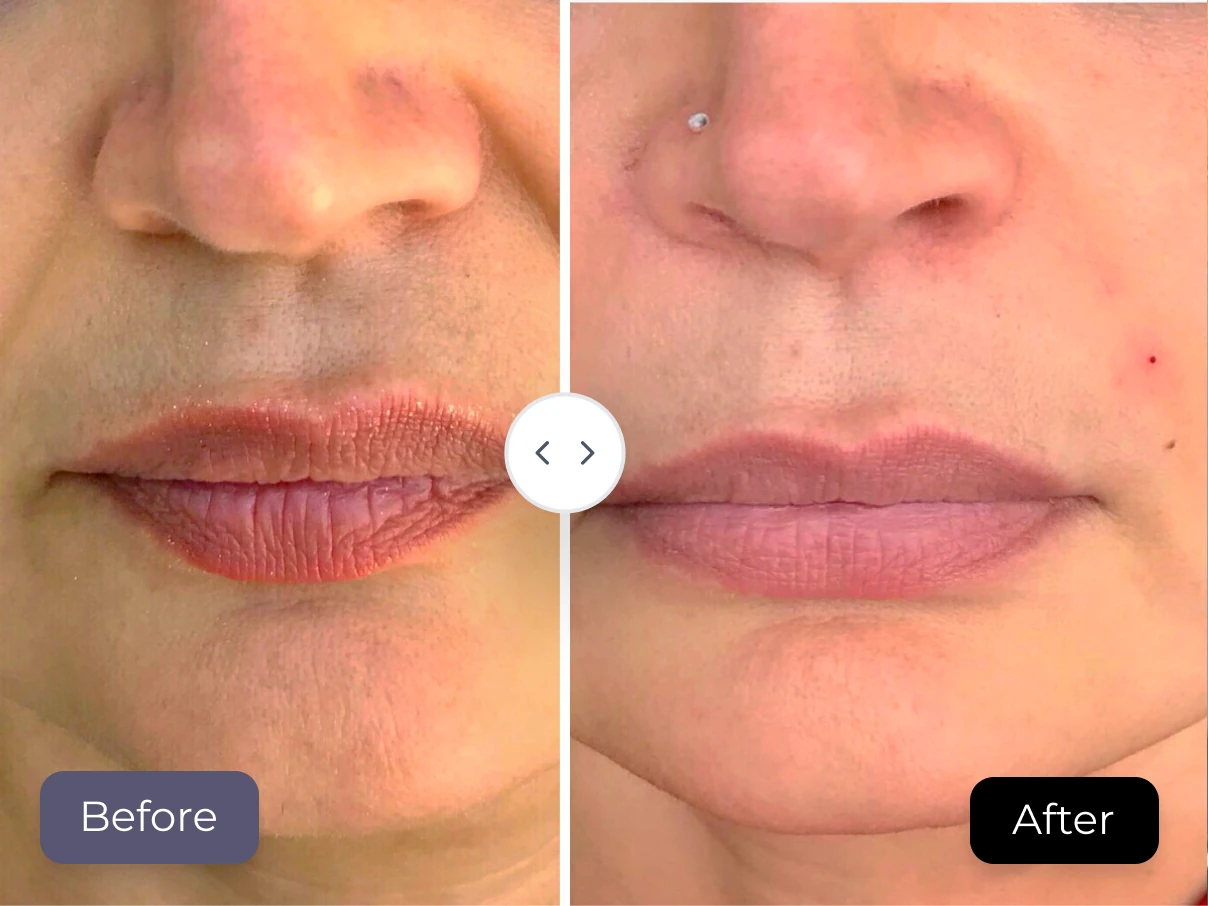
| Dermal Fillers | Volume Loss | Deep Folds | Surface Texture |
| PRP | Skin Quality | Early Aging | Significant Sagging |
Guidance for Each Treatment:
- Botox: Best for dynamic wrinkles caused by facial expressions; not suitable for loose or sagging skin.
- Dermal Fillers: Restore volume in deep folds; less effective for fine lines or surface wrinkles.
- PRP (Platelet-Rich Plasma): Improves overall skin quality and early signs of aging; not sufficient for advanced sagging.
Treatments Commonly Used for Sagging Skin
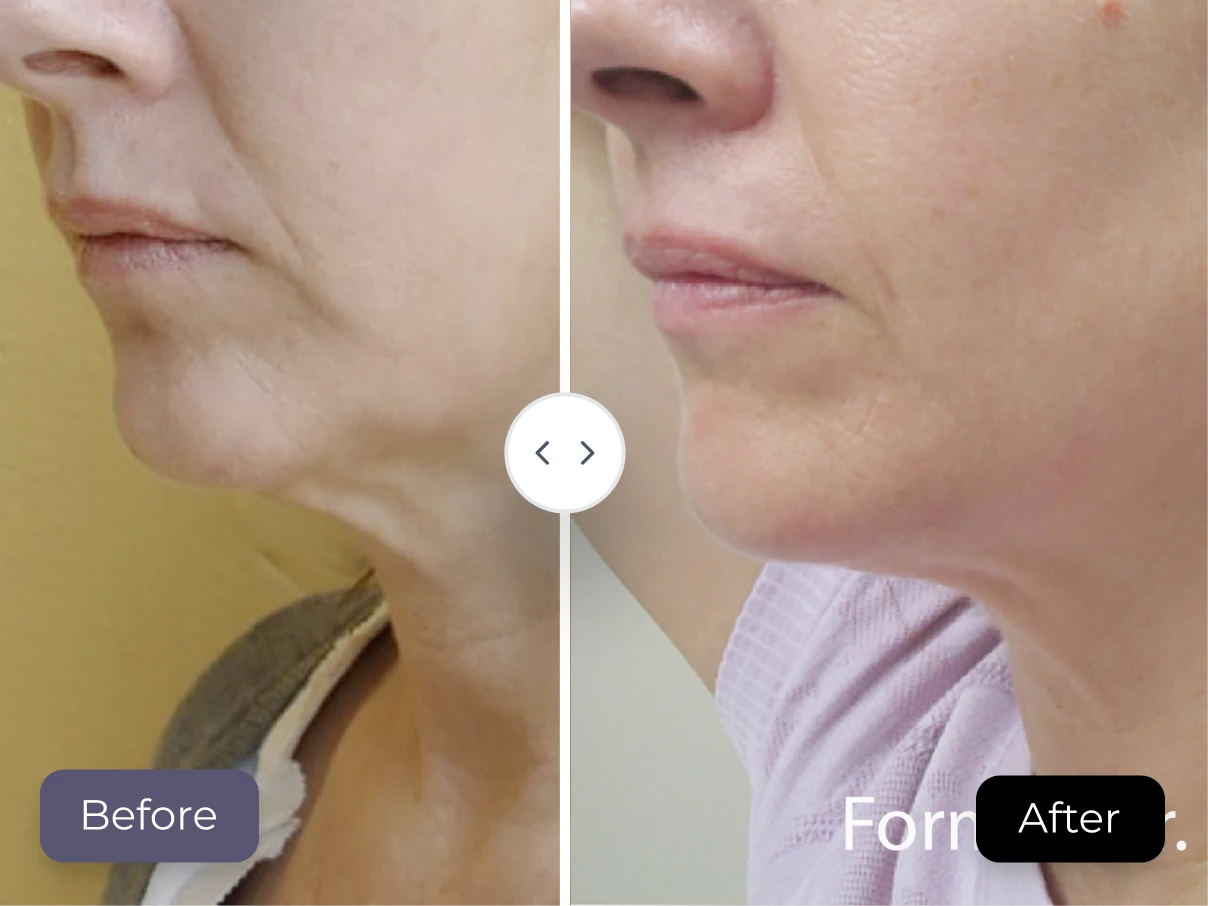
Sagging occurs deeper in the skin, so treatments often target underlying layers for lifting and firmness.
| Treatment | Skin Depth | Sagging Type Addressed |
| Morpheus8 | Deep Dermis | Moderate Laxity |
| Sublative | Dermal Layer | Texture And Firmness |
| Microneedling | Upper Dermis | Mild Sagging |
| Forma | Dermal Heating | Early Laxity |
| Titan | Deep Tissue | Skin Tightening |
| PRP | Skin Quality | Supportive Care |
| Dermal Fillers | Structural Support | Facial Volume Loss |
Key Points:
- Sagging often needs deeper or multi-layer treatments because the underlying support structures are affected.
- Combination treatments are sometimes used for optimal results, depending on the depth and severity of sagging.
Why the Right Treatment Depends on Your Skin and Goals
Even two people with similar visible concerns may require different treatments due to:
- Skin Thickness
- Degree of Volume Loss
- Facial Structure
- Aging Pattern
Choosing the wrong treatment can lead to disappointment, making a professional assessment essential. A personalized plan ensures treatments match both the cause of the concern and the desired outcome.
Final Thoughts: Understanding the Causes Is the First Step
Wrinkles and sagging skin develop through a combination of natural aging, environmental exposure, facial movement, lifestyle habits, gravity, and genetics. These changes are common and expected.
Understanding what causes wrinkles and sagging skin allows for informed decisions, realistic expectations, and meaningful conversations with qualified skin professionals when guidance is needed.
In clinics across North Vancouver, providers often emphasize early education about skin aging as the foundation of effective long-term care.
If you ever feel unsure about what is changing in your skin, a professional consultation can provide clarity and guidance tailored to your individual needs.