At a Glance:
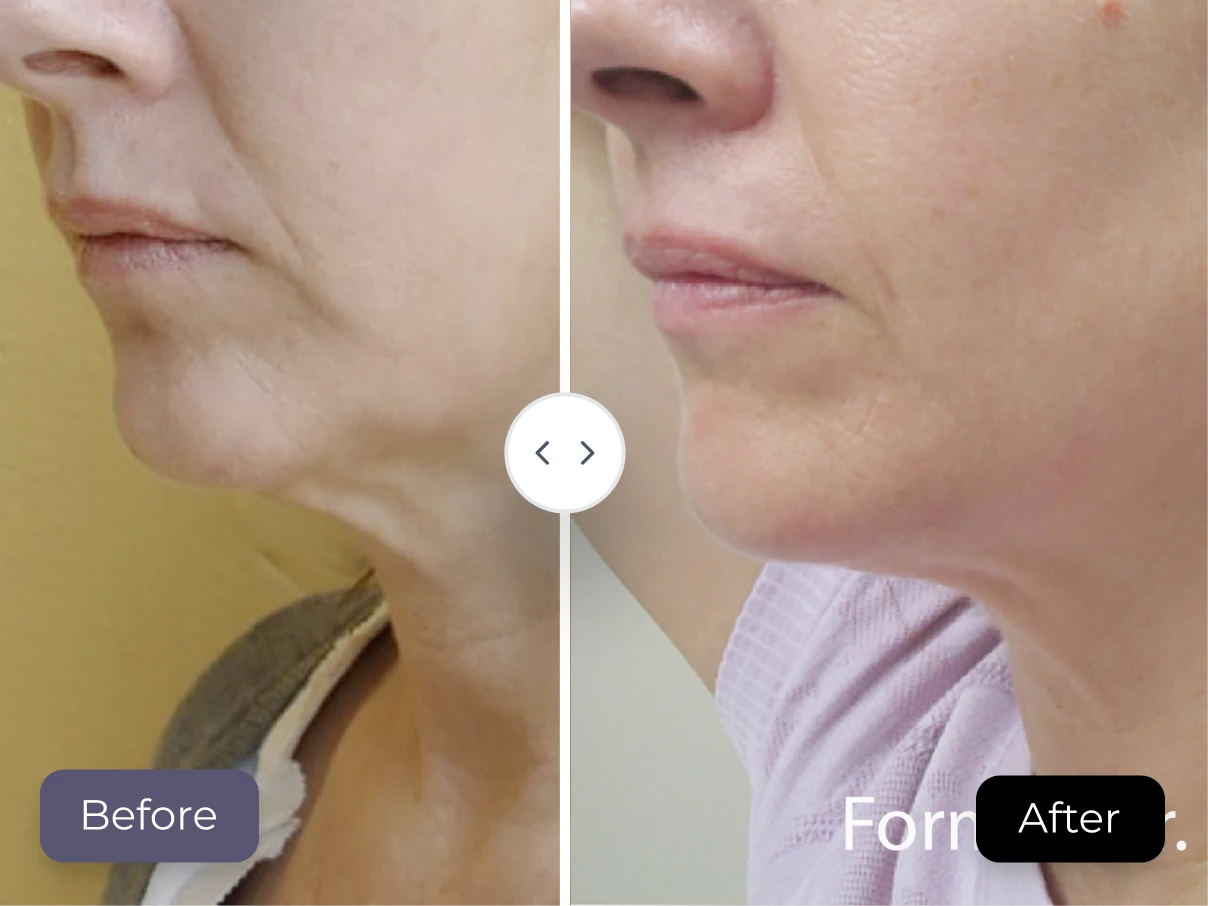
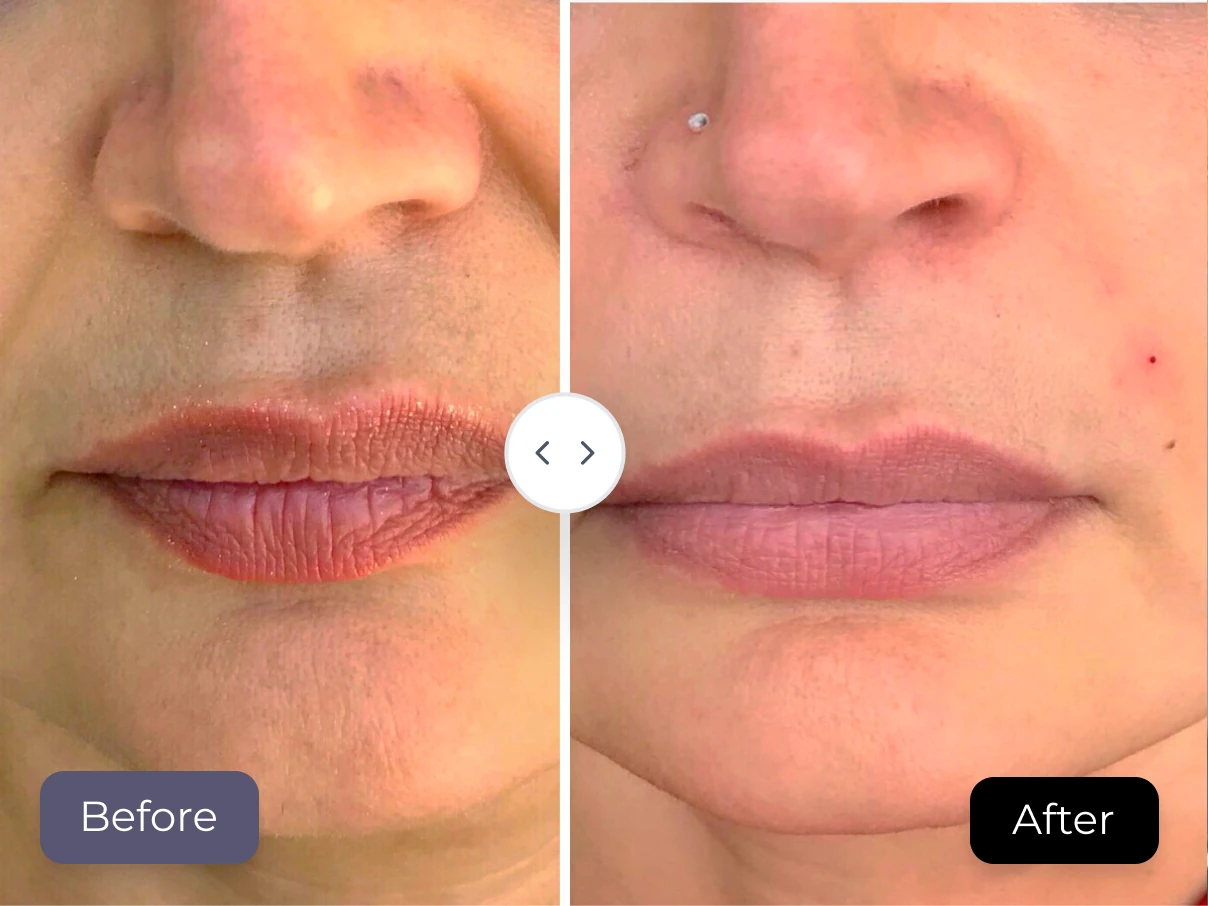
PRP (Platelet-Rich Plasma) for the face is a regenerative treatment that uses your own blood to stimulate collagen production and support gradual skin renewal. Often called the “Vampire Facial” when combined with microneedling, it may improve texture, mild laxity, fine lines, and certain types of scarring over time.
Results are not immediate and typically require multiple sessions. Because suitability varies, consultation and personalized skin analysis at our North Vancouver clinic are essential to determine whether Microneedling + PRP aligns with your goals.
Platelet-Rich Plasma (PRP) is a regenerative treatment that uses components from your own blood to promote skin renewal. A small sample of blood is drawn and processed to concentrate the platelets, which are then applied to the skin to stimulate healing.
Often referred to as the “Vampire Facial,” PRP combines microneedling with platelets to enhance collagen production and tissue regeneration, leading to improved skin texture, tone, and firmness over time.
Many individuals are drawn to PRP because it uses their own biological material rather than synthetic substances. For patients who want natural-looking skin rejuvenation without altering facial expression, PRP can feel like a more biologically aligned option.
It’s crucial to distinguish between a PRP facial and PRP injections. A PRP facial usually combines microneedling with PRP to enhance absorption through microchannels, while PRP injections target specific areas by injecting the plasma directly. Though both use the same material, their techniques and goals differ.
At Celebrity Laser & Skin Care in North Vancouver, Microneedling + PRP is performed following a personalized skin analysis and treatment plan customization. This blog will explain how PRP works, its potential benefits, safety considerations, expected results, and what to anticipate during a consultation in North Vancouver.
What is PRP treatment for face?
Platelet-Rich Plasma (PRP) is a concentration of platelets derived from a small sample of a patient’s own blood. Platelets are a type of blood cell primarily known for their role in clotting. Beyond clot formation, they contain biologically active proteins called growth factors, which support tissue repair, cell renewal, and collagen production.
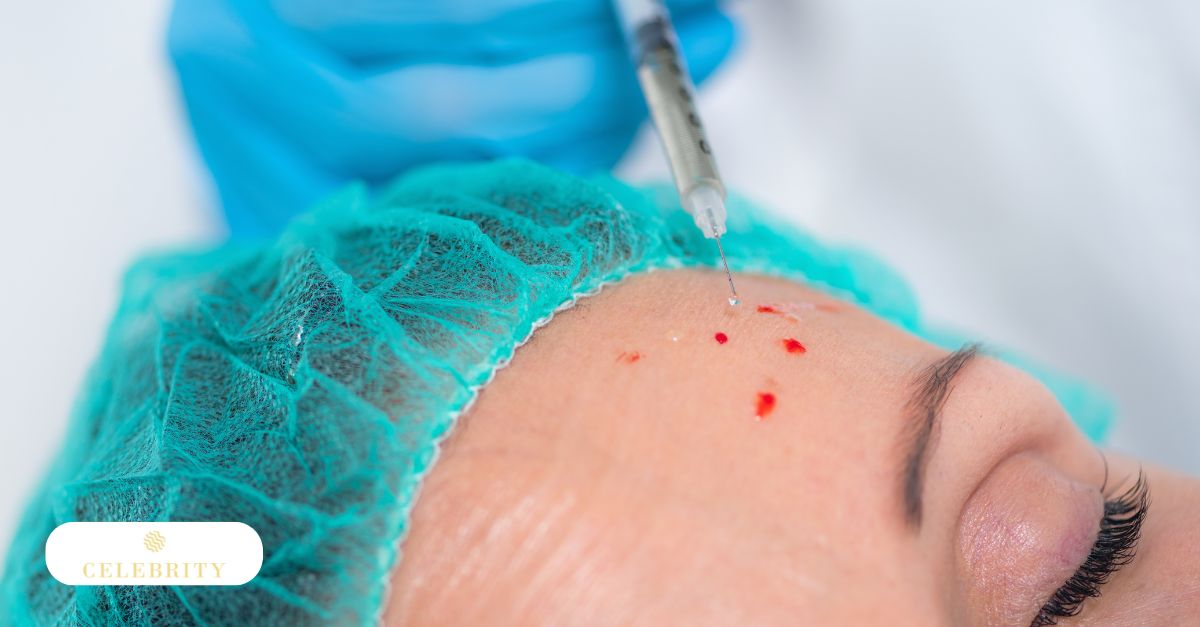
What are platelets and growth factors?
Platelets release growth factors that signal the body to initiate healing processes. In dermatologic applications, these growth factors help stimulate:
- Collagen production
- Cellular turnover
- Tissue regeneration
- Improved skin texture over time
Because PRP is prepared from the patient’s own blood, it is considered autologous, meaning it originates from the same individual receiving the treatment. This reduces the risk of allergic reaction and supports compatibility with the body’s natural healing response.
How is PRP derived from blood?
The process begins with drawing a small amount of blood. The sample is placed in a centrifuge, which separates red blood cells from plasma and concentrates the platelets. The resulting platelet-rich plasma is then applied to the skin or injected into specific areas, depending on the treatment plan.
Blood is used because it contains the body’s natural regenerative components. Rather than introducing synthetic substances, PRP utilizes the patient’s own biological material to stimulate tissue renewal. For this reason, PRP is often described as a natural regenerative treatment.
In facial applications, PRP is commonly combined with microneedling to enhance absorption and support collagen stimulation.
Why is it called a Vampire Facial?
The term “Vampire Facial” originated in media coverage and popular culture. It gained visibility after public figures shared images of facial treatments involving visible blood components, which led to the nickname.
The term refers to the combination of microneedling and platelet-rich plasma (PRP) therapy. In this procedure, PRP is applied to the skin after controlled micro-injuries are created. It is commonly known as PRP facial or microneedling with PRP.
It is important to distinguish between:
- PRP injections: Platelet-rich plasma injected directly into targeted areas such as under-eye hollows or deeper wrinkles.
- PRP with microneedling: PRP applied topically following microneedling to enhance collagen stimulation across the skin surface.
While both techniques use platelet-rich plasma, they differ in depth, delivery method, and intended outcomes.

How does PRP work for facial rejuvenation?
PRP supports facial rejuvenation through a biologically driven repair cascade. Once concentrated platelets are introduced into the skin, they release signalling proteins that activate dormant repair pathways within the dermis.
Rather than acting as a filler or resurfacing agent, PRP works by stimulating the skin’s own regenerative capacity at a cellular level.
Collagen Stimulation
Fibroblasts are the primary cells responsible for producing collagen. When exposed to platelet-derived growth factors, fibroblast activity increases.
This activation leads to:
- New collagen fibre formation
- Reorganization of existing collagen
- Gradual improvement in dermal density
Because collagen remodelling occurs over weeks to months, results develop progressively rather than immediately.
Skin Regeneration
PRP influences cellular turnover by encouraging repair of micro-damage within the dermal matrix. Growth factors initiate a signalling cascade that promotes:
- Replacement of damaged structural proteins
- Activation of regenerative cell pathways
- Strengthening of connective tissue support
This process enhances overall skin integrity rather than simply improving surface appearance.
Improved Blood Flow
One of the key signalling proteins released from platelets is vascular endothelial growth factor (VEGF). VEGF promotes the formation of new microvascular channels.
Improved microcirculation supports:
- Oxygen delivery
- Nutrient transport
- Waste removal from tissues
This vascular support contributes to healthier tissue function and sustained regenerative activity.
What skin concerns does PRP treatment help with?
Microneedling with PRP is used in aesthetic medicine to enhance skin through collagen stimulation and tissue repair. PRP activates regenerative pathways, leading to gradual results that vary by treatment concern.
Below is a breakdown of how PRP may influence different skin conditions and what to realistically expect.
Fine Lines
Fine lines are often related to early collagen loss and mild thinning of the dermis.
PRP stimulates fibroblast activity, encouraging new collagen formation in areas where structural support has weakened. Over time, this can soften the appearance of superficial lines.
Realistic expectation: Improvement tends to be gradual. PRP may soften fine lines, but it does not function like a neuromodulator or filler.

Wrinkles
Deeper wrinkles involve more significant collagen breakdown and sometimes repetitive muscle movement.
PRP may improve dermal thickness and elasticity by enhancing collagen remodelling. However, static or deeply etched wrinkles may require combination treatments depending on severity.
Realistic expectation: PRP can support overall skin quality but may not fully correct advanced wrinkles on its own.
Acne Scars
Atrophic acne scars are caused by collagen loss in localized areas.
PRP enhances the skin’s repair response when combined with microneedling, helping stimulate collagen in scarred regions. This may gradually improve surface irregularities.
Realistic expectation: Texture may become smoother over multiple sessions. Deep scars may require additional modalities.
Enlarged Pores
Pore visibility is often linked to reduced skin elasticity and excess oil production.
By supporting collagen formation around pore walls, PRP may contribute to firmer surrounding tissue, which can reduce the appearance of enlarged pores.
Realistic expectation: Pores are not removed, but their appearance may become less prominent.
Uneven Skin Texture
Uneven texture can result from past inflammation, minor scarring, or irregular collagen distribution.
PRP encourages controlled dermal remodelling, which may lead to smoother surface consistency over time.
Realistic expectation: Improvements are progressive and depend on baseline skin condition.
Under-Eye Dark Circles
Some under-eye darkness is caused by thin skin and visible vascular structures.
PRP injections in this area may stimulate mild collagen thickening, which can improve translucency and support better light reflection.
Realistic expectation: PRP may improve skin quality, but does not treat pigmentation-related dark circles.
Skin Laxity
Skin laxity develops as collagen and elastin decline.
PRP promotes collagen production and may improve mild to moderate laxity by enhancing dermal support.
Realistic expectation: Subtle tightening effects are possible. Significant laxity may require additional skin tightening treatments.

Skin Dullness
Dull skin is often associated with reduced cellular turnover and diminished microcirculation.
By stimulating regenerative activity and vascular support, PRP may contribute to improved skin vitality over time.
Realistic expectation: Skin may appear more refreshed gradually rather than immediately radiant.
At Celebrity Laser & Skin Care, treatment plans are customized following a personalized skin analysis. The suitability of Microneedling + PRP depends on the specific concern, severity, and overall skin health discussed during consultation.
What happens during a PRP facial procedure?
Microneedling + PRP follows a structured clinical process designed to support safety and treatment precision. While individual plans vary based on your personalized skin analysis, the overall sequence is consistent, so you can feel prepared.
Consultation
Your appointment will begin with a consultation at our North Vancouver clinic, where we’ll discuss your skin concerns, medical history, and treatment goals. A personalized skin analysis will determine if Microneedling with PRP is right for you, and whether the PRP will be applied topically or through injections. This ensures that your treatment is tailored specifically to your needs.
Blood Collection and PRP Preparation
A small amount of blood is drawn and processed on-site to prepare platelet-rich plasma (PRP). The sample is then placed in a centrifuge, where it is spun to separate components. This process isolates and concentrates the platelet-rich portion of the plasma.
The prepared PRP is then ready for application or injection during the same visit. Because the material comes from your own body, it is autologous and biologically compatible.
Microneedling or Injection Phase
The delivery method depends on your treatment plan.
With Microneedling + PRP, controlled microchannels are created in the skin. The PRP is applied during or immediately after microneedling to allow absorption into the treated areas. If specific regions require focused attention, such as certain under-eye areas, PRP may be injected instead.

Comfort and Anesthesia
Topical numbing cream is typically applied before microneedling to improve comfort. General anesthesia is not required.
Most patients describe the sensation as mild pressure or vibration during microneedling. If injections are performed, brief stinging may occur. Discomfort levels vary by individual and treatment area.
Duration of the Appointment
The total visit includes consultation, blood processing time, and the procedure itself. Exact timing depends on the treatment scope and whether injections are included. This is reviewed at booking, so expectations are clear.
After the Procedure
Immediately after treatment, it is common to experience:
- Redness similar to mild sun exposure
- Temporary swelling
- Sensitivity or tightness
These effects are typically short-lived and vary depending on treatment intensity and skin type.
Post-treatment care usually involves simple, supportive measures such as gentle cleansing, hydration, and consistent sun protection. You may be advised to temporarily avoid active skincare ingredients or heat exposure.
Immediate Appearance vs Long-Term Changes
Right after the procedure, the skin may appear flushed. As redness settles, some individuals notice a refreshed appearance. However, the structural changes associated with collagen remodelling develop gradually over time.
Before leaving the clinic, we review aftercare instructions and discuss what is considered typical healing based on your customized treatment plan in North Vancouver.
How many PRP sessions are needed for Face?
The number of Microneedling and PRP sessions needed depends on your skin condition, age, and treatment goals. Since PRP promotes gradual collagen remodelling, multiple sessions are usually recommended for optimal results.
In aesthetic practice, many patients undergo an initial series of 3 treatments spaced approximately 4–6 weeks apart, though this varies based on individual goals.
Typical Treatment Protocol
For many individuals, an initial series of treatments is advised, typically spaced several weeks apart. This allows time for collagen production and tissue remodelling to occur between sessions.
The exact number of sessions is determined during consultation based on:
- Skin quality and thickness
- Severity of texture concerns or scarring
- Degree of laxity
- Overall regenerative response
Mild concerns may require fewer sessions, while bigger textural changes, such as acne scarring, often require a more structured series.

Age-Based Considerations
As collagen production naturally declines with age, individuals in their 40s and 50s may require more sessions than younger patients to achieve comparable structural improvement.
Younger skin may respond more quickly due to stronger baseline regenerative capacity. However, candidacy and frequency are always determined through personalized skin analysis rather than age alone.
Timeline for Visible Results
PRP does not deliver immediate structural changes. While some short-term improvement in skin tone may be noticeable after redness subsides, meaningful collagen remodelling typically develops gradually.
Visible improvements often begin to emerge several weeks after treatment and continue progressing as collagen production increases.
Is Facial PRP treatment safe?
Safety depends on proper medical assessment, sterile technique, and appropriate patient selection. When performed within regulated clinical settings, Microneedling + PRP is commonly used in aesthetic practice.
Regulatory Position in Canada1
In Canada, Platelet-Rich Plasma (PRP) falls under the definition of a “drug” within the Food and Drugs Act. Its preparation and administration are regulated provincially when:
- Blood is drawn from a patient
- It is processed and administered back to the same patient in one procedure
- The procedure is performed by authorized healthcare practitioners
PRP is not classified as a stem cell therapy. Health Canada has not authorized PRP as a marketed cosmetic product, nor formally reviewed it for specific aesthetic claims. Therefore, it must be administered within professional medical standards rather than promoted as an approved cosmetic product.
In practical terms, this means PRP must be administered within a professional medical setting under appropriate clinical standards.
Biological Compatibility
Because PRP is derived from the patient’s own blood, it is autologous. This significantly lowers the likelihood of an immune reaction compared to externally sourced materials.
However, medical screening remains essential to confirm suitability.
Potential Side Effects
Side effects are generally related to the delivery method rather than the plasma itself. These may include temporary redness, mild swelling, sensitivity, or localized bruising if injections are performed.
Duration and intensity vary depending on treatment depth and individual healing response.
Who May Not Be a Candidate
PRP may not be appropriate for individuals with:
- Certain blood or platelet disorders
- Active skin infections
- Severe systemic illness
- Specific medication use affecting clotting
- Pregnancy, depending on clinical evaluation
Eligibility is determined during consultation.

Clinical Environment and Provider Expertise
Because the procedure involves blood handling and controlled skin penetration, sterile processing and trained administration are critical. Proper centrifuge preparation, depth control, and technique influence both safety and treatment outcome.
At our North Vancouver clinic, candidacy is determined through consultation and personalized skin analysis before proceeding with Microneedling + PRP.
How long do PRP results last?
Microneedling + PRP does not produce instant structural change. Its effects develop in stages as the skin rebuilds itself.
When does improvement begin?
After the initial redness resolves, some patients notice mild surface refinement. However, deeper improvements emerge more slowly.
Early changes may become noticeable within a few weeks as dermal activity increases.
Collagen Development Timeline
Once platelets release growth factors, fibroblasts begin forming new collagen fibres. This process unfolds gradually:
- Collagen production increases over several weeks
- Structural refinement continues over the following months
- Skin density and texture improve progressively
Because collagen remodelling is biological, not mechanical, results evolve rather than appear immediately.
Duration of Results
Results vary based on age, lifestyle, and skin condition. As long as natural aging continues, collagen levels will gradually decline.
For many individuals, improvements can be sustained for an extended period, especially when supported by appropriate skincare and sun protection.
Maintenance Considerations
Some patients choose periodic maintenance sessions to support ongoing collagen activity. The timing of these sessions depends on individual response and aesthetic goals.
PRP vs Botox vs Dermal Fillers vs Laser Treatments
PRP is often compared to other aesthetic treatments because each addresses aging differently. Understanding the mechanism behind each option helps clarify when they may be used alone or as part of a broader treatment plan.
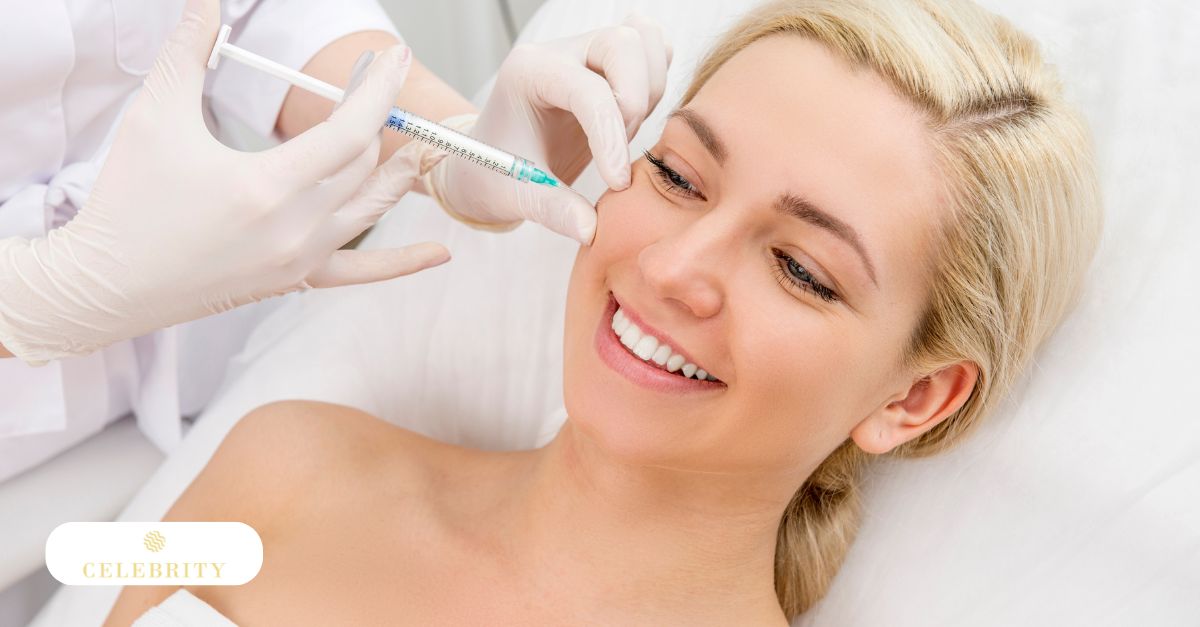
PRP vs Botox for Face
Botox and PRP target different aspects of facial aging.
Botox works by temporarily relaxing specific facial muscles responsible for dynamic wrinkles, such as frown lines or crow’s feet. By limiting repetitive muscle contraction, it softens expression-related lines.
PRP does not affect muscle movement. Instead, it stimulates collagen production and tissue repair within the skin. Its effects are structural rather than neuromuscular.
In summary, Botox reduces movement-based wrinkles, while PRP supports overall skin quality and firmness.
PRP vs Dermal Fillers
Dermal fillers are designed to restore volume in areas where structural loss has occurred. They physically add support beneath the skin to improve contour or reduce hollowing.
PRP does not add volume directly. It improves skin texture and thickness gradually by stimulating regenerative processes.
Fillers provide immediate contour correction. PRP contributes to progressive improvement in skin integrity and elasticity.
PRP vs Laser Skin Resurfacing
Laser skin resurfacing targets the outer layers of the skin. Depending on the device and intensity, lasers remove or thermally affect surface tissue to improve texture and pigmentation.
PRP does not remove skin layers. It activates internal regenerative pathways that stimulate collagen and support tissue repair from within.
Lasers focus on controlled resurfacing. PRP focuses on biological regeneration.
How PRP Compares to Botox, Fillers, and Laser Treatments
The following table summarizes the primary differences in mechanism, treatment focus, and expected outcomes. This comparison is intended to clarify how each option functions rather than suggest one treatment replaces another.
| Treatment | Primary Mechanism | Targets | Speed of Results | Structural Change | Volume Restoration | Downtime |
| PRP (Microneedling + PRP) | Collagen Stimulation through Growth Factors | Texture, Mild Laxity, Skin Quality | Gradual | Yes (Biological Remodelling) | No | Minimal to Moderate Redness |
| Botox | Muscle relaxation | Dynamic wrinkles | Faster onset | No | No | Minimal |
| Dermal Fillers | Injectable Volume Replacement | Volume Loss, Contour | Immediate | Indirect | Yes | Minimal to Mild Swelling |
| Laser Resurfacing | Controlled Surface Energy Delivery | Texture, Pigmentation | Variable | Surface-Focused | No | Variable Depending on Intensity |
Who is a good candidate for PRP treatment?
Microneedling + PRP is generally suited for individuals seeking gradual improvement in skin texture, firmness, or mild laxity without surgical intervention. Candidacy depends more on skin condition and overall health than on age alone.
Ideal Age Group
PRP is often sought by adults in their 30s to 50s experiencing early collagen decline, but it can also benefit younger individuals with acne scarring or uneven texture. Treatment suitability is based on skin quality and goals rather than age.
Suitable Skin Types
Because PRP does not rely on pigment-targeting energy or aggressive resurfacing, it is typically appropriate for a range of skin tones. However, treatment depth and intensity must be adjusted based on skin sensitivity and thickness.
Who should avoid PRP?
PRP may not be suitable for individuals with active infections, uncontrolled diabetes, certain blood disorders, platelet dysfunction syndromes, or those taking specific anticoagulant medications. A full medical review is conducted prior to treatment.
How much does PRP treatment cost in North Vancouver?
The cost of Microneedling + PRP can vary from person to person. Unlike standardized cosmetic procedures, PRP treatment is typically customized based on individual skin condition, goals, and treatment strategy. For this reason, pricing is best determined after clinical assessment.
Factors That Influence Cost
Several variables contribute to the overall investment in PRP treatment:
- Number of Sessions: Some individuals benefit from a single session, while others require a structured treatment series. The total number of sessions directly affects the overall cost.
- Combination Treatments: PRP may be performed alongside microneedling or integrated into a broader skin rejuvenation plan. Combining treatments can influence pricing.
- Provider Expertise: Training, clinical experience, and technical precision play a role in treatment planning and procedural execution, which can impact cost.
- Equipment and Processing Quality: Centrifuge systems, microneedling devices, and sterile preparation protocols differ between clinics. Clinical-grade equipment and proper processing standards are important components of the procedure.
Because PRP focuses on biological regeneration rather than temporary camouflage, treatment plans are structured for long-term skin improvement rather than short-term correction.

Why Choose Celebrity Laser & Skincare for PRP in North Vancouver?
Microneedling + PRP requires technical precision and structured planning. The quality of preparation, application technique, and clinical oversight can influence both safety and outcome.
Clinical Experience in Skin Rejuvenation
Our clinic has extensive experience in collagen-stimulating and skin rejuvenation procedures. This background allows for informed treatment selection and careful adjustment of depth and technique based on individual skin characteristics.
PRP is not treated as a standalone trend-based procedure but as part of a broader regenerative strategy.
Structured Treatment Planning
Each patient undergoes a consultation before treatment. This ensures appropriate candidate selection and a clear, individualized plan rather than a standardized protocol.
Treatment intensity, session spacing, and delivery method are determined based on skin condition and long-term goals.
Professional Setting and Procedural Standards
PRP preparation and microneedling require careful handling and controlled execution. At our North Vancouver location, procedures are performed in a luxury clinical environment designed to meet professional standards of care.
Focus on Balanced, Natural Outcomes
Microneedling + PRP is intended to support gradual skin refinement. The objective is improved texture and firmness while maintaining natural facial expression and proportions.
For individuals considering PRP in North Vancouver, booking a consultation at our clinic provides an opportunity to review suitability, expected timelines, and whether Microneedling + PRP aligns with your treatment goals.
Our team has extensive experience with collagen-stimulating treatments in North Vancouver, allowing for refined technique and consistent protocol standards.
Conclusion
Platelet-Rich Plasma (PRP), often called the “Vampire Facial” when combined with microneedling, is a regenerative treatment designed to stimulate collagen and support gradual skin renewal. It may improve texture, mild laxity, and certain types of scarring through progressive remodelling rather than immediate correction.
Because results develop over time and vary by individual, consultation is essential. A structured consultation allows you to ask questions, understand realistic timelines, and determine whether PRP fits naturally into your broader aesthetic plan. At Celebrity Laser & Skin Care, a personalized skin analysis helps determine whether Microneedling + PRP aligns with your treatment goals and expectations.