At a Glance:
Cellulite does not fully disappear with weight loss or exercise. Losing fat and building muscle can make it less visible, but the fibrous bands and skin structure stay the same. Genetics, hormones, and aging also play a role. Mild cellulite may improve with lifestyle changes, but moderate to severe cases often need professional treatments for more noticeable and longer-lasting improvement.
Cellulite does not fully go away with weight loss or exercise for most people. Losing body fat can make it less noticeable, and exercise can improve muscle tone, but the underlying structure that causes cellulite usually stays the same.
That structure includes fibrous connective bands, fat distribution, skin thickness, and collagen levels. These factors explain why cellulite can still be visible even in people who are lean, active, and at a healthy body weight.
If you’ve lost weight or stayed consistent with workouts but still notice dimpling, the reason usually comes down to how your skin and connective tissue are built, not just how much fat you carry. Understanding that difference helps set realistic expectations and makes it easier to decide whether lifestyle changes are enough or if treatment is worth considering.
Note: Clinical understanding of cellulite is based on peer-reviewed dermatology research, including studies indexed in PubMed and published clinical reviews on cellulite pathophysiology and treatment outcomes. Current evidence shows that cellulite is driven by structural factors such as fibrous connective bands, fat distribution, and skin integrity, rather than body weight alone. 1 2
Does cellulite go away with weight loss?
Weight loss can improve the appearance of cellulite in some cases, but it rarely removes it completely.

What happens to cellulite when you lose weight?
When you lose weight, fat cells decrease in size. This reduces the upward pressure against the skin, which may soften the appearance of dimpling. In people with good skin elasticity, the surface may appear smoother as the body changes.
However, cellulite is not caused by fat alone. Beneath the skin are fibrous connective bands (septae) that pull the skin downward while fat pushes upward. This underlying tissue structure does not change with weight loss.
As a result, cellulite can respond in different ways after weight loss. In some cases, it becomes less visible. In others, it remains unchanged. In situations where the skin becomes looser, it may even appear more noticeable.
Why some people still have cellulite after weight loss
Several factors explain why cellulite can persist even after losing weight. Loose skin is one of the most common reasons. When weight loss happens quickly, the skin may not fully adapt, which can make dimpling easier to see. Genetics also play a major role, as some people naturally have a connective tissue structure that makes cellulite more likely.
Fat distribution matters as well. Areas such as the thighs, hips, and buttocks tend to store fat in a way that increases the chance of visible dimpling. Most importantly, the connective bands beneath the skin are not affected by fat loss, so they can continue to create the uneven texture.
Does cellulite go away with exercise?
Exercise can improve how cellulite looks, but it does not remove it completely. Many people notice some smoothing when they become more active, but the change is usually moderate rather than dramatic.
How Exercise Affects Cellulite
Exercise influences cellulite in several ways, mainly through fat reduction, muscle development, and circulation. When body fat decreases, there is less pressure pushing upward against the skin.
This can reduce the contrast between fat bulges and connective tissue, making dimpling appear less obvious. At the same time, building muscle creates a firmer base underneath the skin, which helps the surface look tighter and more even.
Exercise also improves blood flow. Better circulation supports skin health by delivering oxygen and nutrients to the tissue. Even with these benefits, exercise does not release or change the fibrous bands beneath the skin, which is why cellulite often remains visible.
Best Types of Exercise to Improve Cellulite Appearance
Strength training has the most noticeable impact because it builds muscle in areas where cellulite is common, such as the thighs and buttocks. Exercises like squats, lunges, and hip thrusts can improve firmness over time.
Cardio supports fat reduction, which can help reduce the pressure beneath the skin. Activities such as walking, cycling, or swimming contribute to gradual fat loss and overall body composition.
In most cases, combining strength training with regular cardio leads to the best visual improvement. The result is typically smoother-looking skin, not complete removal of cellulite.

At what body fat percentage does cellulite go away?
There is no specific body fat percentage at which cellulite disappears. This is one of the most common misunderstandings.
Some individuals still have visible cellulite at relatively low body fat levels, while others notice improvement without reaching very low levels. This variation comes from biological differences rather than a single number.
Genetics affects how fat is stored and how connective tissue is arranged. Skin thickness also plays a role, as thinner skin shows underlying structures more clearly. Hormones, especially estrogen, influence fat distribution and tissue behaviour.
Collagen levels are another factor. As collagen decreases, the skin becomes less firm, which can make dimpling more visible. The structure of connective tissue itself also varies, which further explains why cellulite can persist even in lean individuals.
Why Cellulite Doesn’t Fully Go Away Naturally
Cellulite is influenced by deeper biological factors, not just body fat. Genetics determines how connective tissue is arranged and how fat is distributed. Hormones affect both fat storage and skin structure, especially in women. Aging leads to reduced collagen, which makes the skin thinner and less firm over time.
Skin elasticity also plays a major role. When the skin becomes looser or less resilient, it does not sit as smoothly over the tissue beneath it, making the uneven surface more noticeable.
The Myth of “Zero Cellulite”
Completely smooth skin is often presented as the standard, but this is not realistic for most people.
Images that show perfect skin are often influenced by lighting, posing, and editing. In natural conditions, cellulite is extremely common and affects the majority of women after puberty. It is not a sign of poor health.
When Lifestyle Changes Are Enough (and When They’re Not)
Lifestyle changes can improve cellulite, but the results depend on the underlying cause and severity.
Cases Where Diet & Exercise Help
Diet and exercise tend to work best when cellulite is mild and body fat is relatively higher. In these cases, reducing fat and improving muscle tone can lead to smoother-looking skin.
Younger skin, which still has strong collagen and elasticity, also responds better to gradual weight loss. When weight loss happens slowly, the skin has more time to adapt, which can reduce the risk of visible dimpling.
Cases Where Cellulite Persists
In other cases, lifestyle changes are not enough to create noticeable improvement. This is more likely when cellulite is moderate to severe or when the skin has lost elasticity.
Genetics can also limit how much improvement is possible through diet and exercise alone. Some people continue to see dimpling even with low body fat and regular training.
These are the situations where professional treatments are often considered.
Decision Guide: Lifestyle vs Treatment | ||
| Situation | Lifestyle May Be Enough | Treatment May Be Needed |
| Severity Of Cellulite | Mild Dimpling | Moderate To Deep Dimpling |
| Body Fat Level | Higher Body Fat | Already Lean |
| Skin Condition | Firm, Elastic Skin | Loose Or Thinning Skin |
| Age Factor | Younger Skin (Better Collagen) | Reduced Collagen With Age |
| Results Expectation | Subtle Improvement Is Acceptable | Want Visible Smoothing |

What are the most effective treatments for cellulite?
Professional treatments can target factors that lifestyle changes alone may not fully address, including skin firmness, tissue texture, circulation, and fibrous banding.
Radiofrequency-Based Cellulite Treatments
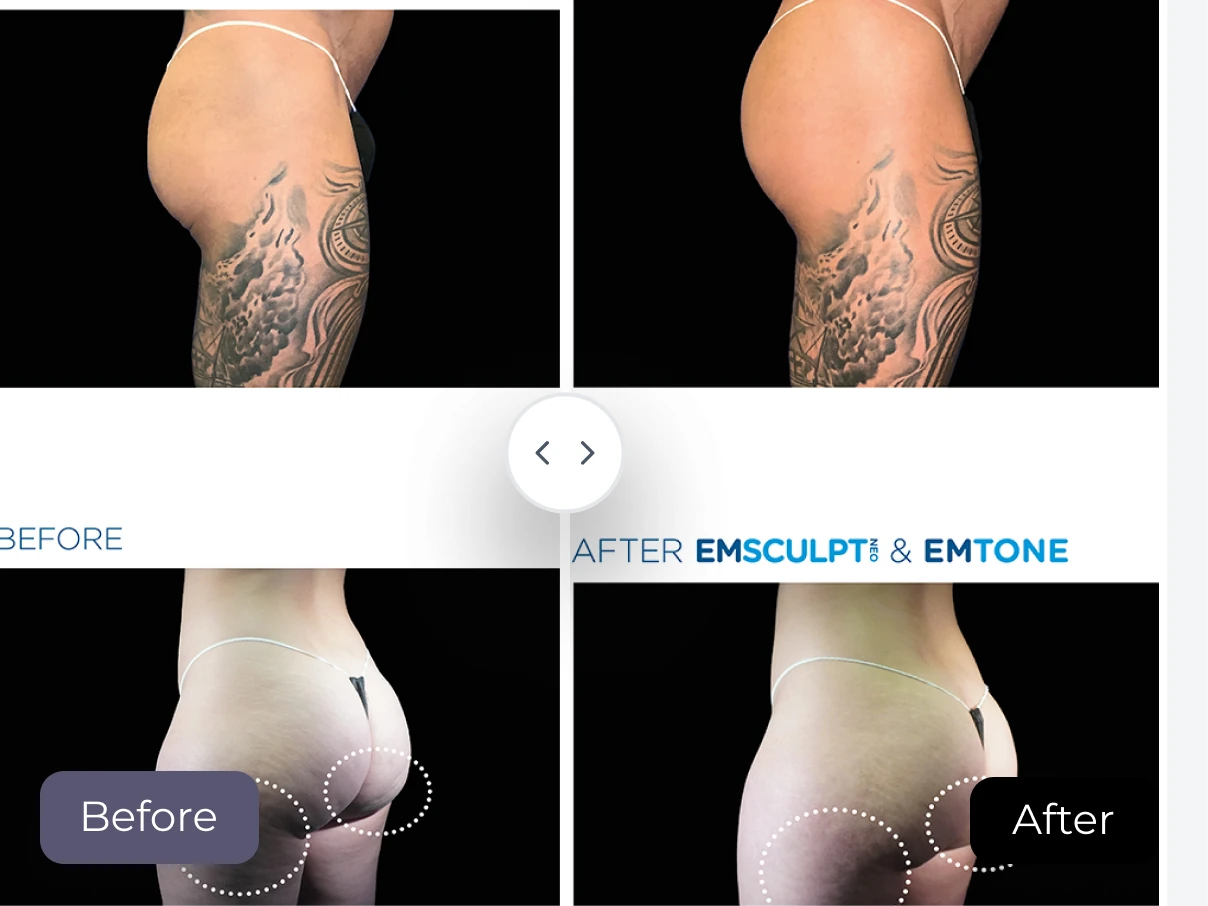
Radiofrequency-based cellulite treatments use controlled heat to support collagen production, skin firmness, and smoother texture. At Celebrity Laser & Skin Care, this category includes BodyFX and VelaShape II, each using RF in a different way depending on the treatment goal.
BodyFX – Radiofrequency Fat Reduction & Skin Tightening
BodyFX uses radiofrequency energy with vacuum-assisted technology to heat targeted tissue, support collagen production, and help improve skin firmness and contour. It may be suitable when cellulite is linked with mild fat deposits, skin laxity, or uneven texture. Results typically develop gradually over a series of treatments.
VelaShape II – Cellulite Reduction & Body Contouring
VelaShape II combines radiofrequency, infrared energy, vacuum suction, and mechanical massage to support circulation, collagen activity, and smoother skin texture. It is commonly used for cellulite on areas such as the thighs, buttocks, abdomen, and flanks. Results are gradual and usually require multiple sessions.
For visible, targeted results, schedule your Vellashape treatment.
Subcision Treatments
Subcision-based treatments may be considered for deeper, localized dimples because they target the fibrous bands beneath the skin that contribute to cellulite. They are a separate category from non-invasive skin-tightening and body-contouring treatments. Suitability, expected results, and longevity vary by patient and should be assessed by a qualified provider.
Why Professional Treatments Work Better Than Weight Loss Alone
Weight loss and exercise mainly affect fat levels and muscle tone. They do not change the connective tissue structure beneath the skin. Professional treatments target the specific causes of cellulite. Some release fibrous bands, others improve skin firmness, and some address localized fat or circulation.
Because these treatments address the structural causes of cellulite, they can provide more noticeable and longer-lasting improvement than weight loss alone, especially in moderate to severe cases.
At Celebrity Laser & Skin Care in North Vancouver, cellulite treatment plans may include technologies such as BodyFX and VelaShape II, depending on skin texture, cellulite severity, treatment area, and individual goals.
How to Choose the Right Cellulite Treatment
Choosing the right treatment depends on several individual factors. The severity of cellulite is an important starting point. Mild cases may respond well to skin-tightening treatments, while deeper dimpling often requires structural procedures such as subcision.
Skin quality also matters. Firm skin responds differently than loose or thinning skin. Personal goals should be considered as well, whether the aim is subtle improvement or more visible smoothing.
Budget and time are practical factors, since some treatments require multiple sessions or maintenance. A proper assessment helps match the treatment to the underlying cause and leads to more realistic outcomes.

Why Celebrity Laser & Skin Care Is a Leading Choice in North Vancouver
Celebrity Laser & Skin Care provides treatment plans based on the structure of the skin rather than one single method. Patients receive a detailed assessment to determine the type and severity of cellulite. Based on this, treatments may include radiofrequency, laser-based options, or other technologies suited to the individual case.
The focus is on consistent, realistic improvement rather than short-term changes. This approach is important because cellulite varies from person to person, and effective treatment depends on addressing the underlying cause.
If cellulite concerns you, a professional assessment can help clarify what type of treatment would suit your skin and goals.
Final Thoughts: Can You Get Rid of Cellulite Completely?
Cellulite rarely disappears completely with weight loss or exercise alone. Weight loss can reduce fat, and exercise can improve muscle tone, but neither changes the connective tissue structure responsible for dimpling. For many people, cellulite improves but does not fully go away.
The most consistent results come from combining healthy weight management, strength training, and skin support with targeted treatments when needed. Understanding these limits helps set realistic expectations and leads to better decisions about treatment.
If you want to know what approach may work for your case, booking a consultation at Celebrity Laser & Skin Care is the next step to get a personalized treatment plan.