At a Glance:
EZ Gel and hyaluronic acid fillers both treat under-eye concerns and fine lines, but they work differently. EZ Gel supports gradual skin improvement by stimulating collagen, while fillers deliver immediate volume correction. Fillers are more predictable for structural hollows, whereas EZ Gel suits patients prioritizing natural texture improvement over time. Choice depends on goals, downtime tolerance, and whether you prefer instant results or progressive skin quality enhancement.
EZ Gel and traditional dermal fillers both improve the under-eye area and soften fine lines, but they do it in very different ways. EZ Gel is a natural, PRF-based treatment that improves skin quality over time, while traditional fillers, usually made with hyaluronic acid, add immediate volume and structure.
Neither option is universally “better.” The right choice depends on what you are trying to correct, how quickly you want to see results, and how important a natural approach is to you. Differences in safety, longevity, and how each treatment behaves under the eyes all play a role in the decision.
What is EZ Gel?
EZ Gel, often referred to as PRF EZ Gel, is a newer category of injectable that focuses on improving the skin itself rather than simply adding volume. It is widely used for delicate areas where natural results matter most.
EZ Gel is created entirely from your own blood. It combines platelet-rich fibrin (PRF), which contains growth factors and healing cells, with a plasma-based gel that gives it a smooth, filler-like consistency.
How EZ Gel Is Made and Processed
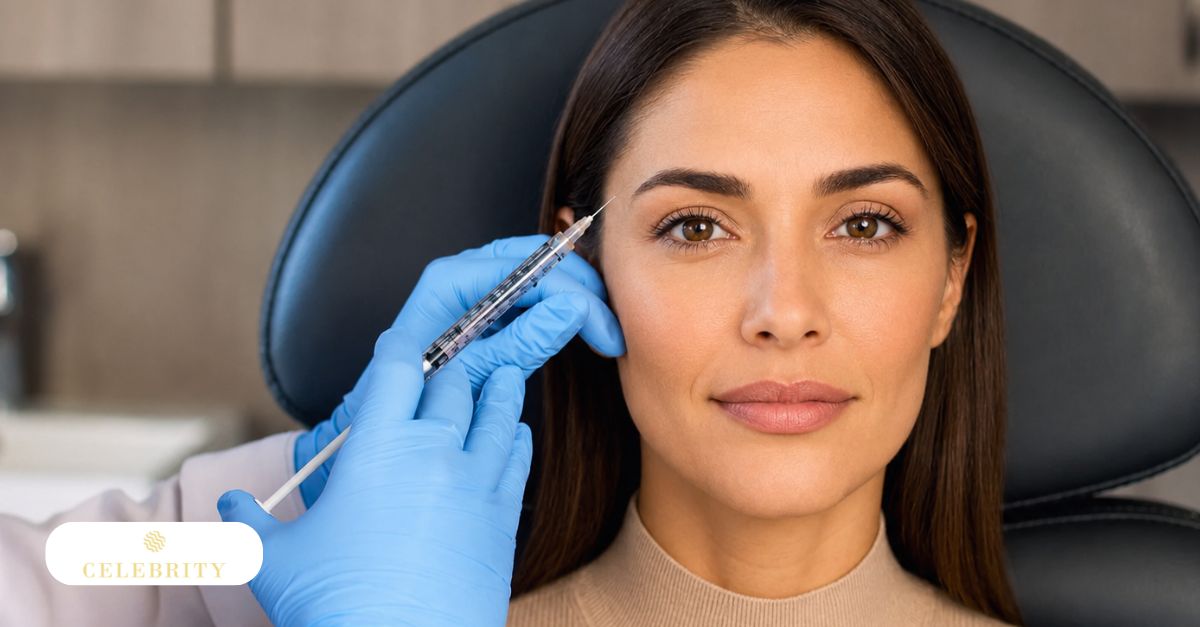
The process begins with a small blood draw. The blood is spun at a controlled speed to isolate the platelet-rich portion. A portion of the plasma is then gently heated to form a gel. When combined, these elements create a material that can be injected similarly to a filler but behaves differently once inside the skin.
Instead of simply filling space, EZ Gel works by stimulating collagen and elastin production. The fibrin matrix releases growth factors gradually, encouraging the skin to repair and thicken over time. Improvements in texture, firmness, and tone typically appear over several weeks.
Because the material comes from your own body, it has a low risk of allergic reaction. However, results still depend on preparation technique, injection skill, and individual healing response.
Note: It is also important to note that research on PRF-based treatments is still developing. While early clinical use shows promising improvements in skin quality, results can vary and are generally less predictable than traditional fillers.
What are traditional dermal fillers?
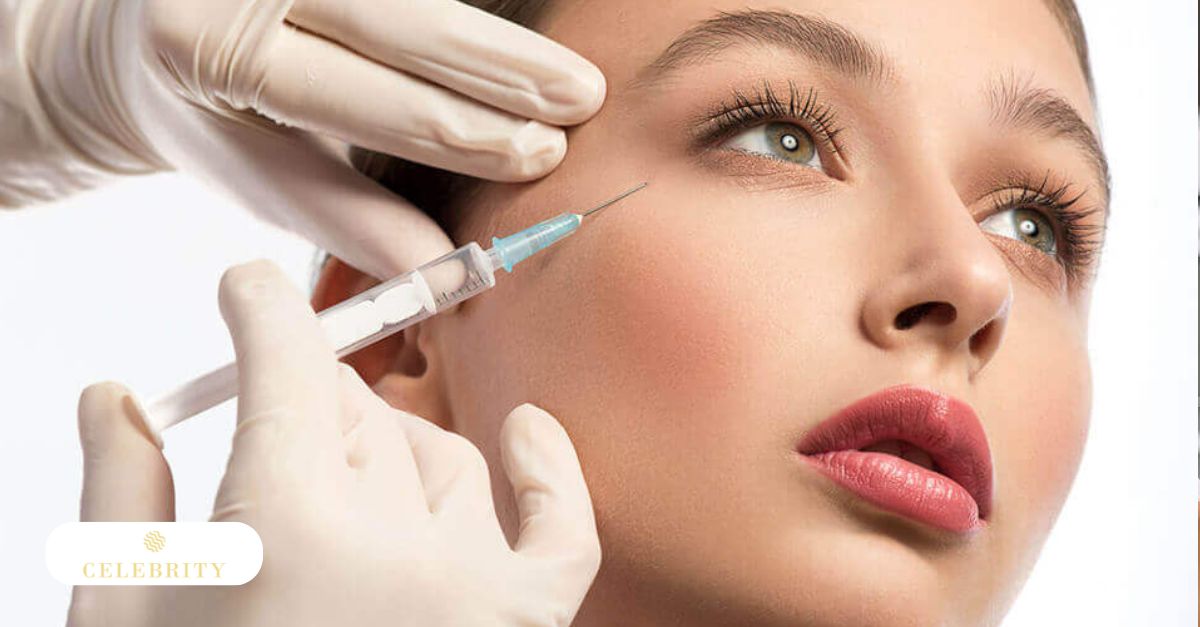
Traditional dermal fillers are injectable treatments used to restore volume, soften deeper lines, and support facial contours. In aesthetic medicine, many commonly used fillers are made with hyaluronic acid, a substance naturally found in the body that helps retain moisture and support skin structure.
Hyaluronic acid fillers work by adding controlled volume beneath the skin. This can make them useful for concerns such as under-eye hollows, facial volume loss, and deeper folds where structural support is needed. One of their main advantages is that results are usually visible shortly after treatment, although swelling and settling can affect the final appearance.
Most hyaluronic acid fillers are temporary. Results commonly last several months to more than a year, depending on the specific product, treatment area, injection technique, and individual factors such as metabolism and facial movement.
Another important feature of hyaluronic acid fillers is that they can often be adjusted or dissolved with hyaluronidase if needed. This does not remove all risk, but it can help manage certain complications or unsatisfactory results when used by a qualified provider.
EZ Gel vs Traditional Fillers: Key Differences Explained
Understanding the differences between these treatments requires looking beyond surface-level results. Factors such as composition, how results develop, and how each treatment interacts with the skin all influence which option is more appropriate.
Composition and Source Material
EZ Gel is derived from your own blood, meaning the body recognizes it immediately. There is no foreign material involved. Traditional fillers are manufactured products made from hyaluronic acid.
This distinction matters for patients concerned about compatibility. EZ Gel has a lower risk of allergic reaction because it is derived from the patient’s own blood. Hyaluronic acid fillers are generally well tolerated, but they still carry a small risk of hypersensitivity or other treatment-related complications.
How Results Develop
Fillers provide immediate change. Volume is visible as soon as the product is placed, making them suitable for patients who want fast correction.
EZ Gel works more slowly. Some initial fullness may be present due to the gel itself, but the real changes appear over several weeks as collagen production increases. The improvement is progressive, which often leads to a more subtle and natural look.
How They Work in the Skin
Fillers act as structural support. They occupy space and lift tissue to reduce hollows and wrinkles. EZ Gel works differently by improving the condition of the skin itself. It promotes collagen production and tissue repair, leading to thicker, more resilient skin over time rather than immediate structural change.
Treatment Experience: Fillers vs EZ Gel
The treatment process differs slightly between the two options. EZ Gel requires a blood draw and preparation phase before injection, which adds time to the appointment.
Fillers are pre-made and injected directly into the treatment area. Both procedures are generally completed within an hour and involve minimal discomfort when numbing is used.
EZ Gel vs Traditional Fillers: Longevity and Maintenance
Fillers typically last between six and eighteen months, depending on the product and area treated. Maintenance sessions are required to maintain results.
EZ Gel results are commonly maintained with a series of treatments and periodic maintenance, but longevity varies because results depend on individual healing and collagen response.
Safety and Risk Profile
Most side effects from dermal fillers are mild and temporary, including swelling, bruising, tenderness, and redness at the injection site. These reactions often resolve without treatment.
More serious complications are rare but clinically important. These can include vascular occlusion, tissue damage, or vision-related issues if filler is injected into a blood vessel. While uncommon, these risks highlight the importance of experienced providers.
EZ Gel avoids risks related to synthetic materials, but outcomes still depend on proper technique and patient factors.
EZ Gel vs Fillers: Which Looks More Natural Under Eyes?
The under-eye area has thin skin and limited support, making treatment choice critical.
EZ Gel integrates into the tissue and improves skin quality, often resulting in a softer appearance over time. Fillers can also look natural, but results depend heavily on technique and product selection.
Best For (Comparison Table)
This table breaks down EZ Gel and fillers by key goals like results speed, skin quality, safety, and volume correction to guide your choice.
| Concern Or Goal | EZ Gel | Traditional Fillers |
| Natural Treatment | Yes | No |
| Immediate Results | No | Yes |
| Skin Quality Improvement | Yes | Limited (Indirect Only) |
| Significant Volume Loss | Limited | Yes |
| Under-Eye Risk Profile | Fewer Filler-Specific Risks | Technique-Sensitive |
| Long-Term Regeneration | Yes | No |
EZ Gel vs Fillers for Under Eyes: Which Treatment Works Best?
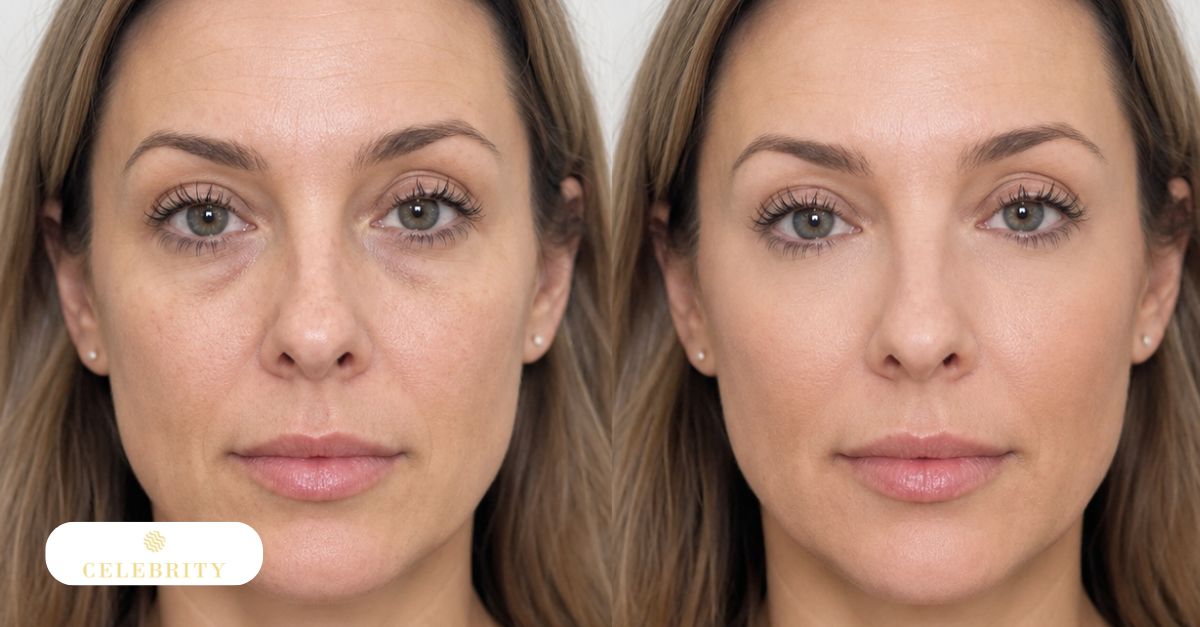
The under-eye area requires careful assessment because small changes can significantly affect appearance. Concerns such as dark circles, hollowness, fine lines, and puffiness often overlap, making treatment selection more complex.
Fillers are often used when there is noticeable volume loss that needs immediate correction. They can restore structure effectively but may carry a higher risk of swelling or visible product in this delicate area.
EZ Gel is better suited for improving skin quality, especially in cases where thin skin or discoloration is the main concern. It works gradually and reduces the likelihood of common filler-related issues in this region.
In clinical practice, the choice depends on whether the primary concern is structural hollowing or overall skin condition.
f EZGel is the better fit for your under-eye concerns, reserve your EZGel session.

Which is better for fine lines and wrinkles?
Fine lines and wrinkles have different causes, and treatment should match the underlying issue. Some are caused by volume loss, while others result from thinning skin and reduced collagen. Fillers are effective for deeper folds that require structural support. They smooth the skin by lifting from underneath.
However, fillers primarily restore volume and do not directly improve skin quality or stimulate collagen in the same way regenerative treatments do.
EZ Gel improves the condition of the skin by increasing collagen production. This makes it more appropriate for fine lines, early wrinkles, and areas where texture is the main concern.
EZ Gel vs Traditional Fillers: Pros and Cons You Need to Know
Comparing benefits and limitations side by side helps clarify which treatment aligns better with your goals. Each option has strengths that make it more suitable in specific situations.
| Category | EZ Gel | Fillers |
| Benefits | Natural, Improves Skin Quality, Low Reaction Risk | Immediate Results, Strong Volume Control |
| Limitations | Gradual Results, May Need Multiple Sessions | Does Not Improve Skin Quality, Risk of Swelling |
| Ideal Use | Subtle Changes, Delicate Areas | Defined Contours, Deeper Volume Loss |
Who Is a Good Candidate for EZ Gel vs Fillers?
Choosing between EZ Gel and fillers depends on factors such as age, skin condition, and desired results. Patients with early signs of aging or thinner skin often prefer EZ Gel because it improves skin quality over time.
Fillers are better suited for individuals with more advanced volume loss or those who want immediate correction. They are also commonly used when facial contouring is part of the treatment plan.
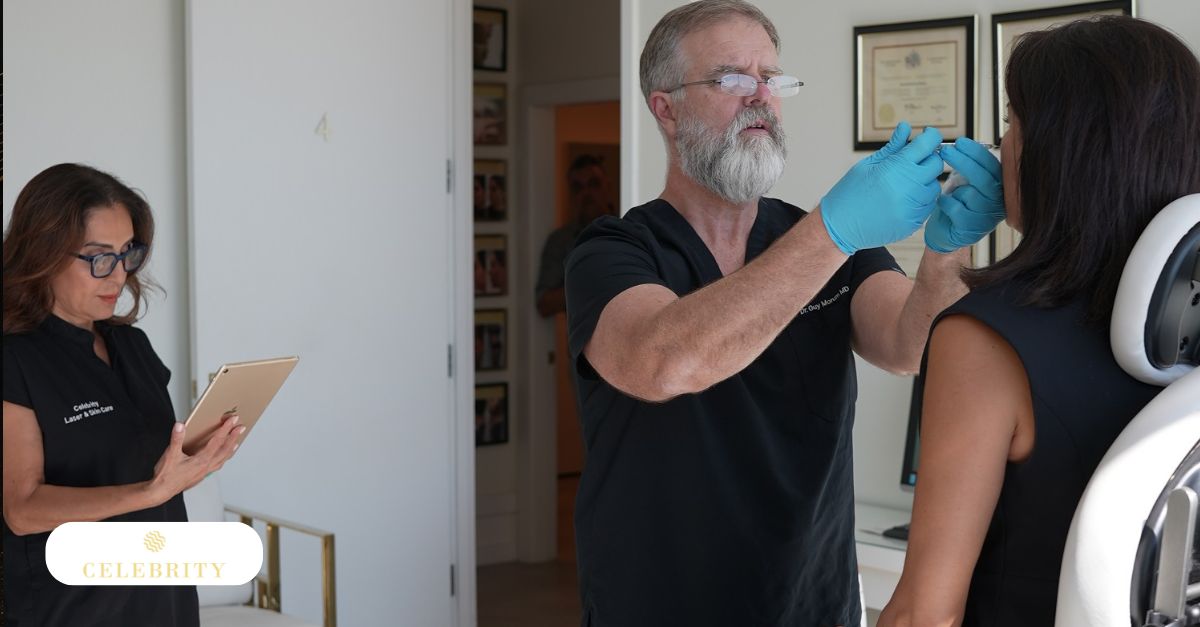
A proper consultation is necessary to assess medical history, risk factors, and treatment goals before deciding on the most appropriate option.
Can You Combine EZ Gel and Fillers for Better Results?
In many cases, combining both treatments produces more balanced and natural-looking results. Each treatment addresses a different aspect of facial aging, making them complementary rather than competitive.
A common approach involves using fillers to restore structure in areas like the cheeks while applying EZ Gel to improve skin quality in more delicate regions such as the under-eyes.
This combined method allows for both immediate correction and gradual improvement, which can lead to a more refined overall outcome.
What to Expect During Treatment and Recovery
Understanding the treatment process helps set realistic expectations. Both EZ Gel and fillers are minimally invasive procedures performed in a clinical setting.
EZ Gel involves a blood draw, preparation of the material, and then injection into the target area. Fillers are injected directly without preparation.
After treatment, mild swelling or bruising may occur. This typically resolves within a few days. Most patients can return to normal activities shortly after their appointment, with only minor temporary restrictions.
EZ Gel vs Fillers Cost Comparison: Which Is More Worth It?
Cost is an important consideration, but it should be evaluated alongside results and longevity. Prices vary depending on the provider, treatment area, and number of sessions required.
EZ Gel may involve multiple sessions initially, which can increase the upfront investment. Fillers are usually performed in a single session but require maintenance over time.
The overall value depends on whether you prioritize gradual skin improvement or immediate structural correction.
EZ Gel vs Fillers: Are Results Reversible or Permanent?
One key difference between these treatments is reversibility. Hyaluronic acid fillers can be dissolved if needed, which provides flexibility in case adjustments are required.
EZ Gel cannot be reversed once injected. However, because results develop gradually and integrate naturally, changes tend to be more subtle and easier to manage when performed conservatively.

Why Choose Celebrity Laser & Skin Care in North Vancouver?
Choosing the right provider is critical, particularly for delicate areas like the under-eyes where precision directly affects results.
At Celebrity Laser & Skin Care, both EZ Gel and traditional fillers are offered with a focus on careful assessment and balanced outcomes. Treatment plans are tailored based on facial structure, skin condition, and long-term goals rather than a standard approach.
If you are considering treatment for under-eye concerns or fine lines, a consultation provides a clear evaluation and a plan suited to your specific needs.
Book a consultation at Celebrity Laser & Skin Care to receive a personalized assessment and determine whether EZ Gel, fillers, or a combination approach is most appropriate for your goals.
Final Verdict: Is EZ Gel Better Than Fillers?
EZ Gel is not a direct replacement for traditional fillers, but it offers clear advantages in certain situations. It is particularly effective for improving skin quality, treating delicate areas, and producing gradual, natural-looking results.
Fillers remain the better choice for immediate volume correction and structural enhancement. They provide predictable results and are highly effective when used appropriately.
For many patients, the best outcome comes from matching the treatment to the concern being addressed. Patients seeking immediate correction of under-eye hollows or facial volume loss often benefit more from hyaluronic acid fillers, while those focused on improving skin quality, fine lines, and a natural regenerative approach may be better candidates for EZ Gel.
In some cases, combining both treatments can provide the most balanced result. A professional consultation can help determine which option best aligns with your anatomy, goals, and expectations.