At a Glance:
Hormonal fluctuations can affect oil production, hydration, sensitivity, and skin texture, even when your skincare routine remains the same. This can make previously effective products feel less helpful. Changes related to life stages, stress, or medication often explain these shifts, helping clarify why skincare does not always deliver consistent results.
Skin is a dynamic organ, constantly responding to both external factors and internal signals. While consistent use of skincare products can maintain a clear, healthy complexion for some time, sudden changes in skin behavior often stem from deeper, internal influences. One of the most significant is hormones.
Hormonal fluctuations can alter oil production, sensitivity, hydration, and even the way skin heals. Hormones can impact skin in a variety of ways, and understanding these effects can help explain why skincare stops working and how to recognize when hormones are playing a role.
How Hormones Affect Skin and Why Skincare Doesn’t Always Work
Many people feel frustrated when a skincare routine that once worked seems suddenly ineffective. The reason is often internal: hormones. Skin is highly responsive to hormonal signals, which regulate functions such as sebum production, inflammation, hydration, and cell turnover.
For example, an increase in androgens can overstimulate oil glands, causing breakouts. A drop in estrogen may reduce skin hydration and weaken the skin barrier, making previously tolerated products feel irritating. Cortisol, the stress hormone, can increase inflammation and sensitivity, further complicating skin management.
Topical products are designed to address surface issues, hydration, exfoliation, and mild inflammation. When internal hormonal shifts occur, these products cannot fully counteract the changes, which explains why a once-effective routine may seem suddenly inadequate.

What are hormones and why do they impact skin health?
Hormones are chemical messengers that travel through the bloodstream to regulate functions in different organs, including the skin. They can influence oil production, collagen formation, water retention, and inflammatory responses.
Skin is considered a “hormone-responsive organ” because it reacts quickly to fluctuations. Even small changes in hormone levels can cause noticeable differences in texture, sensitivity, and oiliness. Common hormones affecting skin include:
- Estrogen – Maintains hydration, supports barrier function, and regulates collagen.
- Progesterone – Influences fluid retention and oil balance.
- Androgens (e.g., testosterone) – Stimulate oil glands, increasing sebum production.
- Cortisol – Can trigger inflammation and exacerbate breakouts.
- Insulin – Impacts skin indirectly through blood sugar regulation and acne risk.
Understanding that hormones directly affect skin behaviour can help explain sudden flare-ups, dryness, or sensitivity, and reduces the tendency to blame products alone. It also helps identify hormonal imbalance skin symptoms before overhauling a routine unnecessarily.

How Hormonal Changes Show Up on the Skin
Hormonal changes often appear as visible shifts in skin behaviour, sometimes seeming sudden even when skincare routines stay the same. These changes usually develop internally before showing on the surface. A common sign is adult acne, especially along the jawline, chin, or lower cheeks.
Breakouts often follow a cycle and are deeper, more inflamed, and slower to heal than surface blemishes. Hormones also affect hydration and barrier strength. Skin may feel dry or dehydrated despite moisturizing, or become more sensitive, reacting to products that were previously tolerated.
Redness and irritation are often linked to barrier disruption rather than product failure. Changes in skin texture, such as dullness or unevenness, can reflect slower renewal or ongoing inflammation. Unlike surface-level issues, hormonal skin concerns begin internally, which explains why they can persist despite consistent skincare.
Hormones and Common Skin Concerns
Hormonal fluctuations significantly impact skin health, causing acne, dryness, sensitivity, and visible signs of aging.
How Hormonal Changes Trigger Acne, Oiliness, and Breakouts
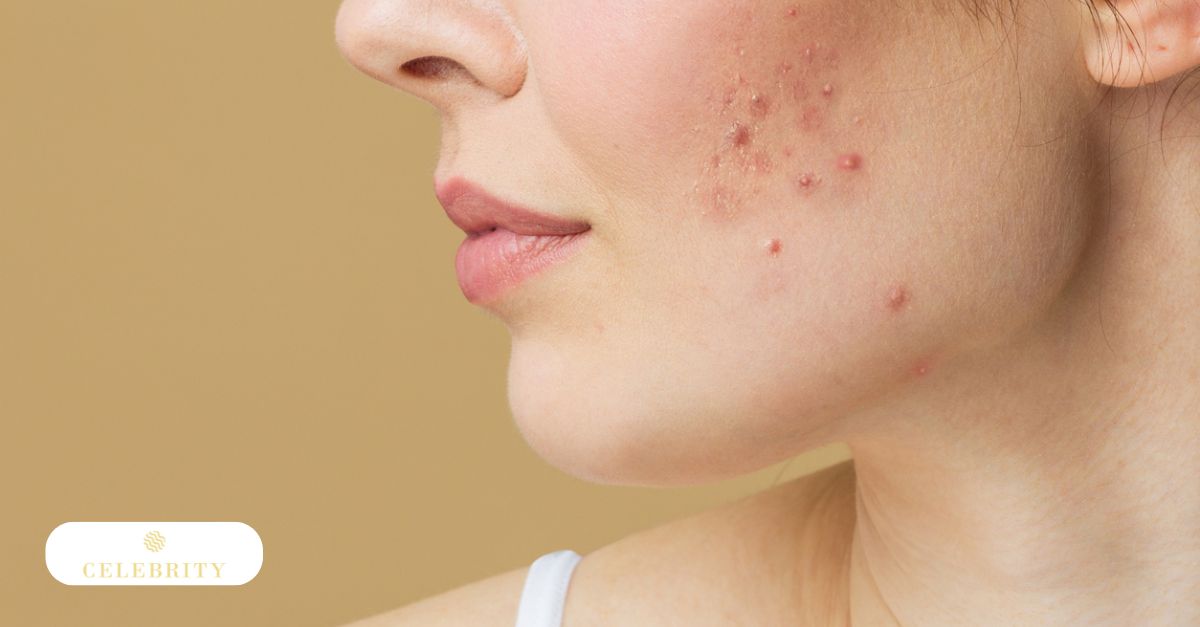
Adult acne is closely linked to androgen activity. When androgen levels rise or the skin becomes more sensitive to them, oil glands produce excess sebum. This combines with dead skin cells to clog pores, creating an environment where breakouts thrive.
Hormonal acne often appears deeper under the skin, is more inflammatory than surface-level breakouts, and heals more slowly. It frequently emerges along the jawline, chin, and lower cheeks rather than the forehead or nose, as seen in teenage acne. Understanding this pattern helps distinguish hormonal acne from other types.
How Hormones Affect Skin Dryness, Sensitivity, and Barrier Damage
Estrogen plays a critical role in maintaining barrier lipids, which help retain moisture and protect against irritants. A drop in estrogen can compromise the skin barrier, leading to dryness, tightness, and heightened sensitivity.
During these shifts, previously tolerated ingredients like retinoids or exfoliating acids may cause irritation. Moisturizers might feel insufficient because the underlying barrier function has been affected, not because the products themselves are ineffective.
Hormones and Aging Skin – Wrinkles, Sagging, and Texture Changes
Hormones also influence skin aging. Estrogen supports collagen production and maintains elasticity. During perimenopause and menopause, reduced estrogen accelerates wrinkles, sagging, and changes in texture.
This hormones and skin aging process differs from environmental aging caused by sun exposure or pollution. While skincare can support hydration and barrier health, internal hormonal changes largely drive structural changes in the skin.
Life Stages Where Hormones Strongly Affect Skin
Hormone levels naturally shift at various stages of life, often causing temporary or cyclical changes in skin behaviour.
- Puberty – Androgen surges increase oil production, leading to breakouts.
- Menstrual cycle changes – Hormone fluctuations may trigger premenstrual breakouts and sensitivity.
- Pregnancy – Changes in estrogen and progesterone can cause temporary glow or acne.
- Postpartum – Rapid hormone shifts often trigger breakouts, dryness, and sensitivity.
- Perimenopause & menopause – Decreased estrogen affects hydration, elasticity, and barrier function.
- Birth control medication – Starting or stopping hormonal contraception can temporarily alter skin behaviour.
- Stress-related hormonal shifts – Chronic stress and elevated cortisol can worsen breakouts and sensitivity.
Recognizing these patterns helps normalize skin changes and reduces unnecessary frustration.
Why Skincare Sometimes Stops Working When Hormones Change
Skincare products target surface-level issues such as hydration, exfoliation, and minor inflammation. They are not designed to counteract deep hormonal changes. When hormones fluctuate, they can override the effects of a routine.
For instance, excess oil from androgen surges can overwhelm cleansers or moisturizers, and a weakened barrier due to lower estrogen can make actives feel harsh.
Using more products or stronger treatments is often counterproductive. Adapting the routine to current skin needs is more effective than intensifying treatment.
Hormones vs Skincare Products: What Each Can and Can’t Do
Understanding the limits of skincare helps set realistic expectations:
Skincare products: Hydrate, exfoliate, soothe, and support barrier function. They improve surface appearance but cannot fully regulate hormonal activity.
Hormonal influence: Drives oiliness, inflammation, collagen production, and barrier health. These internal processes largely determine skin behaviour.
Over-treating the skin during hormonal shifts can worsen sensitivity and irritation. Recognizing that products address symptoms rather than root causes allows for more balanced care.
Why Hormonal Skin Issues Are Often Misdiagnosed or Ignored
Hormonal skin changes are often mistaken for poor skincare habits or “bad skin.” When new breakouts, dryness, or sensitivity appear, people commonly blame products instead of considering internal factors.
This leads to frequent product changes or over-treatment, which can worsen irritation without addressing the real cause. Because hormonal shifts are less obvious, they are often overlooked.
Professional assessment helps identify patterns linked to hormones and distinguish them from surface-level skin issues. This guidance reduces guesswork and supports more appropriate care decisions.

Professional Solutions for Hormone Skin Issues
When hormonal changes significantly affect the skin, professional input may help clarify what is happening and guide more appropriate care. The focus is not on overriding hormones, but on supporting the skin as it adapts to internal changes.
Laser and Light-Based Approaches
Light-based treatments may be used to help manage inflammation, redness, or post-breakout marks associated with hormonal acne. These approaches support the skin’s natural healing processes and are typically introduced based on individual skin patterns and tolerance. Changes are gradual and vary depending on the condition being addressed.
Barrier-Repair Focused Treatments
During hormonal shifts, especially those involving reduced estrogen, the skin barrier may become more sensitive or compromised. Professional treatments that focus on hydration and barrier support can help improve comfort and resilience when the skin becomes reactive or less tolerant to active products.
Professional Skin Assessments
A professional assessment helps identify patterns, such as cyclical breakouts or changes linked to life stages. Instead of focusing only on visible symptoms, care plans are adjusted based on how the skin is responding internally. Any approach is tailored to the individual and depends on timing, skin condition, and overall context.
In the Greater Vancouver area, many individuals seek professional guidance not because their skincare routine has failed, but because their skin has entered a different phase that requires a more informed approach.
Final Thoughts – Understanding Hormones Is Key to Understanding Your Skin
Hormones have a significant influence on how skin behaves, often explaining sudden breakouts, dryness, or sensitivity. Skincare products remain important, but they cannot fully control internally driven changes. Recognizing hormonal patterns, adapting routines, and seeking professional guidance when needed helps keep skincare effective, realistic, and less stressful.
For those seeking clarity on persistent or age-related skin changes, a professional consultation can help assess patterns and provide guidance based on individual skin needs.