At a Glance:
IPL can fade freckles by breaking down excess melanin, leading to a more even skin tone. It does not bleach the skin but helps reduce dark pigment from sun damage. Other options such as creams, peels, and lasers, can help, but IPL offers noticeable results with minimal downtime. A consultation determines suitability based on skin type and pigment depth.
The attractive clusters of pigmented patches on the skin known as freckles may give our faces a one-of-a-kind look. Freckles are a wonderful trait for some individuals, but they may make others feel insecure or wish they had a more even skin tone. Fortunately, there are effective options available, and one of them is Intense Pulsed Light (IPL) therapy, for those who fall into the latter type.
IPL offers a focused method to improve visible pigment without surgery and is often selected by patients looking for gradual, natural-looking improvement.
What causes freckles?
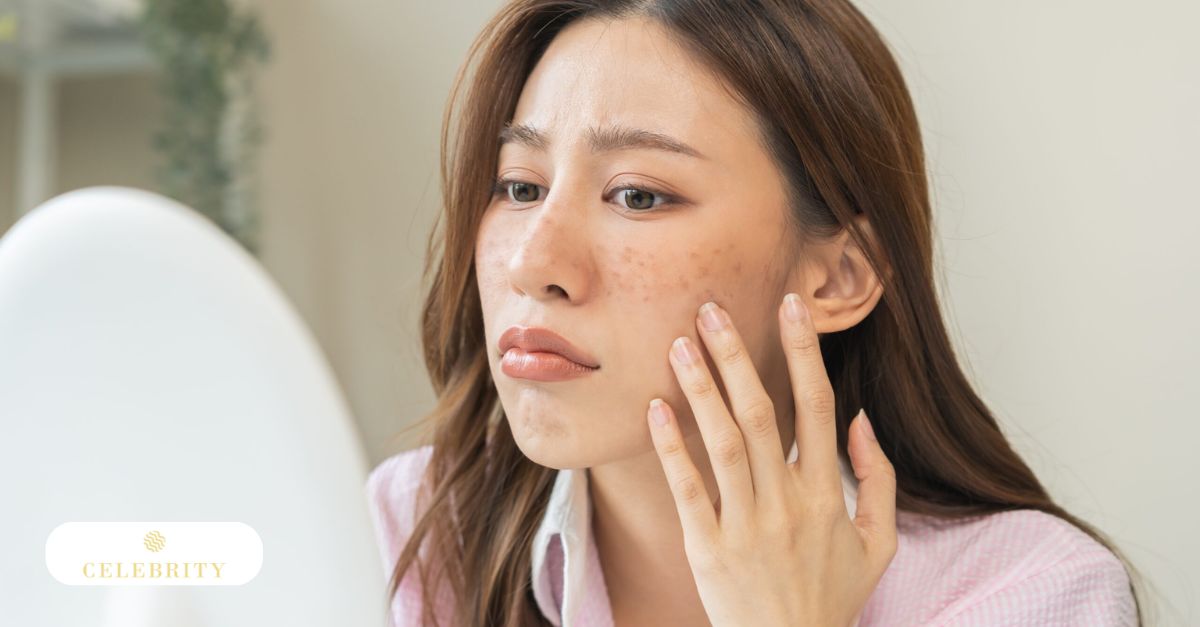
Freckles are small, flat, pigmented skin spots on the arms, shoulders, and face. They result from melanin overproduction, which colours eyes, hair, and skin. People with plenty of melanocytes get freckles from sunlight and UV radiation. Fair-skinned, light-haired, and eye-coloured people have more freckles.
Small, varied colours, dispersion, and sunshine response are their main characteristics. Freckles are different from sunspots, moles, and other pigmented skin issues, so if they alter size, form, or colour, contact a dermatologist. Understanding freckle origins and appearance might help IPL patients attain a more even and radiant complexion.
To support the reader, freckles often develop in childhood after sun exposure. Over time, repeated ultraviolet exposure can darken them. Genetics also plays a strong role, which means some individuals will always develop freckles more easily regardless of their outdoor habits.
How does the IPL remove freckles?
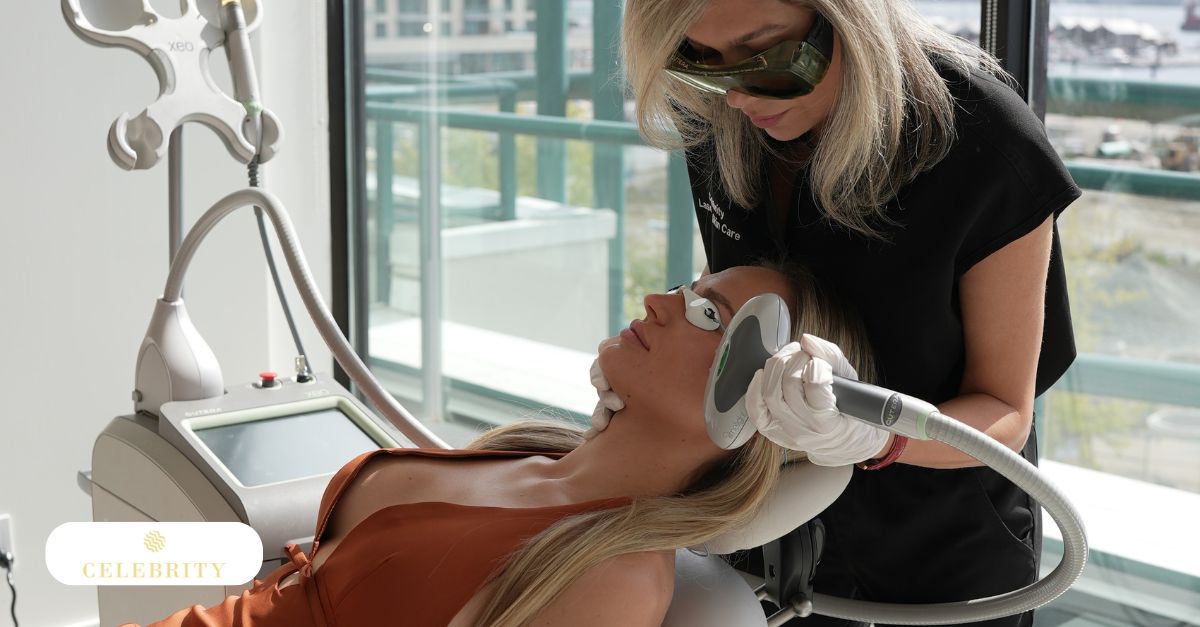
Increasingly common intense pulsed light (IPL) treatment may lessen or eradicate freckles. IPL targets excess melanin to reduce freckles using a broad spectrum of light wavelengths.
- IPL treatment targets extra melanin with a wide range of light wavelengths to lighten freckles or get rid of them.
- The process works by selective photo thermolysis, which means that the melanin pigment takes in light energy from the IPL machine.
- The IPL machine goes after melanin, the pigment that causes freckles, and destroys both freckles and healthy skin.
- The melanin receives the light energy and breaks down, disappearing.
- When the body’s defense system breaks down and gets rid of broken melanin, freckles fade or go away completely.
- IPL treatment may increase the production of collagen in the skin, which can improve its tone, structure, and stiffness.
- When done by a professional, IPL treatment is usually thought to be a safe and painless procedure.
This step-based process does not lighten the surrounding skin; instead, it focuses on pigment concentration. Most patients notice fading within a few weeks as the body clears the disrupted pigment.
At Celebrity Laser & Skin Care, we use Limelight IPL, an advanced, non-invasive system designed to target pigmentation with precision and minimal downtime. Its customizable wavelength technology allows us to safely and effectively treat various skin types and concerns, including freckles, redness, and sun damage.
Does IPL lighten skin?
This question is common for individuals considering pigmentation treatment. IPL does not bleach the skin or change the natural skin tone. Instead, IPL reduces the appearance of concentrated dark pigment, freckles, sunspots, and uneven tone, by breaking down excess melanin so that the skin looks more uniform.
Typical outcomes are:
- Freckles soften or fade
- Clusters of sun damage lighten
- Overall skin tone appears more even
Because the light targets pigment, individuals with very dark skin tones are usually evaluated carefully before treatment to avoid unwanted darkening or lightening. A qualified provider will determine whether the treatment is appropriate for each skin type.
IPL vs. Other Freckle Removal Methods
Several procedures may remove freckles. Each method has benefits, downsides, and success rates. To compare Intense Pulsed Light (IPL) therapy to other common freckle removal methods, here are some:
Topical Creams and Lotions
Hydroquinone, retinoids, and vitamin C topical creams and lotions are available over-the-counter or by prescription.
Pros: Safe, simple, and attainable at home. Lotions may progressively remove flecks.
Cons: It may take time to work. Creams don’t work well on freckles, especially pigmented ones.
Chemical Peels
Applying a solution of acids (e.g., trichloroacetic acid or glycolic acid) to the skin removes the outer layer.
Pros: Reduces freckles and improves skin tone and texture. Recovery is fast.
Cons: Deep or stubborn freckles may not respond to chemical peels. Maybe many sessions are required. Possible skin reddening, irritation, and sensitivity.
Laser Treatment to Remove Freckles
Lasers target freckles to eliminate excess melanin.
Pros: Effective freckle targeting, customized therapy. Eliminate or lighten freckles significantly.
Cons: Laser treatments may need recovery. Possible side effects include redness, edema, and temporary hyperpigmentation. Warning: this product may irritate skin.
To provide further clarity for readers comparing options, here is a structured breakdown based on their common questions.
Learn more: IPL vs. LED
Comparison Table: Freckle Removal Options
A simple reference table helps compare common freckle treatments by process, expectations, and typical outcomes.
| Treatment | How It Works | Time to Results | Downtime | Effectiveness for Freckles |
| IPL | Broad Light Targets Melanin Clusters | Weeks After Each Session | Minimal | High for Scattered Freckles |
| Topical Creams | Lightens Pigment Production | Months of Use | None | Mild for Deep Freckles |
| Chemical Peels | Removes Surface Layers | Within a Few Days 1 | Low to Moderate | Moderate Depending on Depth |
| Laser | Focused Energy Destroys Pigment | Several Weeks | Moderate | High for Targeted Pigmentation |
Aftercare for IPL Treatment
To support results, aftercare tips usually involves:
- Regular sunscreen use to prevent new pigmentation and protect healing skin
- Avoiding hot tubs, saunas, and direct heat for a short period to reduce inflammation
- Gentle skin care and reduced exfoliation until redness settles and sensitivity improves
Some patients also limit outdoor activity for several days, increase moisturization, and follow provider-specific guidance regarding makeup use. Careful management during this period helps preserve the outcome of each session.
IPL for Freckles in North Vancouver
Individuals in the North Vancouver area often seek IPL for facial sun damage, freckle concentration on the cheeks, and pigment changes from long-term ultraviolet exposure. Local treatment providers usually recommend a series of appointments spaced a few weeks apart. Because North Vancouver residents are active outdoors, ongoing sunscreen use is commonly recommended to maintain results.
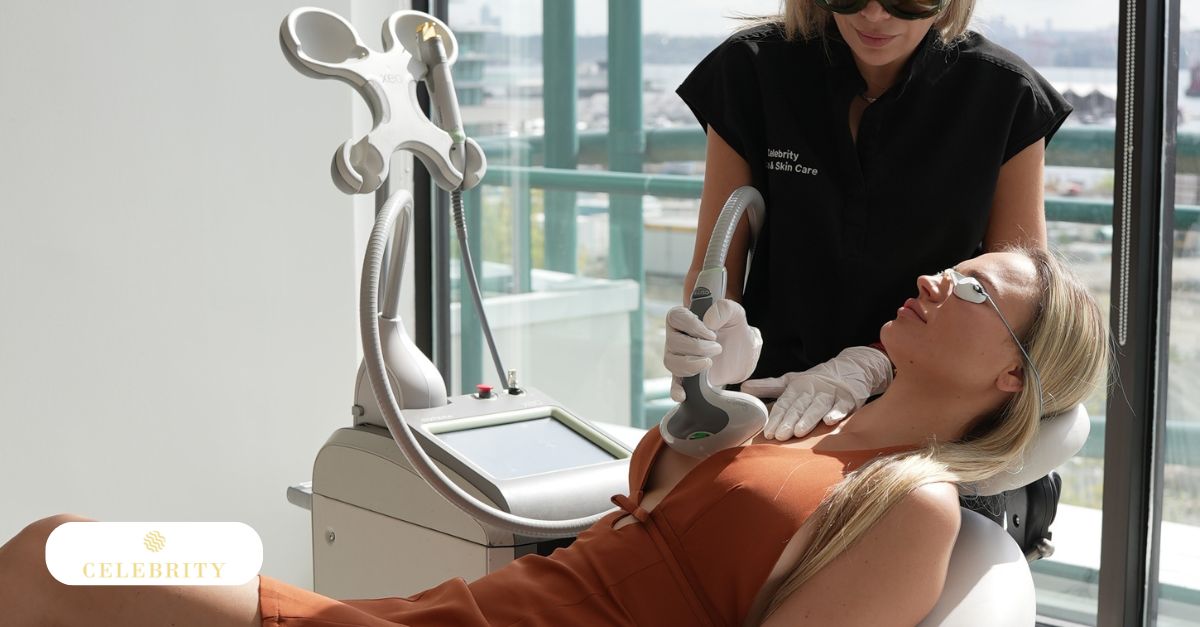
Celebrity Laser & Skin Care uses Limelight IPL, a Health Canada–approved system that allows for tailored wavelength settings and minimal recovery time, making it ideal for treating freckles and sun damage in active, fair-skinned individuals.
Conclusion
IPL breaks down concentrated melanin and allows the body to clear pigment that contributes to freckles. For many individuals, a series of treatments results in lighter pigmentation and smoother skin tone.
With advanced technology like Limelight IPL, clients receive focused, reliable care suited to their individual skin tone and pigmentation profile.
Those considering treatment should consult a trained provider, such as the team at Celebrity Laser & Skin Care, to review skin type, pigment depth, and expected outcomes.
A consultation also helps determine treatment frequency, realistic timelines, and whether supportive care, such as sunscreen use or topical products, should be added. This approach gives patients a clearer understanding of what IPL can achieve for their specific skin concerns.