At a Glance:
Cellulite cannot be completely removed, but it can be reduced and improved in appearance. Natural methods such as exercise and diet may support skin texture, though their effect on underlying structure is limited.
Professional treatments target deeper tissue layers and may provide more noticeable results over time. Improvements are gradual, typically require multiple sessions, and may need ongoing maintenance depending on individual response.
Cellulite cannot be completely removed, but its appearance can often be reduced and improved with the right approach. The difference is important; while the underlying skin structure remains, visible dimpling and uneven texture may become less noticeable over time.
Many people feel frustrated when creams, workouts, or home remedies do not deliver consistent results. This is because cellulite is influenced by multiple factors, including skin thickness, fat distribution, connective tissue, and lifestyle habits. Outcomes vary based on these individual factors. In this blog, we’ll break down what causes cellulite, which natural methods may help, and what clinical treatments can realistically achieve.
What is cellulite and why does it happen?
Cellulite is a common skin condition that appears as dimpling or uneven texture, most often on the thighs, buttocks, and hips. It develops when fat beneath the skin pushes upward while fibrous connective bands pull the skin downward. This opposing pressure creates the characteristic “dimpled” or “orange peel” appearance.
Several factors influence how visible cellulite becomes. Fat distribution and the structure of connective tissue play a central role, while hormones (particularly estrogen) can affect how fat is stored and how connective tissue behaves.
Genetics also contribute, as some individuals naturally have thinner skin or a structure that makes dimpling more noticeable. Lifestyle factors, such as physical activity levels and circulation, may also have an impact.
Importantly, cellulite is not limited to any specific body type. Even individuals who are slim or physically active can develop cellulite due to underlying skin structure and genetic factors rather than body weight alone.

Where does cellulite commonly appear?
Cellulite tends to develop in areas where fat is more readily stored and where structural support under the skin varies.
- Buttocks: The buttocks commonly show cellulite due to higher fat storage and strong connective bands that pull the skin inward, creating visible dimpling under pressure.
- Thighs (legs): Cellulite on the legs, particularly the upper thighs, is influenced by fat distribution and thinner skin layers, making surface irregularities easier to see when asking how to get rid of cellulite on legs.
- Hips: The hip area often accumulates fat in a way that presses unevenly against connective tissue, contributing to a more pronounced textured appearance.
- Abdomen: Cellulite on the abdomen is less common but can appear due to localized fat storage and reduced skin firmness, especially with age or hormonal changes.

What causes cellulite on legs and buttocks?
Cellulite is often more visible on the legs and buttocks because these areas tend to store more fat and have connective tissue patterns that make surface dimpling more noticeable.
In these regions, circulation and lymphatic flow may be less efficient compared to other parts of the body. This can contribute to fluid retention and reduced clearance of metabolic byproducts, which may make the skin appear less smooth. Hormonal factors, particularly estrogen, also influence how fat is stored and how connective tissue behaves in these areas.
These structural characteristics make cellulite on the legs and buttocks more resistant to visible change, which is why many people specifically search for how to get rid of cellulite on buttocks naturally or improve its appearance on the legs.
Is it possible to get rid of cellulite or only reduce it?
Cellulite cannot be fully eliminated, but it can be reduced and improved in appearance. “Removal” would mean eliminating it entirely, which is not currently possible. “Reduction,” however, refers to making the skin look smoother and less dimpled, which can be achieved to varying degrees.
This limitation exists because cellulite is tied to the structure of the skin itself. Fat beneath the surface, connective tissue, and skin layers interact in a way that creates visible unevenness. Even when one factor improves, the others still influence how the skin looks, making complete elimination difficult.
Most approaches provide temporary or gradual improvement rather than permanent change. Results often require ongoing maintenance, as the underlying structure and contributing factors remain over time. This is why no single solution can deliver lasting, complete removal.
Common claims around “miracle creams” or quick fixes are often overstated. Topical products may temporarily improve skin hydration or texture, but they do not significantly affect the deeper structural causes of cellulite.
Weight loss can reduce the appearance of cellulite in some cases, particularly if excess fat is a contributing factor. However, it does not eliminate the structural causes, and cellulite can still be present in individuals with low body fat.

How to Get Rid of Cellulite Naturally on Legs and Buttocks (And What Actually Helps)
Natural approaches are often the first step for individuals trying to improve cellulite on the legs and buttocks. While these methods can support skin texture and overall appearance, their effects are typically gradual and vary based on individual factors.
Exercise and Strength Training for Reducing Cellulite
Exercise is often one of the first approaches people try when considering how to get rid of cellulite on legs.
Cardio helps reduce overall body fat, but strength training plays a more direct role in improving appearance. Building muscle can create a firmer base under the skin, which may reduce the contrast between fat and surface dimpling. This can make cellulite less noticeable, particularly on the thighs and buttocks.
However, while exercise supports overall body composition, it does not directly change the underlying structure that causes cellulite.
Learn More: Does Cellulite Go Away With Weight Loss?
Diet and Hydration for Improving Cellulite Appearance
Diet influences factors such as fat levels, water retention, and inflammation, all of which can affect how cellulite appears. Anti-inflammatory foods may support skin and tissue health, while balanced nutrition can help regulate fat storage patterns.
Hydration also plays a role by supporting skin elasticity and texture, making irregularities less pronounced. For those exploring how to get rid of cellulite on buttocks naturally, dietary adjustments can be helpful, but they function as support for overall skin and tissue health rather than directly altering cellulite structure
Learn More: Does Collagen Help With Cellulite?
Massage, Dry Brushing, and Home Remedies for Cellulite
Massage techniques, including dry brushing, are often used to stimulate circulation and encourage lymphatic movement. This can temporarily shift fluid distribution under the skin, which may make the surface appear smoother.
However, these effects are short-lived because they do not alter the underlying structure of the tissue. As circulation returns to baseline, the appearance of cellulite may gradually return, making these methods more suitable for temporary improvement.

Do cellulite creams help get rid of cellulite?
Topical creams often contain ingredients such as caffeine, which may temporarily tighten the skin by reducing water content, and retinol, which may support thicker skin over time. While these effects can lead to slight improvements in texture, they do not address deeper structural factors. As a result, any visible change is usually mild and does not last long.
Professional Treatments That Actually Work to Get Rid of Cellulite
When natural methods provide limited improvement, professional treatments are often considered to address deeper structural factors. These approaches target the skin and underlying tissue more directly, which may lead to more noticeable changes in texture and contour compared to home-based methods.
| Treatment | How It Works | Best For | Expected Results | Sessions Needed |
| Laser Treatments | Stimulates Collagen, Targets Fibrous Bands | Moderate Cellulite | Smoother Texture, Improved Firmness | Multiple Sessions |
| BodyFX (Radiofrequency-Based Treatment) | RF Energy + Suction + Pulsed Energy | Mild to Moderate Cellulite | Gradual Tightening and Smoothing | Series Recommended |
| VelaShape II | RF + Infrared + Vacuum + Massage | Legs, Buttocks | Improved Contour, Reduced Dimpling | 6–10 Sessions |
| Acoustic Wave Therapy | Mechanical Stimulation of Tissue | Early to Moderate Cellulite | Temporary Smoothing, Improved Circulation | Multiple Sessions |
| Subcision | Releases Fibrous Bands Mechanically | Deeper Cellulite | Noticeable Reduction in Dimpling | 1–3 Sessions |
➤ Not every cellulite treatment listed above is offered at every clinic. At Celebrity Laser & Skin Care, treatment recommendations are based on available technologies, clinical assessment, and whether the concern is best addressed through non-surgical body contouring, skin tightening, or referral for another option.
Laser Treatments for Cellulite Reduction
Laser-based cellulite treatments vary by device and technique. Some minimally invasive laser approaches target the fibrous bands that contribute to dimpling, while other laser-based treatments focus more on collagen stimulation and skin texture improvement.
How it works: Uses controlled laser energy to support collagen remodelling and, in some treatment types, address fibrous bands beneath the skin.
Who it’s best for: Individuals with moderate cellulite, skin laxity, or uneven texture who are suitable for a more targeted clinical approach.
Expected results: Smoother-looking skin, reduced dimpling, and improved firmness over time.
Number of sessions: Varies by device and treatment plan; some approaches require multiple sessions, while more advanced procedures may involve fewer treatments.
BodyFX (Radiofrequency-Based Treatment for Cellulite)
BodyFX is an advanced radiofrequency-based treatment that combines RF energy, suction, and pulsed electromagnetic energy to target both skin laxity and underlying tissue.
How it works: Delivers controlled heat into the dermis while using suction and pulsed energy to support circulation, stimulate collagen, and influence fat cell activity.
Who it’s best for: Individuals with mild to moderate cellulite, skin laxity, or areas where both texture and contour are concerns.
Expected results: Gradual improvement in skin firmness, smoother texture, and reduction in the appearance of dimpling over a series of treatments.
Number of sessions: Typically performed in multiple sessions as part of a structured treatment plan.
At Celebrity Laser & Skin Care in North Vancouver, BodyFX is used as part of customized treatment plans for patients seeking non-invasive cellulite reduction and skin tightening.

VelaShape II for Cellulite Reduction on Legs and Buttocks
VelaShape II combines multiple technologies to address cellulite in areas such as the thighs and buttocks, where structural factors are more pronounced. For smoother thighs, book your thigh contouring session.
How it works: Uses radiofrequency, infrared energy, vacuum suction, and mechanical massage to support circulation, tissue heating, and fluid movement
Who it’s best for: Individuals seeking how to get rid of cellulite on legs and buttocks with a non-invasive approach
Expected results: Improved contour and reduction in visible dimpling over time
Number of sessions: Typically 6–10 sessions for optimal results
VelaShape II for cellulite is a non-invasive option offered at Celebrity Laser & Skin Care, commonly used for treating areas such as the thighs and buttocks.
Ready to see real results? Reserve your Vellashape appointment.
Acoustic Wave Therapy
Acoustic wave therapy uses mechanical stimulation to influence tissue structure and circulation.
How it works: Applies pressure waves to stimulate circulation and encourage tissue remodeling
Who it’s best for: Early to moderate cellulite
Expected results: Temporary smoothing and improved skin texture
Number of sessions: Multiple sessions required
Subcision (Advanced Option)
Subcision is a more advanced approach used for deeper or more persistent cellulite.
How it works: Mechanically releases the fibrous bands pulling the skin downward
Who it’s best for: Individuals with deeper, more defined dimpling
Expected results: Noticeable reduction in indentation
Number of sessions: Often 1–3 sessions depending on severity
For individuals exploring how to get rid of cellulite more effectively, professional treatments can provide targeted improvement, though outcomes vary based on individual structure and treatment consistency.
Why Professional Treatments Work Better Than Home Remedies
Natural methods can support skin appearance, but professional treatments are designed to reach deeper layers where visible changes are more likely to occur. This difference in depth is a key reason why outcomes may be more noticeable with clinical approaches.
There is also a difference in approach. Creams and manual techniques rely on external application, while professional treatments use energy-based technologies to deliver controlled stimulation beneath the skin. As a result, home methods tend to provide short-term changes, while clinical treatments may support more sustained improvement over time.
For individuals seeking more consistent changes, this difference in depth and precision is often an important consideration when evaluating available options. This is why many individuals consider professional assessment to determine which approach is most appropriate for their condition.

What results can you expect when trying to get rid of cellulite?
When addressing cellulite, the goal is reduction rather than complete removal. Treatments are designed to improve skin texture and reduce the visibility of dimpling, rather than eliminate it entirely.
Results typically develop gradually over time. Multiple sessions are often required because changes occur in stages, particularly when deeper layers of tissue are involved. The number of sessions needed can vary depending on the severity of cellulite and individual response to treatment.
Maintenance is also an important part of long-term results. Because underlying structural factors remain, ongoing care may be needed to support improvements. Lifestyle factors such as physical activity, hydration, and overall health can also influence how long results are maintained.
Outcomes vary between individuals and depend on factors such as skin structure, consistency of treatment, and baseline condition. There is no instant or permanent solution, but gradual and realistic improvements are achievable.
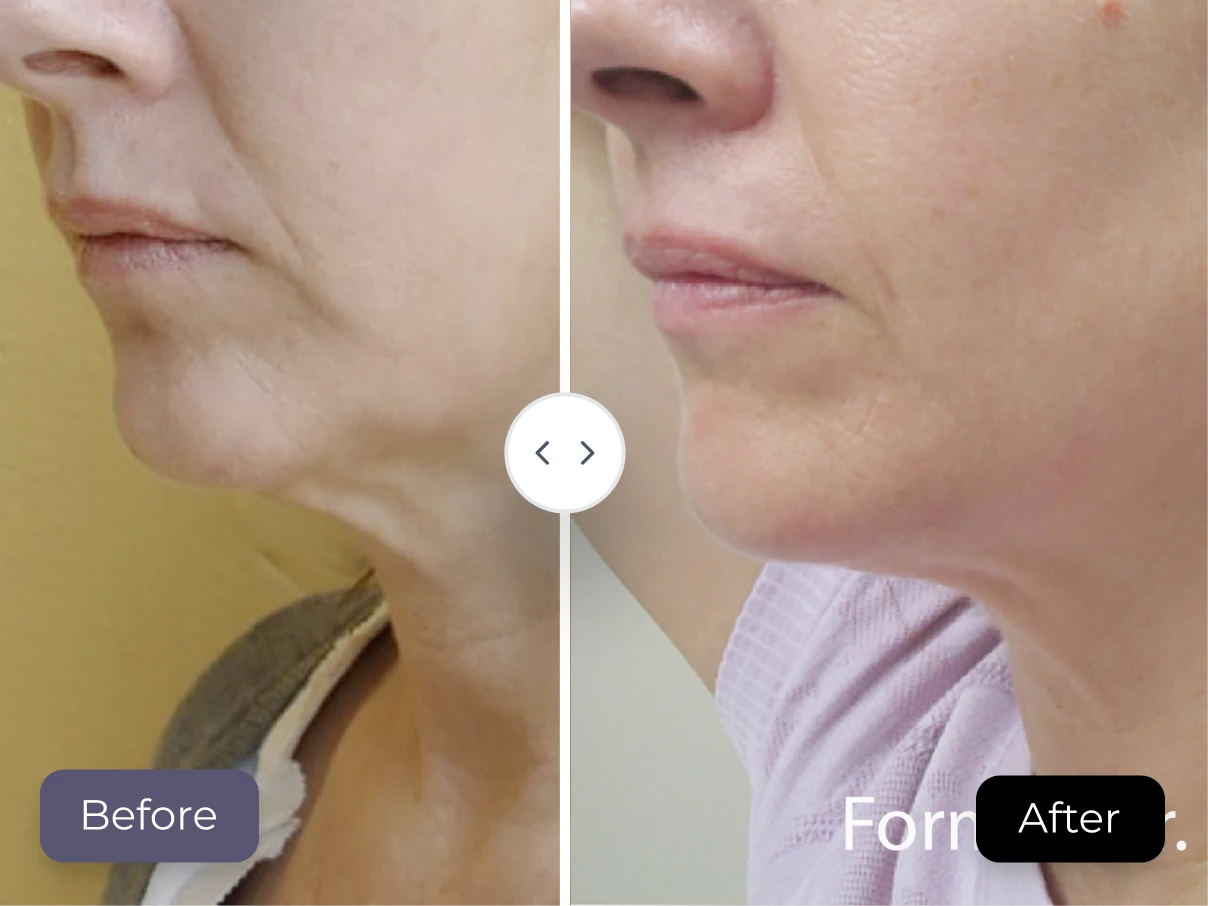
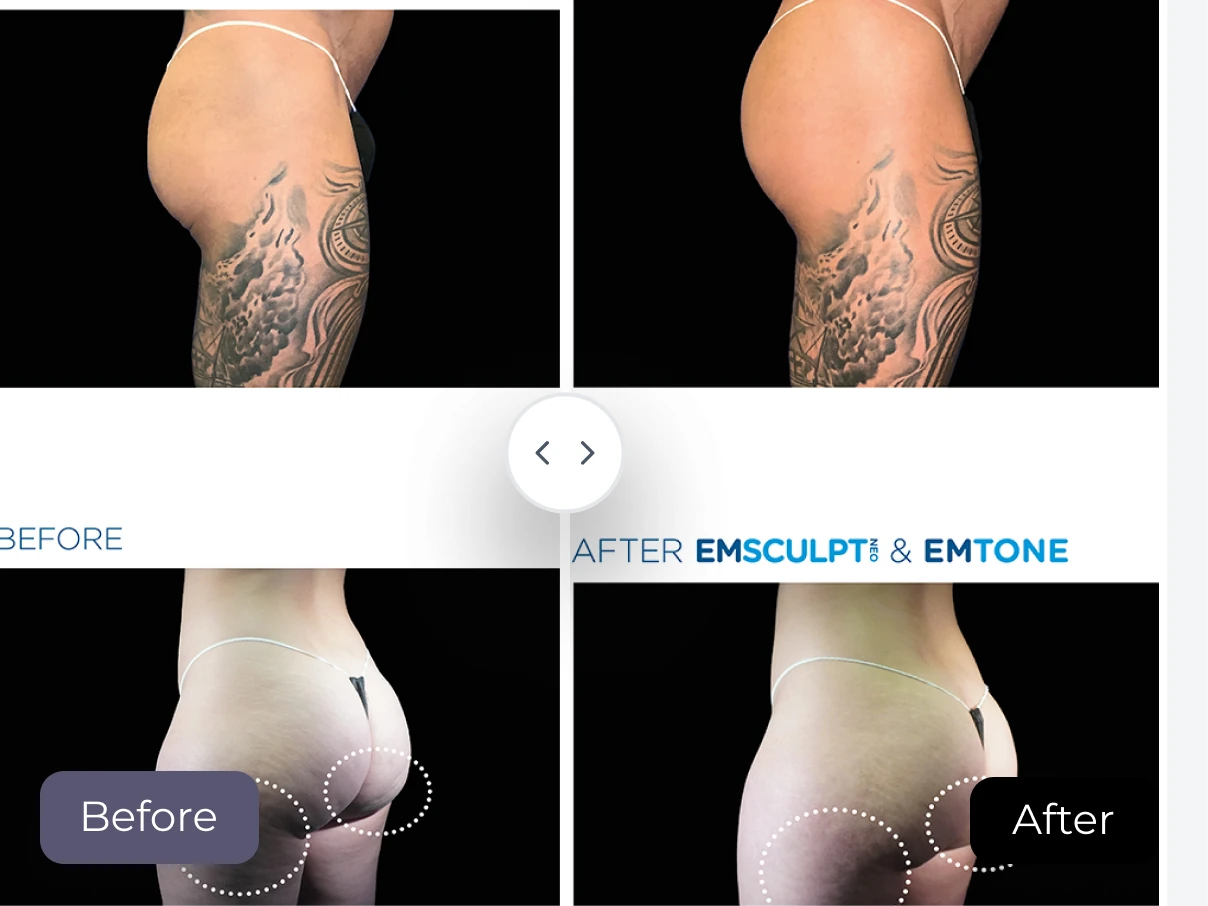
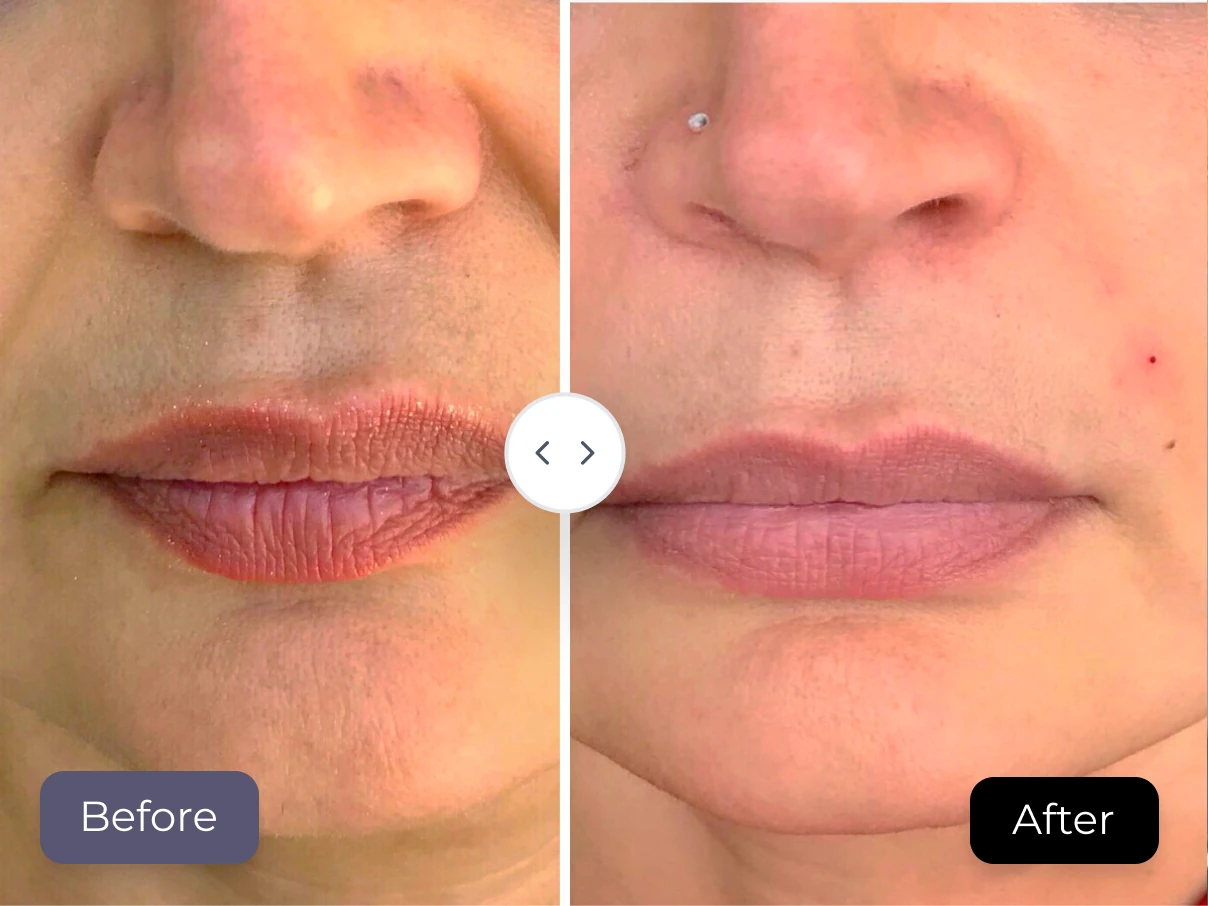
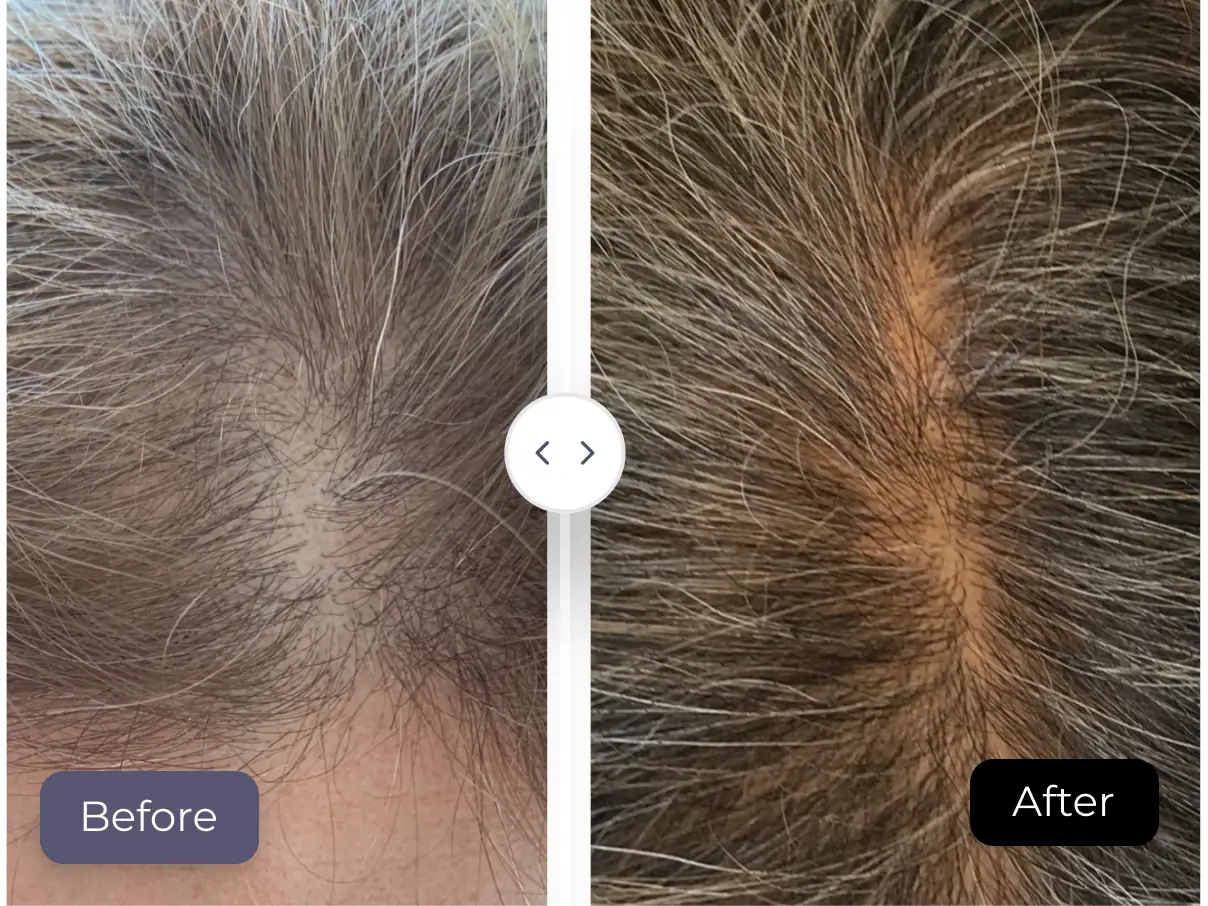
In clinical settings, before-and-after comparisons are often used to track gradual improvement in skin texture and contour over a series of treatments.

Results vary based on individual skin structure, treatment consistency, and baseline cellulite severity. A consultation is required to determine appropriate treatment options.
Types and Severity of Cellulite
Cellulite can appear at different levels of severity, which affects what kind of approach may be most appropriate.
Mild cellulite may only be visible when the skin is pinched or compressed. Natural methods and less intensive treatments may help improve overall skin texture.
Moderate cellulite is visible while standing and may appear as dimpling or uneven texture on the thighs, buttocks, or hips. Professional treatments are often considered at this stage because the structural changes are more noticeable.
Severe cellulite may appear as deeper depressions, visible dimpling at rest, or more irregular skin texture. These cases often require a more targeted clinical approach, and results may still be improvement-based rather than complete removal.
Understanding severity helps set realistic expectations. The goal is usually smoother-looking skin and reduced dimpling, not total elimination.
How to Choose the Right Treatment for Your Cellulite
Not all cellulite presents in the same way, and treatment selection depends on individual characteristics rather than a single standard approach.
Severity plays an important role in decision-making. Mild cellulite may respond to less intensive treatments, while more visible or deeper dimpling often requires approaches that target underlying tissue more directly. Skin type and structure also influence outcomes. Thinner skin or reduced elasticity can make cellulite more noticeable, which may affect both treatment choice and expected improvement.
Practical considerations such as budget and time commitment are also relevant. Some treatments involve a series of sessions and ongoing maintenance, so understanding the long-term plan is important before starting. Because of these variables, choosing the right clinic matters. Proper assessment, appropriate technology, and provider experience all contribute to safer and more consistent outcomes.
A consultation is typically the most reliable way to determine suitability. It allows for evaluation of skin condition, cellulite pattern, and realistic expectations. From there, a personalized treatment plan can be developed, as no single method is effective for every individual.

Why choose Celebrity Laser and Skincare in North Vancouver?
Treatment outcomes depend not only on the method used, but also on the experience of the provider and the accuracy of the initial assessment. At Celebrity Laser & Skin Care in North Vancouver, treatments are performed by trained providers with experience in cellulite and body contouring approaches, supporting consistent and structured care.
The clinic uses RF-based technologies, including VelaShape II, as part of its treatment options for addressing cellulite-related concerns. These approaches are selected based on individual skin characteristics, rather than a fixed protocol.
Treatment plans are developed through a structured assessment process, allowing adjustments based on response and progression. Care is delivered within a professional clinical environment with established safety protocols.
Booking a consultation for Cellulite Treatment in North Vancouver can help determine which approach is most appropriate based on your skin condition, cellulite severity, and treatment goals.
How Different Lifestyles Can Affect Cellulite Results
Results and maintenance can vary depending on daily habits, skin characteristics, and baseline cellulite severity. Understanding how these factors influence outcomes helps guide more realistic expectations and treatment planning.
Active Individuals
Regular exercise supports overall body composition and muscle tone, which can reduce the contrast between underlying fat and the skin surface. Strength training in particular may improve the appearance of cellulite by creating a firmer structural base.
However, even highly active individuals may still experience cellulite. This is because exercise does not change the fibrous connective bands responsible for dimpling. In these cases, physical activity supports overall results but may need to be combined with targeted treatments for more visible improvement.
Individuals in Warmer Climates
Heat and humidity can influence how cellulite appears on a day-to-day basis. Increased temperatures may lead to temporary fluid retention or vascular changes, which can make dimpling appear more pronounced.
Prolonged sun exposure can also affect skin quality over time by reducing collagen support, which may make surface irregularities more visible. Consistent sun protection, hydration, and skin-supportive care can help maintain more stable results.

Sensitive or Thinner Skin Types
Individuals with thinner or more reactive skin may notice cellulite more easily because there is less dermal thickness to mask underlying structural changes. This can make even mild cellulite appear more pronounced.
Treatment approaches in these cases often focus on gradual improvement, with an emphasis on collagen support and skin quality rather than aggressive intervention. A slower, controlled progression helps minimize irritation while improving overall texture.
Advanced Cellulite Concerns
More visible or deeper cellulite typically reflects stronger fibrous band tension and greater structural involvement beneath the skin. These cases are less likely to respond to surface-level or lifestyle-based approaches alone.
A structured treatment plan is often required, which may include multiple sessions or a combination of technologies designed to address both skin quality and underlying tissue. Improvement is still achievable, but expectations should focus on reduction and smoothing rather than complete removal.
Understanding how these factors interact allows for a more individualized approach, where treatment and maintenance strategies are adjusted based on how cellulite presents in each person.
Final Answer: What’s the best way to get rid of cellulite?
Cellulite cannot be completely removed, but it can be reduced and improved in appearance. The most effective approach depends on combining realistic expectations with the right methods.
Natural strategies such as exercise, nutrition, and hydration play a supportive role by improving overall skin condition and body composition. However, their impact on the deeper structure of cellulite is limited. Professional treatments, on the other hand, are designed to target underlying tissue more directly, which may lead to more noticeable and sustained improvements.
The most appropriate approach varies based on individual factors such as skin structure, severity, and treatment goals. A professional assessment helps identify the most suitable options and supports a personalized treatment plan.