At a Glance:
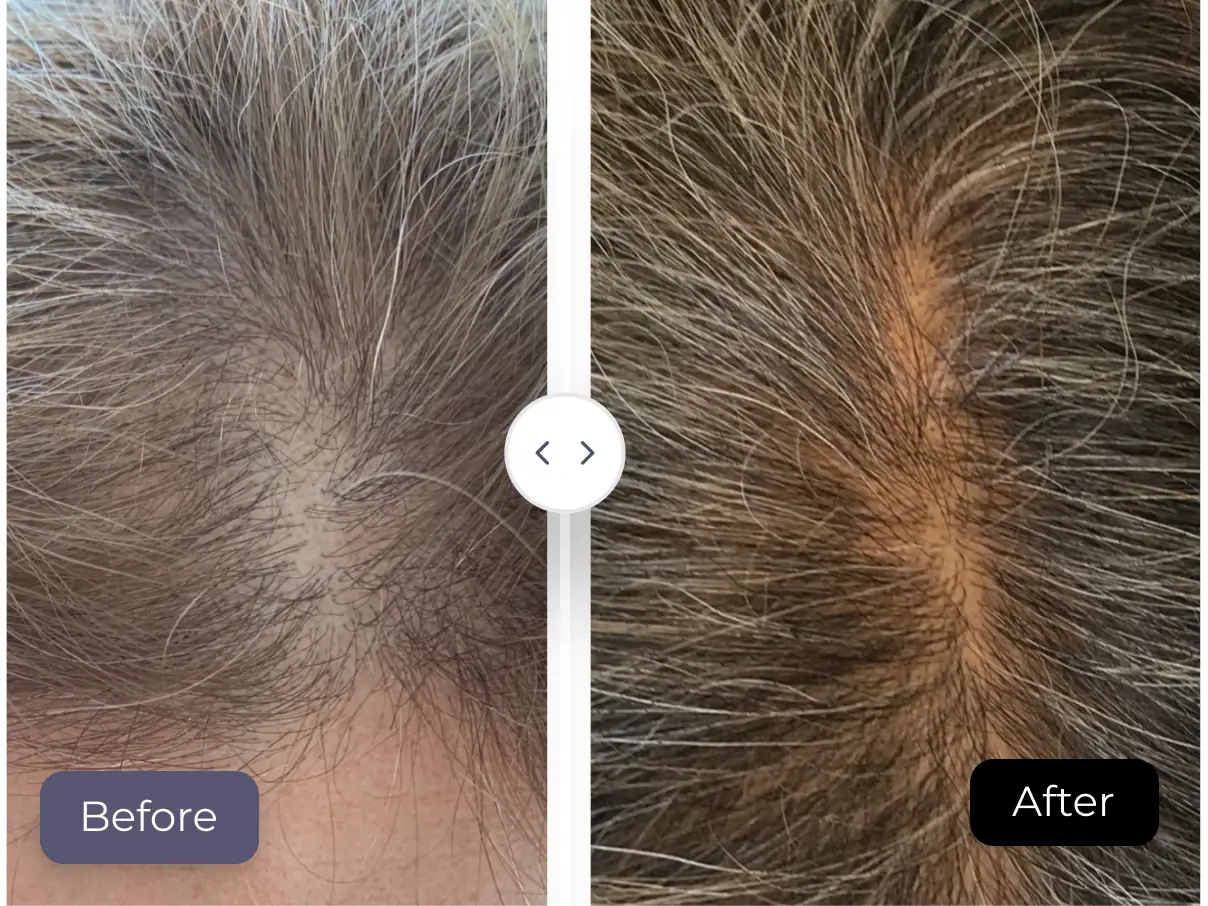
Hair growth treatments require time and consistency. Results depend on the underlying cause of thinning, whether genetic, hormonal, stress-related, or nutritional. Some treatments slow further loss, while others help stimulate existing follicles. Most evidence-based options require at least 3–6 months before visible improvement appears.
There is no universal solution. Topical medications, oral prescriptions, procedural therapies such as PRP or microneedling, and lifestyle adjustments each play different roles. The most effective approach is guided by proper diagnosis and, in many cases, a combination treatment plan developed through professional consultation.
Hair growth treatments take time. Visible improvement does not happen overnight, and results vary depending on the underlying cause of thinning. Hair follicles respond gradually, and most evidence-based treatments require consistent use over several months before measurable change appears.
It is important to understand that there is no instant regrowth solution. Some treatments are designed to slow further loss, while others aim to stimulate dormant follicles or prolong the growth phase of existing hairs. The effectiveness of any hair growth treatment depends on factors such as genetics, hormone levels, nutritional status, and scalp health.
This guide outlines the full spectrum of available options, including:
- Topical treatments such as Minoxidil and medicated shampoos
- Oral medications that address hormonal contributors
- Procedural treatments like microneedling, PRP therapy, and low-level laser therapy
- Lifestyle and nutritional approaches that support scalp health
- Hair transplantation for advanced or permanent follicle loss
Understanding what each approach can realistically achieve helps set appropriate expectations. The right strategy depends not only on the stage of hair thinning but also on identifying and addressing the root cause.
Understanding Hair Growth
Hair growth is a continuous biological process influenced by genetics, hormones, diet, and overall scalp health. Before choosing a treatment, it’s helpful to understand how the hair growth cycle works and what factors might be impacting it.
The following sections explain how the hair follicle operates, why visible shedding occurs, and how different causes of hair thinning require different treatment approaches.

The Hair Growth Cycle
Each strand of hair grows from a follicle embedded in the scalp. The follicle is a living structure supplied by blood vessels and influenced by hormones and growth factors.
Your hair follicles move through three main phases:
- Anagen (Growth Phase): This is the active growing stage, lasting 2–6 years. The longer this phase, the longer your hair can grow.
- Catagen (Transition Phase): A brief 2–3 week stage when hair growth slows, and the follicle begins to shrink.
- Telogen (Resting Phase): Hair stops growing and eventually sheds, making room for new hair to begin the cycle again.
Daily shedding of 50 to 100 hairs is normal and indicates a natural transition between hair growth cycles. Concern arises when follicles do not re-enter the anagen phase.
It’s crucial to differentiate between temporary shedding, like telogen effluvium, where follicles are delayed but not destroyed, and genetic hair loss, where follicles shrink and produce thinner hair.
Treatment is most effective during the anagen phase, but hair growth cycles take months, so visible improvements may not be seen for several months after starting treatment.
Cycle disruption can occur due to hormonal changes, stress, nutritional deficiencies, inflammation, or genetic predisposition. Identifying the disruption pattern is essential before selecting a treatment plan.

Why does hair thinning or hair loss happen?
Hair thinning occurs when the growth cycle is shortened, follicles shrink, or shedding exceeds regrowth. The underlying cause determines which hair growth treatment is appropriate.
Common contributors include:
- Genetic predisposition: Family history strongly influences hair growth patterns and your risk of conditions like male or female pattern baldness.
- Hormonal shifts: Changes involving thyroid hormones, estrogen balance, or androgen levels can alter follicle behaviour.
- PCOS (briefly): In some women, elevated androgen activity may contribute to scalp thinning.
- Nutritional deficiencies: Low levels of key nutrients, like biotin, vitamin D, or iron, can weaken hair and slow regrowth.
- Stress (Telogen Effluvium): Significant physical or emotional stress may push a higher percentage of follicles into the resting phase, leading to noticeable shedding months later.
- Medications and systemic conditions: Certain drugs or health disorders can interfere with normal hair cycling.
- Scalp Health: Conditions like buildup, poor circulation, or inflammation can reduce follicle function and hair quality.
Because each cause affects the hair cycle differently, treatment selection should be aligned with the specific driver of thinning rather than applied universally.
Hair Growth Treatments: A Quick Comparison
Choosing the right treatment depends on your hair loss stage, personal goals, and how aggressive you want to be with your approach. Below is a side-by-side look at some of the most commonly used hair growth treatments, including their effectiveness, timeline, ideal use cases, and possible side effects.
This overview will help you narrow down the options before diving deeper into each.
Hair Growth Treatments Comparison | |||||
| Treatment | Effectiveness | Duration | Best for | Side Effects | Evidence Level |
| Minoxidil | Stimulates Hair Regrowth | 3-6 Months to See Results | Mild to Moderate Loss | Scalp Irritation, Dryness | Strong Clinical Evidence |
| Microneedling | Enhances Follicle Stimulation | 1-3 Months for Visible Gains | Early-Stage Hair Loss | Temporary Redness, Swelling | Moderate Evidence |
| PRP Therapy | Activates Growth via Platelet Injections | 3-6 Months for Results | Moderate Thinning | Mild Tenderness, Scalp Sensitivity | Growing Clinical Evidence |
| Finasteride | Blocks DHT, Slows Further Loss | 3–6 Months, Fuller Results in 12 | Male-Pattern Baldness | Low Risk of Sexual Side Effects | Strong Clinical Evidence |
| Hair Transplant | Permanent Solution with High Density | 6-12 Months for Full Growth | Advanced Hair Loss | Temporary Swelling, Scarring | Strong Surgical Evidence |
| Low-Level Laser Therapy (LLLT) | Supports Cellular Activity and Follicle Metabolism | 3–6 Months with Consistent Use | Early Thinning, Maintenance | Minimal; Occasional Mild Scalp Warmth | Moderate Evidence |
| Nutritional Supplementation | Supports Regrowth if Deficiency Exists | 3–6 Months if Deficiency Corrected | Iron, Vitamin D, or Protein Deficiency-Related Shedding | Over-Supplementation Risks if Unnecessary | Conditional Evidence |
Topical Treatments for Hair Growth
Topical solutions are among the most accessible and widely used treatments for hair thinning—especially during the early stages. These are applied directly to the scalp to improve circulation, stimulate follicles, and support overall scalp health.
Minoxidil
Minoxidil is the most recognized and Health Canada–approved topical treatment for hair loss.
It helps prolong the anagen (growth) phase and improve follicle activity over time. While Minoxidil may also increase local blood flow, its main benefit is thought to come from how it supports follicle signaling and keeps existing follicles active for longer.
Minoxidil is available in 2% and 5% concentrations. The 5% formulation is generally more effective and often preferred for men, while women may use either concentration depending on tolerance and medical guidance. Foam and liquid forms are available.
It tends to work best for mild to moderate pattern hair thinning, particularly when follicles are still active but producing thinner strands.
Shedding Phase
Some users experience temporary increased shedding during the first few weeks of treatment. This occurs as weaker hairs are pushed out to make way for new growth. Although concerning, this phase is typically temporary.
Time to Results
Visible improvement usually appears after 3 to 6 months of consistent application, with more noticeable thickening after 6 to 12 months. Stopping treatment typically leads to a gradual loss of any gains within several months.
Continuous Use Requirement
Minoxidil must be applied consistently, often twice daily. Missed applications reduce effectiveness. Long-term commitment is necessary to maintain results.
Side Effects
Possible side effects include scalp irritation, dryness, itching, and unwanted facial hair growth in rare cases. Systemic effects are uncommon when used as directed.
Compliance is a key factor. Minoxidil is effective when used consistently over time, but irregular use limits results.

Ketoconazole Shampoo
Typically used for dandruff, ketoconazole may also lower DHT levels on the scalp, reducing inflammation and supporting follicle health.
Ketoconazole has anti-inflammatory properties and may reduce scalp inflammation that can interfere with follicle function. Some research suggests it may have mild DHT-blocking effects at the scalp level. However, it is not considered a primary hormonal treatment.
It is typically used 2–3 times per week, depending on concentration and scalp condition. Overuse may lead to dryness.
Ketoconazole shampoos are generally used as an adjunct therapy rather than a standalone solution. They may support other treatments, such as Minoxidil or PRP therapy, by improving the scalp environment.
Common ketoconazole shampoo options include:
- Nizoral 2% (prescription strength)
- Nizoral 1% (over-the-counter version)
- Other generic 2% ketoconazole formulations available by prescription
While helpful for scalp inflammation and dandruff-related shedding, ketoconazole shampoo alone does not reverse genetic hair loss. It is most effective when integrated into a broader treatment plan.
Caffeine-Based Products
Caffeine-based hair products are marketed as scalp stimulants that may support follicle activity. They are typically formulated as shampoos, serums, or topical tonics.
Mechanism theory
Laboratory studies suggest that caffeine may help stimulate hair follicles by increasing cellular metabolism and counteracting some of the suppressive effects of DHT in vitro. It may also improve microcirculation in the scalp when applied topically.
Evidence strength
Clinical evidence in humans remains limited compared to treatments such as Minoxidil or finasteride. Some small studies show potential benefits in improving hair shaft thickness or reducing shedding, but large-scale, long-term trials are lacking.
Limitations
Caffeine products are not considered primary treatments for androgenetic alopecia. Their effect appears supportive rather than transformative. They are unlikely to reverse advanced hair loss or reactivate significantly miniaturized follicles.
Common caffeine-based products include:
- Alpecin Caffeine Shampoo
- Plantur 39 Caffeine Shampoo (often marketed for women)
- The Inkey List Caffeine Stimulating Scalp Treatment
These products may improve scalp vitality and complement other therapies, but realistic expectations are essential. Caffeine-based formulations are best viewed as supportive additions within a broader hair growth treatment plan rather than standalone solutions.

Natural Oils and Topicals
Options like rosemary, peppermint, and other botanical oils are commonly used to support scalp health. While they are not substitutes for medical treatments, some may improve scalp condition and hair texture when used appropriately.
Rosemary Oil
Small clinical studies suggest rosemary oil may improve circulation and potentially support hair density in mild androgenetic alopecia when used consistently over several months. Its mechanism is thought to involve improved blood flow and possible anti-inflammatory effects. However, evidence remains limited compared to established therapies like Minoxidil.
Castor Oil
Castor oil is often promoted online as a hair growth solution. While it can moisturize the scalp and reduce breakage by coating the hair shaft, there is no strong clinical evidence that it stimulates new follicle growth or reverses pattern hair loss.
Essential Oil Risks
Concentrated essential oils can cause irritation, contact dermatitis, or allergic reactions if applied directly to the scalp without dilution. The areola and scalp are sensitive areas, and patch testing is important before regular use.
Where to Find and How to Use
Rosemary oil and other natural oils are available at pharmacies, health stores, and reputable online retailers. They should be diluted in a carrier oil (such as jojoba or coconut oil) before application. Typically, a few drops are massaged gently into the scalp and left on for 20–30 minutes before washing. Use is generally limited to a few times per week to reduce the risk of irritation.
Note on effectiveness: Topical treatments tend to work best for mild to moderate hair loss. They aren’t permanent fixes, but when used consistently, and especially alongside non-surgical hair restoration options, they can significantly slow shedding and support new growth.

Oral Medications: Finasteride and Dutasteride
Oral medications are another common treatment path, particularly for individuals experiencing male-pattern hair loss. These treatments work internally to slow hair thinning and may also promote regrowth over time.
The most widely used options are Finasteride and Dutasteride, both of which reduce DHT (dihydrotestosterone), the hormone responsible for shrinking hair follicles.
Finasteride
Finasteride is an oral prescription medication used to manage androgen-related hair thinning by lowering levels of dihydrotestosterone (DHT). DHT plays a central role in androgenetic alopecia by gradually shrinking susceptible hair follicles.
Mechanism of Action: Reducing DHT Activity
Finasteride works by inhibiting the enzyme 5-alpha-reductase, which converts testosterone into DHT. By lowering DHT levels in the scalp, it helps slow follicle miniaturization and may support stabilization of hair density over time. It does not create new follicles but may preserve existing ones.
Regulatory Status in Canada
Finasteride is approved by Health Canada for the treatment of male-pattern hair loss. It is prescribed under medical supervision, and candidacy is determined based on age, medical history, and reproductive considerations. It is not indicated for use during pregnancy due to potential fetal risk.
Potential Side Effects and Ongoing Discussion
Most individuals tolerate finasteride without significant issues. Reported side effects can include changes in libido, erectile function, or mood in a small percentage of users. There has been ongoing discussion in the medical literature regarding persistent sexual side effects after discontinuation in rare cases. Informed decision-making and physician guidance are important before initiating therapy.
Long-Term Use Considerations
Continued use is required to maintain results. If the medication is stopped, DHT levels typically return to baseline and hair thinning may resume over time.
Finasteride is most appropriate when hair thinning is clearly linked to androgen sensitivity, and treatment decisions should always follow professional evaluation.

Dutasteride
Dutasteride is an oral medication that reduces dihydrotestosterone (DHT) levels by inhibiting the 5-alpha-reductase enzyme. Like finasteride, it is used to address androgen-related hair thinning.
Mechanism and Degree of DHT Suppression
Dutasteride inhibits both type I and type II forms of the 5-alpha-reductase enzyme, whereas finasteride primarily inhibits type II. Because of this dual action, dutasteride typically produces stronger overall DHT suppression. This may result in greater stabilization or thickening in some individuals with androgenetic alopecia.
Comparison to Finasteride
Both medications aim to reduce DHT-related follicle miniaturization. Dutasteride may offer stronger DHT suppression, but finasteride has a longer track record specifically for male-pattern hair loss. Treatment choice depends on individual risk tolerance, response to therapy, and physician recommendation.
Side Effect Profile
Potential side effects are similar to those of finasteride and may include sexual dysfunction or mood-related changes in a small percentage of users. Because dutasteride suppresses DHT more effectively, some clinicians consider its side-effect profile comparable or slightly higher. Careful evaluation and informed consent are important before starting therapy.
As with all systemic medications, ongoing medical supervision is recommended to monitor response and tolerance.
Procedural Treatments for Hair Growth
If you’re dealing with moderate to advanced hair thinning, procedural treatments can offer more targeted results. These therapies focus on revitalizing the scalp and stimulating follicles at the source—often delivering faster or more visible outcomes than topicals or supplements alone.
Popular non-surgical hair restoration options include microneedling, PRP therapy, and low-level laser therapy (LLLT). These methods are often used in combination with other treatments to maximize effectiveness.

Microneedling
Microneedling involves using fine, controlled needles to create micro-injuries in the scalp. These microchannels stimulate collagen production and activate localized healing responses, which may improve the scalp environment and support follicle function.
It also enhances the absorption of topical treatments like Minoxidil, increasing their effectiveness.
You can learn more about microneedling and hair growth through our dedicated breakdown of how the procedure works and what results to expect.
Collagen Stimulation and Growth Factor Activation
The micro-injury process triggers the release of natural growth factors and improves blood flow to the treated area. This may help prolong the anagen (growth) phase in active follicles and improve hair shaft thickness over time.
Combination Therapy
Microneedling is often combined with topical Minoxidil or PRP therapy. When paired appropriately, it may enhance the penetration of active ingredients and improve the overall response.
Cost Considerations
Costs vary depending on provider, technology used, and number of sessions required. Because microneedling is usually part of a broader treatment plan, the overall expense depends on whether it is combined with other therapies.

Platelet-Rich Plasma (PRP) Therapy
PRP therapy uses a concentrated portion of your own blood to support follicle stimulation. After drawing a small sample, it is processed in a centrifuge to separate platelet-rich plasma from other components.
These platelets release growth factors that improve circulation and activate dormant follicles, making PRP especially effective for early-stage thinning.
Curious if this treatment is right for you? Dive deeper into the benefits of PRP therapy for hair loss to learn more.
How PRP Stimulates Follicles
Platelets contain growth factors that support tissue repair and cellular signalling. When injected into the scalp, PRP may enhance follicle metabolism, increase blood supply, and encourage follicles to remain in the growth phase longer.
Treatment Protocol
PRP therapy typically involves 3-5 sessions spaced several weeks apart, followed by maintenance treatments as needed. The exact protocol depends on severity and response.
Clinical Evidence
Research shows promising results for androgenetic alopecia and early thinning, particularly when PRP is used consistently and in appropriate candidates. Results vary based on follicle viability and underlying cause.
Best Candidates
PRP is generally most suitable for individuals with early to moderate thinning, where follicles are still present but weakened. It is less effective in areas where follicles have completely miniaturized.
Cost Considerations
PRP is a procedural treatment and may involve a higher upfront cost compared to topical therapies. However, it is non-surgical and requires minimal downtime.
At Celebrity Laser & Skin Care in North Vancouver, PRP therapy is offered following a professional consultation and scalp assessment. Treatment plans are personalized to align with your hair loss pattern, medical history, and long-term goals.

Laser Hair Growth Therapy (Low-Level Laser Therapy)
Low-Level Laser Therapy (LLLT) is a non-invasive hair growth treatment that uses red or near-infrared light to stimulate follicle activity. It is also referred to as photobiomodulation. Unlike hair removal lasers, LLLT does not damage the follicle. Instead, it is designed to support cellular metabolism within weakened but still active follicles.
How it works
LLLT delivers light energy to the scalp at controlled wavelengths. This light is absorbed by cells within the follicle and may help improve cellular energy production, reduce oxidative stress, and support a longer anagen (growth) phase. The goal is to improve the function of follicles that are still viable but underperforming.
Cap devices vs in-clinic treatment
LLLT may be delivered through at-home cap or helmet devices or through in-clinic systems. Home devices offer convenience but require consistent long-term use. In-clinic treatments provide a more structured schedule and professional oversight. The best option depends on the severity of thinning, treatment goals, and whether LLLT is being used alone or as part of a broader treatment plan.
Suitable candidates
LLLT is generally best suited for individuals with early-stage thinning or mild to moderate androgenetic alopecia, where follicles are still present. It is often used as a supportive treatment alongside therapies such as Minoxidil, PRP, or microneedling rather than as a standalone solution for more advanced hair loss.
Evidence level
Clinical evidence for LLLT is moderate. Some studies show improvement in hair density and thickness with consistent use, particularly in androgenetic alopecia. However, results are usually gradual and vary between individuals.
Safety and pain level
LLLT is generally well tolerated and painless. It does not require downtime, and side effects are minimal when the device is used appropriately. Some individuals may notice mild warmth on the scalp, but significant discomfort is not expected.
Number of sessions and timeline
LLLT requires consistency. Whether used at home or in a clinic, most protocols involve repeated sessions over several months. Visible improvement typically takes at least 3 to 6 months, and ongoing use is often needed to maintain results.
Cost considerations
Costs vary depending on whether treatment is delivered through a purchased home device or in-clinic sessions. Because LLLT often works best as part of a combination plan, overall cost should be considered in the context of broader long-term treatment goals.

Hair Transplantation: Procedure, Recovery, and Results
For individuals with advanced hair loss, a hair transplant can offer a long-lasting, natural-looking solution. Unlike other treatments that slow or stimulate growth, transplantation physically moves healthy hair follicles to areas where regrowth is no longer occurring.
Candidacy Criteria
Good candidates generally:
- Have stable androgenetic alopecia
- Possess adequate donor hair density
- Understand realistic density expectations
- Do not have active inflammatory scalp conditions
A consultation is required to evaluate scalp health, donor supply, and long-term hair loss progression before proceeding.
Procedure Overview
The two most common methods are:
FUE (Follicular Unit Extraction)
FUE involves removing individual follicular units from the donor area and implanting them into thinning zones.
In this technique, each follicle is extracted individually using a small punch device and then carefully implanted into the recipient areas. Because grafts are removed one by one, FUE typically leaves very small, dot-like scars that are difficult to detect once healed. The overall cost depends on the number of grafts required, with larger sessions increasing the total investment.
FUT (Follicular Unit Transplantation)
FUT, often referred to as the strip method, involves removing a narrow strip of scalp from the donor region.
The removed strip is dissected under magnification into individual follicular units before implantation into thinning areas. FUT can yield a higher number of grafts in a single session and may be cost-effective for treating larger areas of hair loss. However, it leaves a linear scar in the donor area. It may involve a slightly longer recovery period compared to FUE.
The choice between FUE and FUT depends on donor density, hairstyle preferences, long-term planning, and surgical assessment.
Recovery
Recovery time varies slightly depending on whether you choose FUE or FUT.
Temporary shedding of transplanted and nearby hairs, often called shock loss, may occur within the first month. This is a normal part of the healing process. Small scabs typically form around graft sites and fall away within 7–10 days.
Mild swelling or tenderness can occur during the early recovery phase. New hair growth generally begins around three to four months after surgery, with gradual thickening continuing over the following months.

Expected Results
Most patients begin to see visible improvements in 6–12 months, with full results developing over the course of a year. Transplanted hair is typically resistant to DHT, meaning it won’t fall out like the original thinning hair.
However, final density may not match original youthful hair thickness, and some individuals may require additional sessions to optimize coverage. Realistic expectations and individualized surgical planning are essential for satisfactory outcomes.
Lifestyle and Home Remedies for Hair Growth
In addition to medical treatments, your daily habits play a key role in supporting healthy hair growth. While these methods won’t reverse hair loss on their own, they can complement clinical treatments and promote a healthier scalp environment over time.
Best Vitamin for Hair Growth
There is no single “best vitamin for hair growth” that works universally. Supplementation is most effective when a documented nutritional deficiency is contributing to hair thinning.
Biotin
Biotin plays a role in keratin production, but true biotin deficiency is uncommon. Supplementation may help when deficiency is confirmed, yet routine high-dose use in individuals with normal levels does not typically accelerate hair growth.
Iron
Iron deficiency is a well-recognized cause of diffuse shedding, particularly in menstruating individuals. Low ferritin levels can disrupt the hair growth cycle. Iron supplementation may reduce shedding when deficiency is identified through blood testing.
Vitamin D
Vitamin D supports follicle cycling and immune regulation. Low levels have been associated with certain types of hair thinning. Supplementation may be helpful when blood levels are below recommended ranges.
Zinc
Zinc contributes to cellular repair and immune function. Deficiency can lead to hair fragility and shedding. Correction may support recovery when levels are low.
Collagen and B-Complex Vitamins
Collagen supplements may support hair structure indirectly by providing amino acids. B-complex vitamins assist metabolic function, but benefits are most evident in cases of deficiency rather than routine supplementation.

Protein Intake
Hair is primarily composed of keratin, a protein. Insufficient dietary protein can impair hair production. Ensuring adequate protein intake through balanced nutrition supports overall follicle health.
When Supplementation Helps
Supplements are most useful when laboratory testing confirms deficiency. In such cases, restoring normal levels may reduce shedding and support regrowth over several months.
Over-Supplementation Risks
Excessive intake of certain vitamins, including biotin and fat-soluble vitamins, can cause unintended health effects and may interfere with laboratory testing. Supplementation should be guided by healthcare advice.
Blood Testing Importance
Before starting high-dose supplements, blood testing for iron, vitamin D, thyroid function, or other suspected deficiencies can help determine whether targeted supplementation is appropriate.
Vitamins can support hair growth when a deficiency exists. They do not reverse androgenetic alopecia in the absence of a nutritional imbalance.
Scalp Massage
Scalp massage is a low-risk supportive strategy that may improve circulation and reduce tension in the scalp.
Potential Benefits
A gentle massage may increase local blood flow and support relaxation. It may also help reduce inflammation associated with mild scalp conditions such as seborrheic dermatitis when combined with appropriate medical treatment. While evidence is limited, some small studies suggest consistent massage may modestly improve hair thickness over time.
How to Perform a Scalp Massage (Step-by-Step)
- Begin with clean, dry or slightly damp hair.
- Use the pads of your fingers, not your nails.
- Apply gentle circular motions across the entire scalp.
- Maintain consistent pressure without causing discomfort.
- Continue for approximately 5–10 minutes.
- Perform daily or several times per week for consistency.
Optional: A small amount of diluted oil (such as rosemary in a carrier oil) may be used if tolerated.
Scalp massage alone is unlikely to reverse genetic hair thinning. Still, it may support overall scalp health and complement other hair growth treatments.

DIY Hair Masks
DIY hair masks are often promoted as natural solutions for hair growth. While some ingredients may improve hair texture and scalp hydration, clinical evidence supporting significant regrowth is limited.
Evidence vs Myth
Most homemade masks improve shine, softness, and breakage resistance rather than stimulating new follicle growth. They do not reverse androgenetic alopecia or hormonal thinning. Their benefit lies primarily in improving hair shaft condition and supporting scalp comfort.
Safe Ingredients
Commonly used ingredients with reasonable safety profiles include:
- Olive oil (moisturizing)
- Coconut oil (reduces protein loss in hair strands)
- Avocado (contains fatty acids and vitamins)
- Plain yogurt (mild exfoliation and hydration)
- Diluted rosemary oil (when properly diluted in a carrier oil)
Irritation Risk
Some ingredients, especially undiluted essential oils, lemon juice, or highly acidic substances, can irritate the scalp and worsen inflammation. Patch testing on a small skin area is recommended before applying any mixture widely.
DIY Hair Masks to Try
DIY masks may improve hair softness and scalp hydration, but they should be viewed as supportive care rather than primary hair growth treatment.
Here are three DIY hair masks to try at home:
- Hydrating Olive Oil Mask: Mix 1–2 tablespoons of olive oil. Warm slightly (not hot), massage into scalp and hair, leave for 20–30 minutes, then wash with gentle shampoo.
- Avocado and Yogurt Mask: Mash half an avocado and mix with 2 tablespoons of plain yogurt. Apply to scalp and hair, leave for 20 minutes, rinse thoroughly.
- Rosemary Oil Blend: Add 3–5 drops of rosemary essential oil to 1 tablespoon of carrier oil (such as jojoba or coconut oil). Massage gently into scalp, leave for 15–30 minutes, then shampoo.

Diet Changes
Diet plays a foundational role in hair health. Hair follicles are metabolically active structures and require adequate nutrients to function properly.
Protein Intake
Since hair is composed primarily of keratin, insufficient protein intake can lead to shedding and weakened strands. Including adequate protein from sources such as eggs, fish, legumes, poultry, and dairy supports follicle activity.
Iron-Rich Foods
Leafy greens, red meat, lentils, and fortified cereals can help maintain iron stores, particularly important for individuals prone to deficiency.
Vitamin D and Healthy Fats
Fatty fish, fortified dairy, and safe sun exposure contribute to vitamin D levels, which may influence follicle cycling. Omega-3 fatty acids from fish, flaxseed, or walnuts may support scalp health.
Balanced Nutrition Over Restrictive Dieting
Crash diets or severe caloric restriction can trigger telogen effluvium, a temporary shedding condition. Maintaining steady, balanced nutrition helps stabilize the hair growth cycle.
Dietary adjustments support overall hair health, particularly when deficiencies exist. However, nutritional improvements alone are unlikely to reverse genetically driven hair thinning without additional targeted treatments.
How long do hair growth treatments take to work?
Hair growth treatments require time because they work within the natural hair cycle. Each follicle passes through growth (anagen), transition (catagen), and resting (telogen) phases. Since only follicles in the active growth phase can produce visible improvement, results depend on biological timing rather than treatment intensity.
Most clinically supported treatments require at least 3 months before meaningful changes are visible. In some cases, especially with topical therapies, a short period of increased shedding may occur early in treatment. This reflects cycle adjustment rather than worsening loss.
Hair regrowth is gradual. Consistent, long-term use is necessary to maintain progress, and early discontinuation often reverses gains. Understanding this timeline helps set realistic expectations and supports adherence to an evidence-based plan.

When should you see a hair specialist in North Vancouver?
If hair thinning is progressive, sudden, or accompanied by symptoms such as scalp discomfort, increased shedding, or hormonal changes, professional evaluation is appropriate. Identifying the underlying cause, whether genetic, hormonal, nutritional, inflammatory, or stress-related, is critical before choosing a treatment plan.
At Celebrity Laser & Skin Care in North Vancouver, the consultation process begins with a detailed review of medical history, hair loss pattern, and scalp condition. Scalp assessment helps determine follicle activity and identify possible contributing factors. Based on these findings, treatment plans may include topical support, PRP therapy, microneedling, and modern light-based hair restoration approaches when appropriate.
Because no single treatment works for every type of hair loss, professional guidance helps align treatment with diagnosis rather than guesswork. A structured assessment also improves expectation setting, treatment safety, and long-term management.
Conclusion
Hair growth treatment is not one-size-fits-all. The most appropriate approach depends on the underlying cause, whether genetic, hormonal, nutritional, or stress-related. Some treatments aim to slow progression, while others stimulate active follicles. Understanding the root cause is essential before selecting a strategy.
In many cases, combination therapy provides the most balanced results. Topical, oral, and procedural treatments may work together to support follicle function at multiple levels. Consistency and realistic timelines remain central to long-term improvement.
A professional consultation helps clarify diagnosis, assess scalp health, and determine which evidence-based options are suitable. If you are experiencing hair thinning, you may consider booking a personalized hair assessment at Celebrity Laser & Skin Care in North Vancouver to review your options and develop a tailored plan.